 Birch Bay Siding
 Window Replacement Built for Ferndale's Climate
Ferndale sits close enough to the water and to the lowland fog belt of Whatcom County that its windows take a beating most inland homes never deal with. Salt-laden air off the Strait, long stretches of driving rain, and a moss season that can run from October through May all work on window frames, seals, and glazing in ways that show up slowly and then all at once. If you've noticed a window that's harder to latch than it used to be, glass that fogs between the panes, or a frame that feels soft when you press on it, that's the climate doing its work.
Replacing windows here isn't just a cosmetic upgrade. Done right, it's a chance to fix water management details that were never quite correct to begin with, tighten up a home's energy performance, and put materials in place that are actually suited to a marine climate instead of a generic national spec.
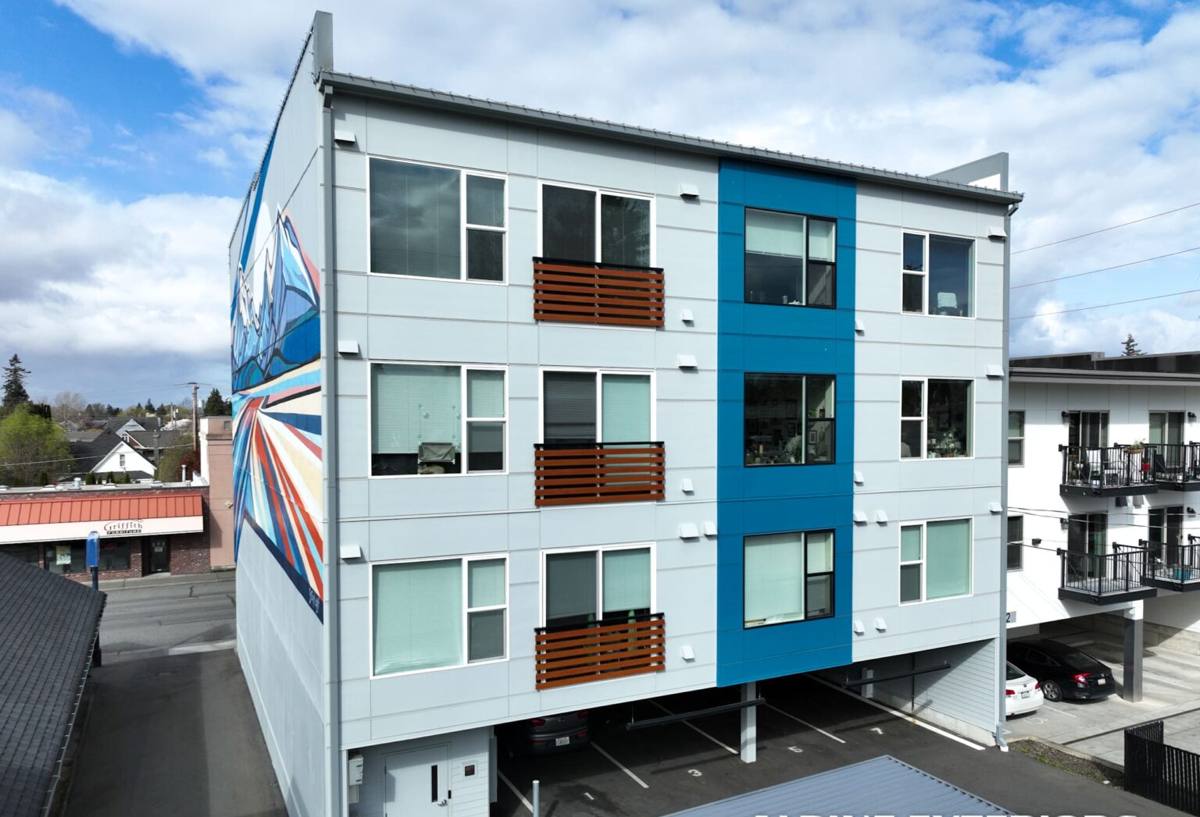
How Whatcom County's Marine Climate Wears Down Windows
Salt Air and Metal Components
Even a few miles inland from Birch Bay and the Strait of Georgia, airborne salt settles on window hardware, screen frames, and any exposed fasteners. Over years it accelerates corrosion on hinges, cranks, and latch mechanisms, and it can pit lower-grade aluminum components. Windows with well-sealed, corrosion-resistant hardware hold up; windows with bargain hardware start sticking or seizing years before the glass itself fails.
Driving Rain and Wind-Driven Moisture
Ferndale gets rain that doesn't just fall straight down — wind off the water pushes it sideways into wall assemblies. Windows that were installed without proper flashing, or that rely on caulk alone to keep water out, are the first place that moisture finds a way in. Once water gets behind a window frame, it doesn't dry out quickly in this climate, and that's when you start seeing soft trim, staining on interior sills, or rot in the framing around the opening.
Moss, Shade, and Trapped Humidity
Many Ferndale properties sit under mature trees or have north-facing walls that stay damp and shaded for much of the year. Moss and algae don't just grow on roofs — they take hold on window sills, tracks, and exterior trim, holding moisture against the wood or vinyl longer than it would otherwise sit. That constant low-grade dampness is what eventually breaks down seals and finishes that would last much longer in a drier climate.
Signs Your Ferndale Home Needs Window Replacement
Not every issue calls for full replacement — sometimes a window just needs new weatherstripping or a re-caulk. But a few signs usually mean the window itself, not just the trim around it, has reached the end of its useful life:
- Fog or condensation trapped between the panes of a double-pane window (a failed seal, not a cleaning problem)
- Frames that feel soft, spongy, or discolored when pressed, especially at the bottom corners
- Windows that are difficult to open, close, or lock, or that no longer sit flush in the frame
- Visible daylight or a noticeable draft around the sash even when the window is latched
- Rising energy bills without a clear cause, especially in rooms with older or single-pane windows
- Paint or finish that keeps failing on the interior sill despite regular upkeep
- Persistent moss, algae, or black staining on the exterior sill or bottom rail that keeps coming back
What a Correct Window Replacement Job Involves
Flashing and Water Management
The window itself is only part of the job. What actually keeps water out over the long run is the flashing and water-resistive barrier detailing around the opening — how the house wrap laps over the flashing, how the sill pan sheds water forward instead of trapping it, and how the corners are sealed. Skipping or rushing this step is the single most common reason a window that looked fine on install day leaks two or three winters later.
Insulation and Air Sealing
Once the old window is out, the rough opening should be insulated with a low-expansion foam or backer rod and sealant designed for windows — not packed tight with fiberglass, which does little to stop air movement, and not overfilled with foam, which can bow the frame and cause the sash to bind.
Proper Fastening and Shimming
A window that's out of square or fastened without shims in the right places will bind, leak, or wear unevenly no matter how good the window itself is. This is a slower, more careful step than most homeowners realize, and it's where installation quality separates a window that performs for decades from one that gives you problems within a few years.
Choosing the Right Window Materials for This Climate
There's no single "best" window material for every home — the right choice depends on your home's style, budget, and how exposed it is to wind and moisture. Here's how the common options generally hold up in a Whatcom County marine climate:
| Material | How it handles this climate | Trade-offs to know |
|---|---|---|
| Vinyl | Won't rot or corrode from salt air; low maintenance | Frame can expand/contract with temperature swings; color and hardware quality vary widely by manufacturer |
| Fiberglass | Very stable dimensionally, resists moisture and corrosion well | Higher upfront cost than vinyl |
| Wood-clad | Good insulating properties, classic look for older homes | Needs consistent upkeep on any exposed wood surfaces; more maintenance-sensitive in a wet climate |
| Aluminum | Strong and slim-profile | Conducts cold and can corrode faster in salt air unless it's a marine-grade or well-finished product |
We tend to steer homeowners in this area toward vinyl or fiberglass for most replacement projects, simply because they hold up with the least maintenance against salt exposure and constant moisture. That's a maintenance and durability judgment, not a claim that other materials can't work — a well-built wood-clad window with a diligent owner can absolutely last, it just asks more of you over time.
Our Window Replacement Process in Ferndale
- On-site assessment. We look at each window's current condition, the flashing and framing behind it, and how exposed that side of the house is to wind and rain.
- Straightforward proposal. You get a clear rundown of what's being replaced, the materials involved, and what the job will cost — no pressure to decide on the spot.
- Careful removal. Old windows come out without unnecessary damage to surrounding trim or siding, and we check what condition the framing is in once it's exposed.
- Correct flashing and sealing. This is the step that determines whether the window performs for twenty years or leaks in three, and we don't shortcut it.
- Installation, insulation, and finish work. The new window is set square and level, properly shimmed and fastened, insulated around the opening, and finished to match the surrounding trim.
- Walkthrough. We show you the finished work and make sure every window opens, closes, and locks the way it should before we consider the job done.
Cost Factors for Window Replacement in Ferndale
Every home is different, so we don't quote pricing without seeing the actual windows and openings involved. In general, the factors that move the price are the same ones that affect quality and longevity:
| Factor | Why it matters |
|---|---|
| Window material and glass package | Fiberglass and upgraded low-E glass cost more upfront than basic vinyl but often perform better long-term |
| Condition of the existing opening | Rotted framing or damaged sheathing found during removal adds repair work before the new window can go in |
| Number and size of windows | Larger openings and specialty shapes require more material and labor time |
| Installation type | A full-frame replacement (removing down to the studs) costs more than an insert replacement into an existing sound frame, but it's often the right call on older or water-damaged openings |
| Access and site conditions | Second-story windows, tight sightlines, or landscaping that limits access can add time to the job |
Why Hire a Crew That Already Works in Ferndale and Birch Bay
Window installation looks straightforward from the outside, but the details that actually keep water out are specific to the climate and the way homes in this area were built. A crew that works regularly around Birch Bay and Ferndale already knows which parts of a wall assembly tend to have hidden moisture damage, how exposed a given elevation is likely to be to wind-driven rain, and what kind of flashing detail actually holds up here versus what's written in a generic manufacturer install guide. That local pattern recognition is what keeps small mistakes — the kind that don't show up until the next wet season — from happening in the first place.
If you're weighing whether it's time to replace a window or a full set of windows, we're glad to take a look and give you a straight answer, including telling you if a repair would genuinely do the job instead. Reach out for a free, no-pressure estimate using the form below.