 Birch Bay Siding
 Siding in Birch Bay Village: Built for the Coast
Birch Bay Village sits close enough to the water that the weather off the bay is part of daily life — and part of what wears down a house. Homes here don't fail the same way houses fail twenty miles inland in Bellingham or out toward Lynden. The combination of salt-laden air, wind-driven rain coming off the Strait of Georgia, and a long gray stretch where nothing dries out completely is a specific set of conditions, and siding either holds up to it or it doesn't.
We work throughout Whatcom County, but a coastal neighborhood like Birch Bay Village gets treated differently on our end. The product we spec, the flashing details we insist on, and the way we sequence a project all account for the fact that this is a marine-influenced microclimate, not a generic Pacific Northwest job.
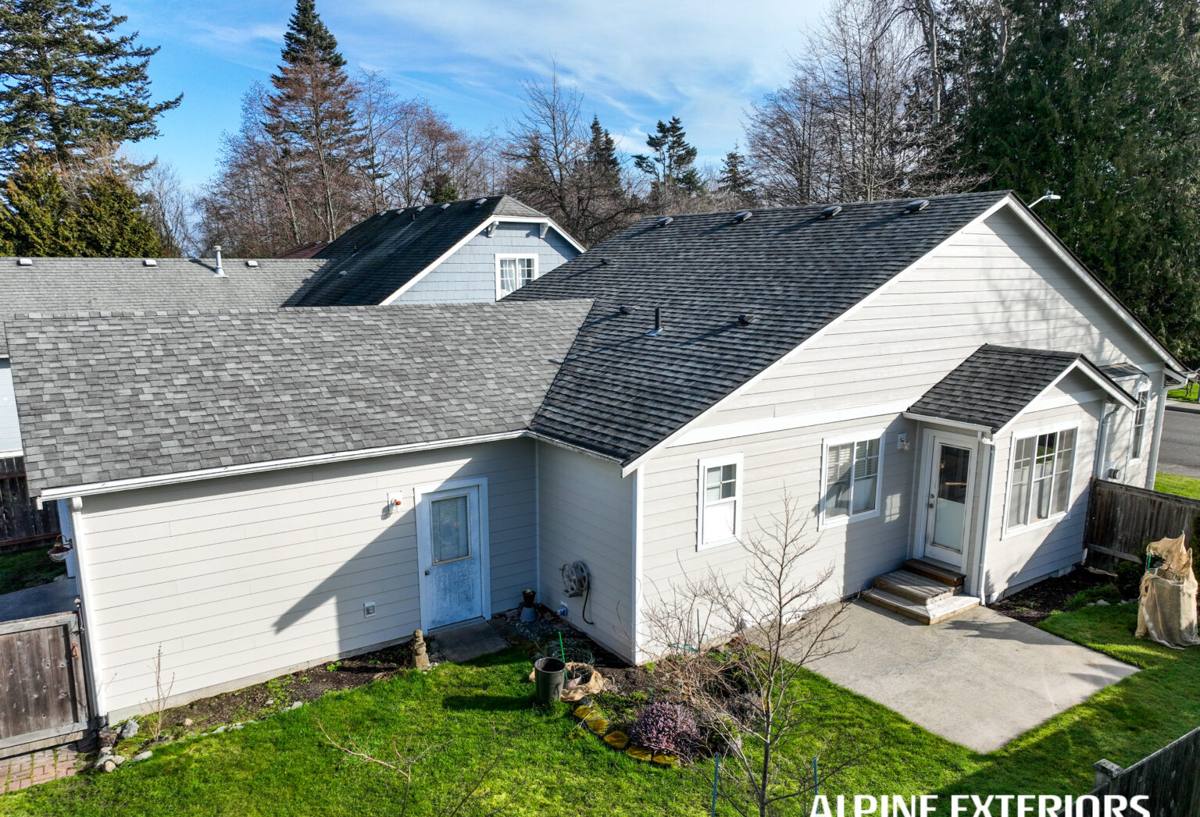
What Birch Bay's Climate Actually Does to Exterior Siding
Salt Air and Corrosion
Proximity to saltwater means airborne salt settles on everything — siding, trim, fasteners, flashing. It's slow and it's cumulative. Salt exposure accelerates corrosion on exposed metal fasteners and speeds up the breakdown of finishes that weren't engineered to handle it. On wood-based products, salt-laden moisture works its way into any exposed edge, seam, or fastener hole faster than it would a few miles inland.
Wind-Driven Rain
Birch Bay catches wind off the water with little to break it up before it hits a house. That matters because wind-driven rain doesn't just wet a wall surface — it drives water sideways and upward into laps, seams, and butt joints that a calmer rain would never reach. Siding systems and installation details that work fine in a sheltered inland yard can leak here if they're not built with that lateral pressure in mind.
A Long Moss and Damp Season
Whatcom County's wet season runs long, and Birch Bay's proximity to the water keeps humidity and shade-driven dampness lingering on north-facing and tree-shaded walls well after the rain itself has stopped. That's the environment moss and mildew like. On siding materials that absorb moisture or have exposed wood grain, that damp cycle — wet, barely dry, wet again — is what eventually causes swelling, soft spots, and paint failure.
Why We Install Only James Hardie Fiber Cement
We install James Hardie fiber cement siding exclusively. We don't install vinyl, LP SmartSide, Cemplank, Allura, primed spruce, or bare cedar. That's not a brand preference — it's a standard we hold because of what we've seen these conditions do to alternatives over time, and what fiber cement is actually engineered to resist.
| Material | How it typically holds up in a Birch Bay-type coastal climate |
|---|---|
| Vinyl siding | Doesn't absorb moisture, but seams and panels can be pushed by driving wind, and it becomes brittle with UV and salt-air exposure over years; color is baked into thin plastic, not a factory-cured finish |
| LP SmartSide / engineered wood | Wood-strand core is vulnerable at cut edges and fastener penetrations; sustained damp cycles are the exact condition engineered wood is most sensitive to if any edge seal is compromised |
| Cedar / primed spruce | Natural wood grain absorbs moisture directly; requires ongoing repainting and sealing to keep ahead of the moss-and-damp cycle, and salt air accelerates finish breakdown |
| James Hardie fiber cement | Cement-based composition doesn't rot, doesn't support moss growth on the material itself, and the ColorPlus factory finish is baked on rather than a field-applied coat that has to be maintained |
James Hardie also builds climate-specific HZ product lines engineered for regional exposure differences, and backs the material with a strong, transferable warranty. None of that means fiber cement is maintenance-free or immune to bad installation — no product is — but it's the product we're willing to put our name behind on a coastline like this one.
What a Birch Bay Village Siding Project Looks Like
Every job starts with an actual walk of the exterior, not a drive-by estimate. We're looking at wall orientation relative to prevailing wind and rain, existing moisture damage around windows and at the base of walls, roofline and gutter behavior, and how much shade and tree cover keep certain walls damp longer than others. That assessment shapes flashing details and product spec before we ever talk numbers.
Tear-Off and What's Underneath
Once old siding comes off, we inspect the sheathing and framing underneath. In a coastal, high-moisture area, it's common to find some degree of hidden water damage even on homes that looked fine from the outside — soft sheathing, rusted fasteners, or degraded house wrap around window and door openings. We address what we find rather than covering it back up.
Weather Barrier and Flashing
Given how much wind-driven rain this area sees, we're careful with weather-resistive barrier lapping, window and door flashing, and butt joint treatment on the new siding — these are the details that determine whether a house actually sheds water sideways, not just straight down.
Installation and Finish
James Hardie panels and lap siding go up to manufacturer spec — correct fastener type and spacing (accounting for the corrosive salt-air environment), proper clearances at grade and roofline, and factory-finished ColorPlus product where color-matching and cut-edge sealing matter most.
Beyond Siding: Roofing, Windows, and Decks
Siding doesn't fail in isolation on a coastal property — it's usually connected to what's happening at the roofline, around window openings, or where a deck ties into the exterior wall. We also handle roofing, windows, and decks, which matters in Birch Bay specifically because these systems interact:
- A roof with poor drip-edge or gutter performance dumps water directly onto the top course of siding
- Older or poorly flashed windows are one of the most common hidden moisture entry points behind siding
- Deck ledger boards and rim joists that tie into the house wall need the same moisture-management attention as the siding around them
Being able to look at a home's full exterior envelope — not just the siding panels — lets us catch and fix the actual source of a problem instead of just re-covering it.
Why a Local Crew Matters in a Small Coastal Community
Birch Bay Village is a tight-knit community, and word travels when a contractor does sloppy work or disappears mid-project. A local crew has a reputation on the line in a way an out-of-area company driving in for one job doesn't. We're also simply more familiar with how Whatcom County's coastal exposure behaves house to house — which walls take the worst of the weather, what permitting looks like locally, and what's realistic for scheduling around the wetter months.
Signs Your Birch Bay Village Home May Need New Siding
- Persistent moss or algae growth that returns shortly after cleaning, especially on north- or shade-facing walls
- Soft, spongy, or bubbling areas when you press on the siding, particularly near the ground or below windows
- Peeling, chalking, or fading paint that keeps needing touch-ups every year or two
- Visible gaps, warping, or separation at seams and butt joints
- Rusted or popped fasteners, especially on walls facing the water
- Rising heating bills that suggest the wall assembly isn't insulating or sealing the way it should
- Interior signs like musty smells, staining, or soft drywall near exterior walls
Cost Factors for a Birch Bay Siding Project
Every home is different, but the same handful of variables drive cost on most jobs in this area:
| Factor | Why it matters here |
|---|---|
| Extent of hidden moisture damage found at tear-off | Coastal humidity means sheathing and framing repair is more common than in drier inland areas |
| Home size and wall complexity | More corners, dormers, and trim details mean more labor and cut-edge sealing |
| Product line and profile (lap, panel, shingle-style) | Different Hardie profiles and factory finishes carry different material costs |
| Access and site conditions | Tree cover, slope, and proximity to the water can affect staging and scheduling |
| Scope — siding only vs. bundled with roofing, windows, or trim | Addressing the whole envelope at once is often more efficient than repeat mobilizations |
Get a Straight Answer on Your Home
If you're noticing moss that won't quit, soft spots, or siding that's just tired-looking after years of Birch Bay weather, it's worth having someone look at it who actually understands what this specific coastline does to a house. We'll walk the exterior with you, tell you honestly what we find, and put together a free, no-pressure estimate — no obligation, just a clear picture of where things stand.