 Birch Bay Siding
 Why This Comparison Matters More in Birch Bay Than Most Places
Vinyl siding and James Hardie fiber cement siding get compared everywhere in the country, but the comparison plays out differently on the water in Whatcom County. Birch Bay sits right on Semiahmoo and Boundary Bay, with salt air moving inland on a near-daily basis, driving rain off the Strait of Georgia, and a wet season that can run eight months out of the year with moss and algae pressure the whole time. Those three conditions together are a tougher test than most siding products ever have to pass, and they're exactly why we made the decision, as a company, to install only James Hardie fiber cement and to stop installing vinyl altogether.
This page isn't a sales pitch dressed up as education. It's the honest version of why one product held up to our standard for this specific coastline and the other didn't, written the way we'd explain it standing in your driveway.
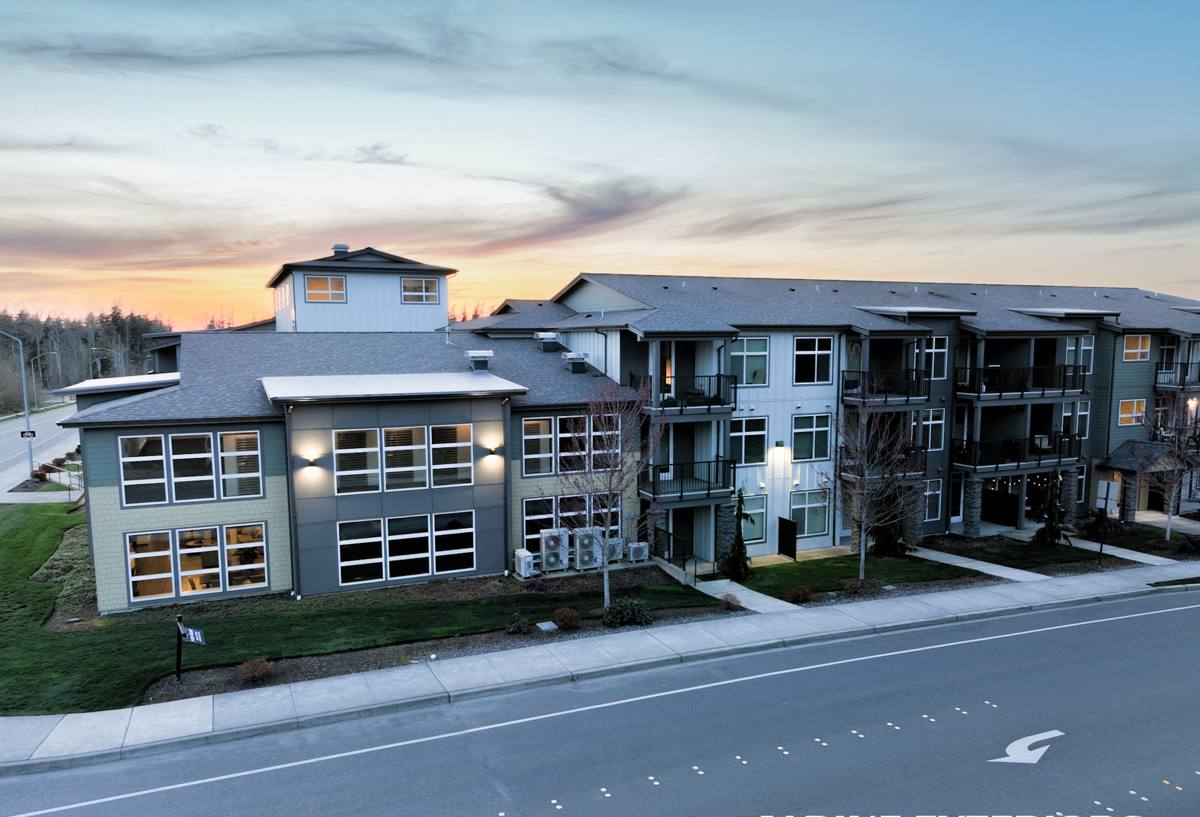
What Vinyl Siding Actually Is and Where It Came From
Vinyl siding is extruded PVC (polyvinyl chloride) formed into overlapping panels, usually with a woodgrain or smooth texture stamped in and color mixed into the material itself rather than applied as a surface coating. It became the dominant siding product in North America because it's light, inexpensive to manufacture and install, and never needs painting in the way that raw wood does. For a lot of climates and a lot of budgets, it's a reasonable, functional product.
What It Gets Right
- Lower upfront material and labor cost than most other siding types
- Never needs to be painted, and the color doesn't peel
- Lightweight, which makes it fast to install
- Not paper-based, so it doesn't rot the way untreated wood products can
None of that is a myth. Vinyl earns its market share honestly in a lot of the country. The problems show up specifically when you put it on a house that sits directly in salt air and driving coastal rain for years on end, which is exactly the environment Birch Bay offers.
Where Vinyl Struggles on a Coastal Whatcom County Home
Salt Air and Panel Fatigue
Vinyl is a plastic product, and like most plastics it becomes more brittle over time as UV exposure and temperature cycling break down the polymer. Add salt air into that cycle and you get faster degradation of the surface, along with a tendency for panels near the water to chalk, fade unevenly, and crack at fastener points years before an inland installation would show the same wear. Once a panel cracks or a seam opens, wind-driven rain off the bay finds its way behind the siding easily, because vinyl panels are designed to float loosely on their nailing flanges rather than seal tight.
Moisture Behind the Panel
That "floating" installation method is by design — vinyl needs room to expand and contract with temperature — but it also means vinyl siding was never meant to be a water barrier on its own. It relies entirely on the house wrap and flashing behind it to keep the wall assembly dry. In a climate with occasional hard rain that's a manageable system. In a climate with near-constant driving rain and long stretches of damp, low-drying-potential weather like Birch Bay gets from fall through spring, any gap in that back-up moisture barrier gets tested far more often, and for far longer stretches, than it would inland.
Moss, Algae, and Cleaning
Vinyl's slick, non-porous surface actually resists moss anchoring better than raw wood, but it does nothing to stop algae and green staining in shaded, damp corners — which describes a lot of exterior walls in this area under mature trees and marine cloud cover. Because vinyl can't be pressure washed aggressively without risking cracked panels or forced water behind the seams, homeowners are often stuck with gentler cleaning methods that don't fully keep pace with how fast growth returns here.
Impact and Heat Sensitivity
Vinyl becomes noticeably more brittle in cold weather and can crack from impact — a thrown rock, a ladder, hail, even an aggressive pressure wash — more easily than fiber cement. It's also sensitive to reflected heat from nearby windows, which can cause warping that's a known, documented issue in the vinyl industry, not just a coastal problem.
What James Hardie Fiber Cement Is
James Hardie siding is a cement-based composite: portland cement, sand, and cellulose fiber, cured and engineered into planks, panels, and shingle-style pieces. It's a completely different material category from vinyl — dense, rigid, and non-combustible — and it's manufactured with regional climate zones specifically in mind. Hardie's HZ5 product line, which we install here, is engineered for the wetter, harsher climate zones of the Pacific Northwest specifically, rather than being a one-size-fits-all national product.
Why That Matters on This Coastline
- Rigid, not floating — Hardie planks are installed with a tighter, more solid assembly that resists wind-driven rain intrusion better than a loose-fitting panel system
- Non-combustible — cement-based, not plastic, which matters for insurance conversations and fire-adjacent code discussions even in a damp climate
- ColorPlus factory finish — a baked-on, UV-cured finish applied in a controlled factory environment, which holds color and resists the fading and chalking that plagues field-painted or extruded-color products near salt air
- Handles pressure washing — the density of fiber cement tolerates the kind of periodic cleaning that keeps moss and algae under control in a marine climate, without the cracking risk vinyl carries
- Dimensionally stable — doesn't warp from reflected heat or expand and contract at the rate vinyl does
Head-to-Head Comparison
| Factor | Vinyl Siding | James Hardie Fiber Cement |
|---|---|---|
| Material | Extruded PVC plastic | Cement, sand, cellulose fiber |
| Installation method | Floats on nailing flange, relies on wrap behind it | Rigid, fastened assembly, tighter water resistance |
| Salt air performance | Chalks, fades, and becomes brittle faster near water | HZ5 line engineered for coastal PNW conditions |
| Color finish | Color mixed into plastic; fades and chalks over time | ColorPlus factory-baked finish resists fading |
| Moss/algae cleaning | Limited pressure-wash tolerance, cracks easily | Tolerates regular pressure washing |
| Impact resistance | Brittle in cold, cracks from impact | Dense and rigid, better impact resistance |
| Fire classification | Combustible plastic | Non-combustible |
| Upfront cost | Lower | Higher |
| Long-term maintenance | Low labor but panel/seam issues accumulate over time | Periodic wash and repaint of trim as needed |
| Warranty structure | Varies widely by manufacturer and installer | Strong transferable manufacturer warranty on the product |
The Cost Conversation, Honestly
We're not going to pretend Hardie is the cheaper option, because it isn't — vinyl has a real material and labor cost advantage on day one. What we'd ask any Birch Bay homeowner to weigh is the cost curve over 20 to 30 years, not just the installed price. A vinyl job that needs earlier panel replacement due to salt-air brittleness, more frequent moisture inspections behind cracked seams, or a full re-side sooner than expected changes the math considerably. Fiber cement's higher upfront number is partly the cost of not having that conversation again in 12 years.
What Actually Drives Your Number
- Total square footage and the number of corners, gables, and cutouts
- Whether it's new construction, a full tear-off, or an over-existing install (which we generally don't recommend on this coast)
- Plank profile chosen — lap siding, shingle-style, or panel systems
- Trim and accent work, including any board-and-batten or contrasting color detailing
- Site access and how much of the home faces direct weather exposure from the bay
Installation Is Where Both Products Live or Die
This deserves its own section because it's the part most comparisons skip. Vinyl siding is genuinely forgiving to install — that's part of its appeal — but that forgiveness can mask sloppy flashing and house-wrap work underneath, since the panel itself hides a lot of sins. Hardie is far less forgiving. It requires correct fastener placement, proper clearances at grade and roof lines, and manufacturer-specified caulking and flashing details. Installed wrong, fiber cement can trap moisture and fail early — which is exactly why product choice alone doesn't guarantee a good outcome. It has to be installed to spec, every time, especially in a climate that gives a wall assembly this many chances to get tested by weather.
What We Install and Why
We standardized on James Hardie because it's the product we can install correctly, warranty confidently, and stand behind on this specific coastline. We don't install LP SmartSide, vinyl, or other fiber cement alternatives — not because there's no legitimate use for them somewhere, but because for Birch Bay's combination of salt air, driving rain, and a moss season that doesn't really end, Hardie's HZ5 engineering, factory-cured ColorPlus finish, and rigid installation system are the combination we trust to perform for decades, not just look good at closeout.
Questions Worth Asking Any Contractor
- Is the siding line actually engineered for this climate zone, or is it a national default product?
- Does the finish come factory-applied, or will it need field painting within a few years?
- What does the manufacturer warranty actually cover, and is it transferable if you sell the home?
- How is the installer handling flashing at windows, doors, and the foundation line?
- What's the plan for moss and algae growth in shaded, north-facing sections of the home?
If you're weighing a re-side in Birch Bay or anywhere else in Whatcom County, we're happy to walk your home, look at your specific exposure to wind and salt air, and give you a straight answer on what it'll take — no pressure, no obligation. Reach out for a free estimate and we'll talk through what actually makes sense for your house.