 Birch Bay Siding
 Two Fiber Cement Brands, One Standard on Our Trucks
If you've been collecting bids for a siding replacement in Birch Bay, you've probably noticed that not every fiber cement product is the same brand. Allura and James Hardie both make fiber cement siding, and on paper the two look similar: cement, sand, and cellulose fiber pressed into planks and panels, marketed as a durable alternative to wood or vinyl. We get asked fairly often why we quote James Hardie on every job and won't bid Allura, even when a homeowner already has a favorable quote for it. This page is our honest answer.
We're not going to tell you Allura is a bad product — it's a legitimate fiber cement manufacturer with real factories and a real warranty program. What we will tell you is why, after years of installing siding along the Whatcom County coastline, we made a deliberate decision to standardize on one manufacturer instead of carrying two, and why that manufacturer is James Hardie.
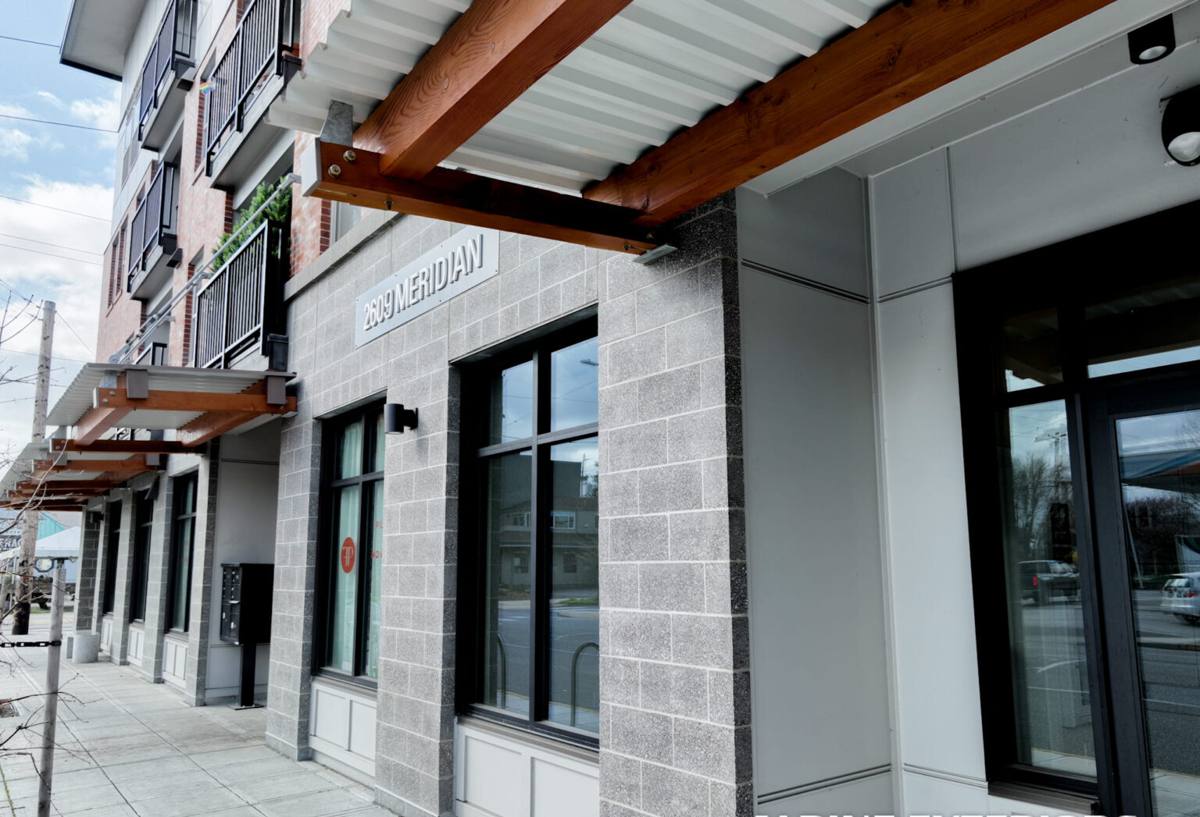
What Allura Gets Right
To be fair to the product, Allura fiber cement shares the core advantages of the category. It's non-combustible, it resists rot and insect damage far better than wood, and it holds paint or factory finish longer than vinyl. It comes in lap siding, panels, and trim profiles that compete directly with James Hardie's lineup, and it's priced to be competitive on bids. For a manufacturer that isn't a household name in the Pacific Northwest, that's a genuinely solid foundation.
If a homeowner outside our service area already has Allura on their home and just needs a repair or an addition matched, we understand the instinct to stick with what's there. Our decision not to install it new isn't a verdict on the material chemistry — it's about what happens after the material leaves the factory and lands on a wall in a place like Birch Bay.
Why We Don't Install It Here
Distribution and Local Stock
Fiber cement siding is a regional supply-chain product as much as it's a manufactured one. James Hardie has built a deep distributor network across Western Washington, with dedicated fiber cement stocking locations, trained sales support, and manufacturer field reps who show up to jobsites. Allura's distribution footprint in this corner of the state is thinner. That matters more than it sounds like it should: when a distributor doesn't stock deep local inventory, a damaged plank, a mid-project shortage, or a repair five years down the road can mean a multi-week wait or a color that doesn't quite match the original run.
Installer Training and Certification
James Hardie runs a structured contractor training and certification program — installation specs, flashing details, fastener schedules, and finish-care standards that our crews are trained against and that Hardie backs with its own quality documentation. Allura's contractor support network in our market is smaller, which means fewer local crews with deep, repeat experience on the product, fewer manufacturer field checks, and less institutional muscle memory for how the material behaves in wind-driven coastal rain. We'd rather have one product our whole crew has installed hundreds of times than split our expertise across two brands and get good at neither.
Finish System Consistency
James Hardie's ColorPlus finish is baked on at the factory in a controlled process, paired with matching caulk and touch-up products engineered specifically for that finish. Allura also offers factory-finished options, but the matching caulk, touch-up paint, and trim coordination isn't as tightly standardized across our regional supply chain. On a house that needs a full color match — trim, corners, and field panels all from one consistent batch — that difference shows up in the finished look, especially five or ten years out when a repair or addition has to blend into weathered original siding.
The Birch Bay Climate Factor
None of this would matter as much if we were installing siding in a dry inland climate. We're not. Birch Bay sits right on Whatcom County's Salish Sea shoreline, and that means salt-laden air, driving horizontal rain off the water, and a long, damp moss season that can stretch from fall through spring. Fiber cement handles that environment far better than wood or vinyl, but only when the specific product line, the flashing details, and the finish system are matched to the exposure.
James Hardie engineers its HZ5 product line specifically for climates like ours — it's formulated and tested for the freeze-thaw cycles, moisture exposure, and coastal conditions common to the Pacific Northwest. That's not a marketing footnote for a house 200 yards from the water; it's the difference between a finish that holds up under salt spray and one that doesn't get the benefit of climate-specific engineering. We haven't found an equivalent, regionally-matched product line from Allura backed by the same depth of local technical support.
Moss is the other quiet problem here. Once moss and algae get a foothold on siding in a shaded, damp Birch Bay lot, the joints, laps, and cut edges are where moisture works its way in over time. That makes correct factory-sealed edges and a finish system with a genuinely proven local track record more important here than in drier parts of the state — which circles back to why we stick with the product and the training we know best.
Allura vs. James Hardie: The Honest Comparison
| Factor | Allura Fiber Cement | James Hardie |
|---|---|---|
| Core material | Fiber cement (cement, sand, cellulose) | Fiber cement (cement, sand, cellulose) |
| Non-combustible | Yes | Yes |
| Climate-specific product lines | Limited regional differentiation | HZ5 line engineered for PNW/coastal exposure |
| Local distributor stock (Whatcom County) | Thinner network, longer lead times | Deep local stocking distributors |
| Factory finish system | Available, less standardized regionally | ColorPlus with matched caulk/touch-up system |
| Local certified installer base | Small in this region | Large, with manufacturer training program |
| Warranty | Manufacturer-backed, standard terms | Manufacturer-backed, transferable, tied to certified installation |
Installation Sensitivity Is the Real Story
Fiber cement siding, regardless of brand, is only as good as the installation behind it. Improper fastener placement, missing or wrong-gauge flashing, caulked joints that should have been left to breathe, or panels hung without the correct clearance from grade and roofing — these are the failure points that show up years later as trapped moisture, cracked caulk lines, or paint failure. That's true of James Hardie siding installed poorly, and it's just as true of Allura.
Our reason for standardizing on one manufacturer isn't that the other one requires different skill — it's that installation quality comes from repetition, manufacturer-specific training, and a crew that has run the exact same fastener schedule and flashing details on dozens of Whatcom County homes. Splitting that experience across two competing systems dilutes it. We'd rather be genuinely excellent at one than adequate at two.
What to Ask Any Siding Contractor, Regardless of Brand
- Is the crew manufacturer-trained or certified on the specific product they're quoting?
- Who stocks replacement material locally, and how long is the lead time for a color-matched repair?
- What does the warranty actually cover — material only, or labor too — and is it transferable if you sell the home?
- What flashing and clearance details will they use at grade, roofline, and window/door openings?
- Can they show you the specific product line rated for your home's exposure, not just a generic fiber cement product?
Warranty and Long-Term Support
Both manufacturers back their products with warranties, and on paper the coverage periods can look comparable. The practical difference we care about is what happens when a warranty claim actually needs to be filed years later — how easy it is to reach the manufacturer, how quickly a claim gets resolved, and whether the installing contractor is still around and still certified on that product to do the work. James Hardie's scale and its structured installer program give us confidence that both the manufacturer and the paperwork trail will be there in fifteen or twenty years. We can't offer our customers that same level of confidence with a product we don't install regularly and don't have deep local backing for.
Why We Standardized on James Hardie
We made the call to install one fiber cement system, not two, because consistency is what actually protects a homeowner's investment. Every crew member on a Hardie job has run that fastener schedule and those flashing details dozens of times. Every color match comes from a factory finish system with matching trim and touch-up products we can source locally without a long wait. Every warranty conversation goes through a manufacturer with a real presence and real field support in Western Washington. In a climate like Birch Bay's — salt air, driving rain, and months of moss pressure every year — that consistency is what keeps siding looking and performing the way it should for decades, not just the first few years.
That's the whole reason behind this page. It's not that Allura is a poor product in the abstract. It's that we've chosen to put our training, our warranty backing, and our local supply chain behind one system, and we believe that focus serves Birch Bay homeowners better than spreading it across two.
If you're comparing siding quotes and want an honest, no-pressure look at what James Hardie would cost and involve on your specific home, we're happy to walk the property, talk through the product lines that fit your exposure, and give you a straightforward estimate — no hard sell, just the facts you need to decide.