 Birch Bay Siding
 Birch Bay Village Siding Takes a Different Kind of Beating
Birch Bay Village sits close enough to the water that salt air is a daily fact of life, not an occasional nuisance. Combine that with the wind-driven rain that comes off Birch Bay during fall and winter storms, and a moss and algae season that can run eight months or longer in Whatcom County's marine climate, and you have conditions that stress siding harder than almost anywhere else in the region. Homes a few miles inland deal with rain. Homes in Birch Bay Village deal with rain pushed sideways into seams, salt residue that keeps surfaces perpetually damp, and shaded, moisture-holding microclimates where moss gets a foothold and never lets go.
None of that means siding is doomed here — it means siding has to be installed and repaired correctly the first time, with materials and methods that were built for this kind of exposure. A repair that would hold up fine in a dry inland neighborhood can fail within a season or two on a Birch Bay Village home if it's done as a shortcut instead of a proper fix.
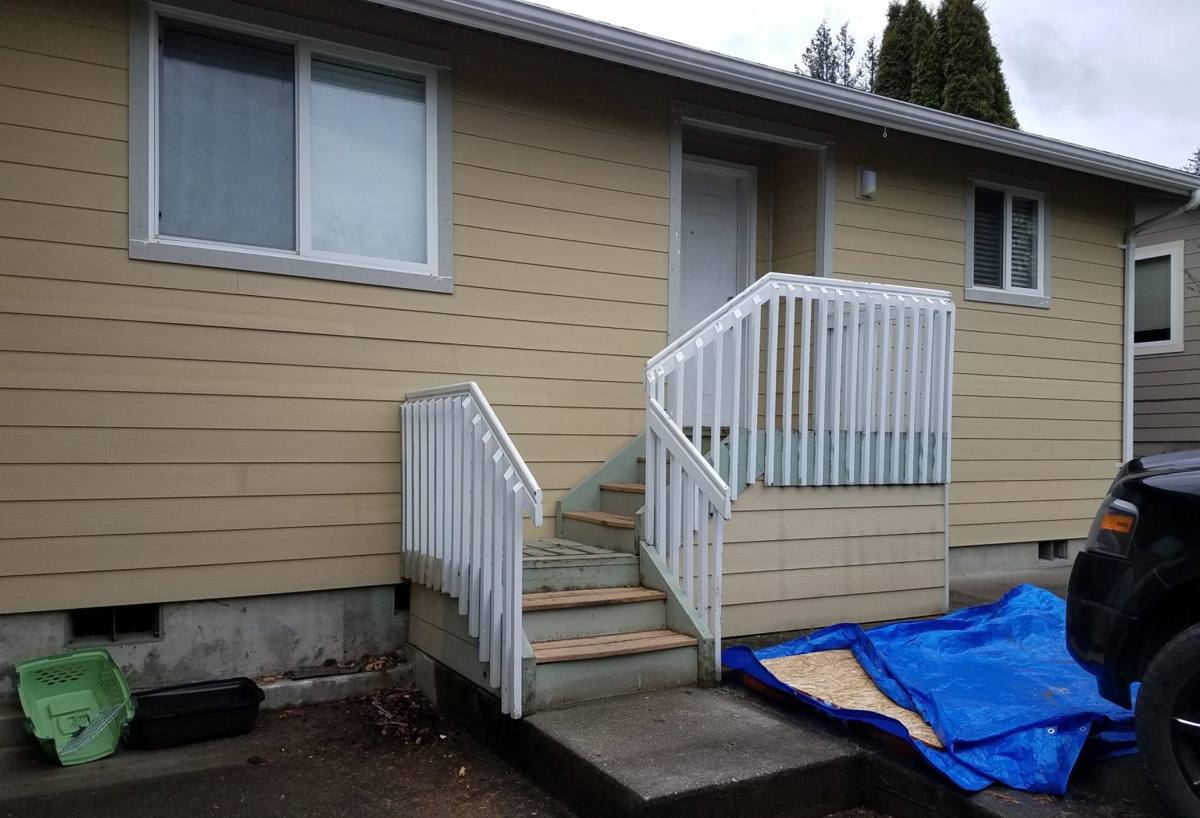
What Actually Causes Siding Damage Around Birch Bay Village
Before any repair happens, it's worth understanding what's actually going wrong. In our experience working this stretch of Whatcom County, damage almost always traces back to one of a handful of causes:
- Moisture intrusion at seams and joints — wind-driven rain finds any gap in caulking, flashing, or panel overlap and works its way behind the siding.
- Caulk and sealant failure — salt air and UV exposure break down sealants faster than in drier inland areas, opening the door for water.
- Moss, algae, and mildew staining — shaded north- and west-facing walls near mature trees or close to the water hold moisture long enough for organic growth to take hold, which traps even more moisture against the siding.
- Cracking, buckling, or warping — repeated wet-dry cycling stresses siding materials, especially wood and engineered wood products that swell and shrink with moisture content.
- Rot at butt joints and bottom edges — the lowest points on a wall, and any place two pieces of siding meet, are where water collects and lingers longest.
- Impact damage — storm debris, tree limbs, and general wear can crack or dislodge panels, which then become an entry point for the moisture problems above.
Most siding failures we see aren't one dramatic event — they're small moisture problems that went unaddressed for a season or two and turned into rot, delamination, or structural sheathing damage underneath.
Repair vs. Replace: How We Make the Call
Not every damaged section needs a full re-side, and we're not going to tell you it does. A straightforward, honest assessment looks at the extent of the damage, what's happening behind the siding, and how much useful life the rest of the wall has left.
| Factor | Leans Toward Repair | Leans Toward Replacement |
|---|---|---|
| Extent of damage | Isolated panels or a single wall section | Damage spread across multiple walls |
| Underlying sheathing | Dry, sound wood behind the siding | Soft, discolored, or rotted sheathing found on inspection |
| Material condition | Rest of the siding is sound and holding paint or finish well | Widespread cracking, chalking, or failed caulk joints elsewhere |
| Age of existing siding | Newer installation with a clear, isolated cause of damage | Siding near or past its expected service life |
| Color/material match | Matching material is available (including ColorPlus-matched Hardie) | Discontinued product or no reasonable match available |
We won't sell a repair on a wall that's clearly failing behind the surface, and we won't push a full replacement on a house that just needs a competent patch. The inspection tells us which one it is — moisture readings and a look behind a sample panel matter far more than a guess from the driveway.
What Moisture Testing Actually Tells Us
A moisture meter reading behind suspect siding is one of the most useful diagnostic tools we have. Elevated readings at a butt joint or corner, even without visible staining yet, tell us water is getting in and the clock is running on the sheathing underneath. Catching that early is usually the difference between a contained repair and a much larger project.
What a Correct Siding Repair Involves
A repair that's done right isn't just "swap the damaged piece for a new one." It involves several steps that are easy to skip if a crew is moving fast:
- Inspection beyond the visible damage — checking adjacent panels, corner trim, and the area behind the damaged section for hidden moisture or rot.
- Removing damaged material back to sound substrate — patching over compromised sheathing just traps the problem.
- Addressing the water source — replacing failed flashing, re-sealing a joint, or correcting a drainage issue so the same damage doesn't recur.
- Matching material, reveal, and finish — a repair that doesn't match the surrounding siding's exposure and profile stands out and can create new water paths at the transition.
- Proper fastening and joint treatment — correct nailing pattern, joint flashing, and sealant appropriate for the material and this climate.
- Final check for paint or factory-finish match — field-painted patches on factory-finished siding rarely age the same way as the original finish.
Skipping any of these steps is how a "repair" turns into a callback a year later.
Repairing Different Siding Materials
Birch Bay Village has homes with a mix of siding types, and what a repair involves depends heavily on what's already on the wall.
Vinyl Siding
Vinyl panels can be unclipped and swapped fairly easily when a matching color and profile are still available, which is often the limiting factor — vinyl colors and profiles change over the years and older runs can be hard to match. Vinyl also becomes brittle with age and UV exposure, so panels near a repair area sometimes crack during removal even when they weren't the original problem.
Wood and Cedar Siding
Wood siding repair is straightforward in concept — replace the damaged board, prime all six sides, paint to match — but it's high-maintenance in this climate. Salt air and the long moss season here mean wood needs more frequent inspection and refinishing than most homeowners plan for, and a repair is only as good as the paint film protecting it going forward.
LP SmartSide and Other Engineered Wood Products
Engineered wood siding relies on an intact factory coating and properly sealed cut edges to resist moisture. Once that coating is compromised — from an impact, a failed caulk joint, or age — the underlying wood-strand core can swell and deteriorate faster than solid wood would. Repairs need to fully address any exposed edge, not just patch the visible face.
James Hardie Fiber Cement
Where a home already has James Hardie siding, repairs are generally the most predictable of any material on this list. Fiber cement doesn't swell, rot, or feed moss the way wood-based products can, and ColorPlus factory-finished panels can often be matched closely for a patch repair without a field-paint mismatch. This is a big part of why it's the only product we install on new work — we'd rather build in that long-term reliability up front than manage repeat repairs later.
Our Repair Process for Birch Bay Village Homeowners
We keep the process straightforward:
- On-site assessment — we look at the damaged area, check for hidden moisture, and inspect adjacent sections that share the same exposure.
- Honest repair-or-replace recommendation — with the reasoning explained, not just a number.
- Written estimate — scope, materials, and what the repair does and doesn't cover.
- The repair itself — done to the standard described above, not a quick patch.
- Final walkthrough — confirming the fix, the match, and that the underlying cause has been addressed.
Why a Crew That Already Works Birch Bay Village Matters
Siding repair here isn't generic exterior work. A crew that regularly works Birch Bay Village and the surrounding Whatcom County coastline already knows which wall orientations take the worst wind-driven rain, which conditions accelerate moss growth, and how salt exposure affects fastener and sealant choices over time. That local pattern recognition shortens the diagnostic part of a repair — we're not learning this climate on your house.
It also means we're realistic about scheduling around this area's weather windows. Repair work involving open wall sections needs a reasonable stretch of dry weather, and knowing the local seasonal patterns helps us plan a repair that isn't rushed or left exposed longer than it should be.
Maintenance Checklist to Extend Repaired Siding's Life
Once a repair is done, a little seasonal attention goes a long way in this climate:
- Rinse salt residue and grime off siding a couple of times a year, especially on sides facing the water.
- Keep gutters and downspouts clear so runoff doesn't sheet down the wall.
- Trim back vegetation that shades siding and slows drying after rain.
- Check caulk joints at trim, windows, and corners annually and re-seal before they fail.
- Address moss or algae growth early rather than letting it establish.
- Walk the exterior after major windstorms to catch new damage before it sits through another rain event.
What Repair Costs Typically Depend On
| Cost Factor | Why It Matters |
|---|---|
| Extent of damage | A single panel costs far less to address than damage spread across a wall |
| Access | Second-story or tightly landscaped areas take more time and equipment |
| Hidden sheathing damage | Rot behind the siding adds carpentry work beyond the visible patch |
| Material match | Discontinued colors or profiles can require sourcing or blending work |
| Underlying cause | Fixing a flashing or drainage issue adds scope but prevents repeat damage |
We don't quote sight-unseen for exactly this reason — the difference between a $300 panel swap and a repair that involves sheathing repair and re-flashing only shows up once we've actually looked behind the damaged section.
If you've got damaged, stained, or aging siding on a Birch Bay Village home, we're glad to take a look and give you a straight answer on what it needs. Reach out for a free, no-pressure estimate — no obligation, just an honest assessment of what's going on and what it would take to fix it right.