 Birch Bay Siding
 Board & Batten Siding Built for Cherry Point's Marine Climate
Cherry Point sits on the Whatcom County coastline, exposed to the same weather system that shapes everything we build in the Birch Bay area: salt-laden air off the Strait of Georgia, wind-driven rain that comes in sideways more often than straight down, and a moss season that can run eight or nine months out of the year. Board and batten siding is a strong fit for homes out here, but only when it's installed with that climate in mind. A batten pattern that looks right on a dry-side house can trap moisture and fail early on a property this close to open water. This page covers what board and batten siding actually needs to hold up in Cherry Point, what correct installation looks like, and how our process is built around a crew that already works this stretch of coastline.
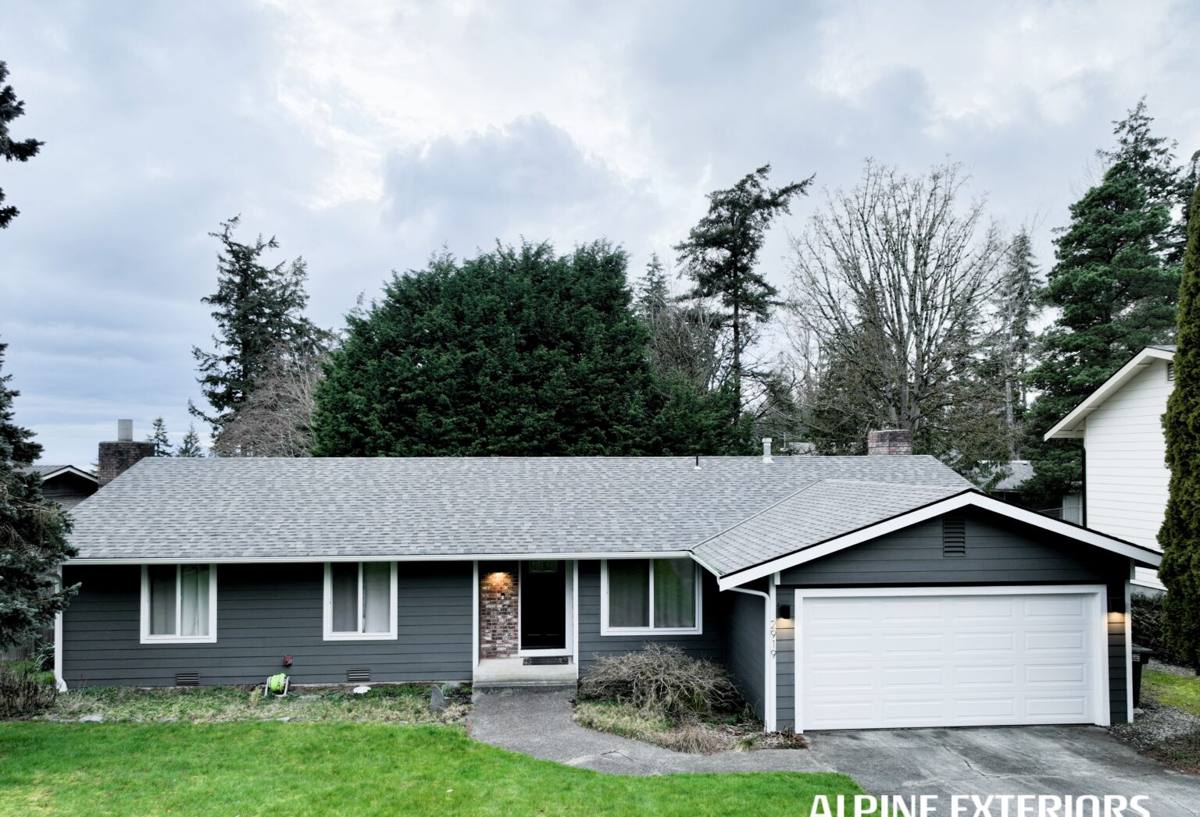
What Cherry Point's Climate Actually Does to Siding
Salt Air and Corrosion
Homes near Cherry Point sit close enough to the water that airborne salt is a real factor, not a marketing talking point. Salt accelerates corrosion on exposed metal fasteners and flashing, and it interacts with paint and coatings over time, especially on south and west elevations that catch the prevailing weather. Any board and batten system out here needs fastener and flashing choices that account for that exposure, not generic inland specs.
Driving Rain and Wind Exposure
Cherry Point and the surrounding Birch Bay shoreline get more wind-driven rain than protected inland Whatcom County lots. Rain hitting a wall at an angle finds every gap in a siding system — every joint, every batten seam, every place where flashing was skipped to save time. Board and batten siding has more vertical seams than lap siding by design, which means the drainage plane behind it has to be done right, because there's no margin for shortcuts on a house catching wind off the water.
The Long Moss Season
Whatcom County's wet season stretches long, and shaded or north-facing walls near Cherry Point can stay damp for weeks at a time. Moss and algae take hold on any siding material that holds moisture at the surface, and board and batten's vertical battens create horizontal ledges and shadow lines that collect debris if they're not detailed correctly. The material and the finish both matter here — some products resist this better than others.
Why Board & Batten Fits This Stretch of Whatcom County
Board and batten has become a popular look for coastal and rural Whatcom County homes — it reads as clean, modern-farmhouse, or classic Pacific Northwest depending on color and trim choice, and it works well on both new builds and remodels near Cherry Point. Beyond the look, the vertical lines shed water down and off the wall rather than pooling on a horizontal reveal, which is a genuine practical advantage in a high-rainfall area, provided the underlying drainage system is built to take advantage of it. The style also pairs well with the mix of home sizes out here, from smaller shoreline cottages to larger properties set back from the water.
What a Correct Board & Batten Installation Involves
Substrate and Weather-Resistive Barrier
Everything starts underneath the siding. The sheathing needs to be sound, and the weather-resistive barrier has to be installed and lapped correctly, with every penetration — outlets, hose bibs, light fixtures — properly flashed before a single board goes up. Skipping this step is invisible on installation day and expensive to fix five years later.
Rainscreen and Drainage Plane
Given how much wind-driven rain Cherry Point sees, a drainage gap between the weather barrier and the siding is not optional in our book. A rainscreen lets any water that gets past the outer layer drain and dry out instead of sitting against the sheathing. This is one of the details that separates a board and batten job that lasts decades from one that traps moisture behind a good-looking face.
Fastening and Flashing Details
Board and batten needs a fastening pattern that accounts for the wider boards and the added batten layer, with corrosion-resistant fasteners appropriate for a coastal environment. Flashing at windows, doors, and the base of the wall has to be sequenced correctly — over the barrier in the right order — so water is always directed outward and down, never behind the cladding.
Batten Spacing and Caulking
Batten spacing affects both the look and the performance of the wall. Too wide, and the panel underneath can flex; too narrow, and you lose the visual rhythm the style is known for. Joints and butt seams need to be sealed with a caulk rated for exterior, marine-adjacent exposure — a standard interior-grade caulk will not hold up to Cherry Point's salt air and UV cycle over time.
Material Comparison for Cherry Point Board & Batten Projects
We install James Hardie fiber cement exclusively, and the table below lays out honestly how that compares to the other materials homeowners in this area ask about, specifically for board and batten applications in a coastal, high-moisture climate.
| Material | Moisture & Salt Air Behavior | Moss/Algae Resistance | Typical Lifespan Here |
|---|---|---|---|
| James Hardie fiber cement | Non-combustible, engineered for wet climates, does not rot or swell when installed to spec | ColorPlus factory finish resists staining better than field-painted surfaces | 30+ years with normal maintenance |
| Vinyl | Won't rot, but can warp or crack under UV and temperature swings; seams can allow water intrusion | Moderate; can discolor and hold surface grime | 15-25 years, fades and becomes brittle |
| LP SmartSide (engineered wood) | Wood-based core is vulnerable if the factory seal is ever breached at a cut or fastener | Requires diligent maintenance to prevent edge swelling | Variable; heavily dependent on maintenance and install quality |
| Cedar / primed spruce | Natural wood; absorbs moisture, needs ongoing sealing and refinishing near salt air | Prone to moss and mildew without regular treatment | 15-25 years with consistent upkeep, less without it |
This isn't a claim that the other products are unusable everywhere — it's why, specifically for a marine climate like Cherry Point's, we standardized on fiber cement and stopped installing the alternatives. Wood-based products ask a homeowner to stay ahead of maintenance in a climate that doesn't give much room for error, and vinyl's seams and UV behavior are a harder sell this close to the water.
Our Process for Cherry Point Board & Batten Projects
- On-site assessment — we look at wall orientation, existing moisture damage, current siding condition, and how exposed the specific elevation is to wind and rain off the water.
- Prep and repair — any compromised sheathing or framing gets addressed before new siding goes up; we don't cover over a problem.
- Weather barrier and rainscreen installation — the drainage system goes in first, done to spec, not shortcut.
- Board and batten installation — Hardie panels and battens installed with correct fastening, spacing, and flashing at every penetration.
- Final walkthrough — we go over the finished job with the homeowner and flag anything worth knowing for long-term care.
Why a Crew That Already Works Cherry Point Matters
A siding crew that mainly works dry, inland jobs doesn't always carry the habits this coastline demands — the extra attention to flashing sequencing, the corrosion-appropriate fastener choices, the rainscreen detailing. A crew that regularly works Cherry Point and the greater Birch Bay area already knows which elevations take the worst of the wind-driven rain, how the moss season behaves on shaded walls here, and what it takes to get a board and batten installation to actually perform over decades rather than just look good on install day. That local familiarity shows up in the details that don't get noticed until they either hold up or fail.
Maintaining Board & Batten Siding in This Climate
Even a well-installed system benefits from basic upkeep in a climate like this. Fiber cement with a ColorPlus finish needs far less attention than painted wood, but it's not zero-maintenance, and a little seasonal attention goes a long way toward protecting the investment.
- Rinse off accumulated salt spray and grime on exposed walls once or twice a year
- Check caulking at joints and around windows annually and reseal if it's cracking or pulling away
- Keep gutters and downspouts clear so water isn't running down the wall face
- Trim back vegetation and tree cover on shaded, moss-prone walls where practical
- Look for early moss or algae growth and address it before it spreads or holds moisture against the surface
- Inspect after major windstorms for any loosened battens, trim, or flashing
If you're weighing board and batten for a home in Cherry Point or anywhere around Birch Bay, we're happy to walk the property, look at what the specific elevations are dealing with, and give you a straight answer on what it would take to do the job right. Reach out for a free, no-pressure estimate using the form below.