 Birch Bay Siding
 Windows in Marietta Take a Different Kind of Beating
Marietta sits close enough to the water that its homes deal with a combination most inland Washington houses never see: salt-laden air off the bay, wind-driven rain that hits window walls sideways instead of straight down, and a wet season that stretches long enough to grow moss on anything that stays damp. None of that is dramatic on its own. It's the accumulation, year after year, that wears down window seals, corrodes hardware, and lets moisture find its way into places it shouldn't be.
We work throughout Birch Bay and the surrounding Whatcom County coastline, and Marietta's older housing stock is a common stop for us. A lot of it was built with aluminum-frame or early vinyl windows that were fine for their era but were never engineered for decades of salt exposure and near-constant coastal moisture. When those windows start failing, the fix isn't just cosmetic — it's about stopping water from getting into the wall assembly behind them.
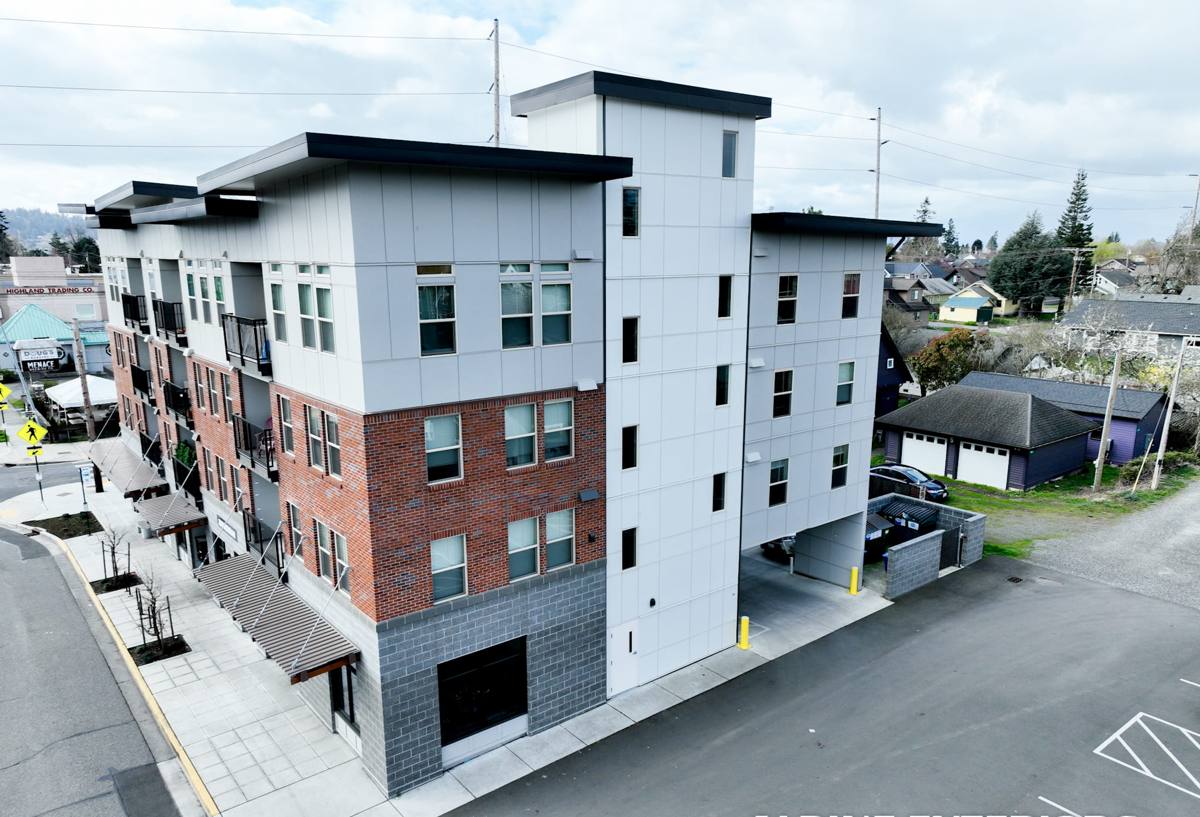
How Salt Air and Driving Rain Break Down Windows
Salt Air
Airborne salt is corrosive to metal hardware — hinges, latches, balance mechanisms, and screws — even on windows that are marketed as coastal-rated. Once corrosion sets in, windows stop closing tightly, which lets in more moisture and more salt air, accelerating the whole cycle. Aluminum frames are particularly vulnerable to pitting and oxidation over time.
Driving Rain
Storms off the water tend to push rain horizontally against west- and southwest-facing walls in this area. That kind of wind-driven rain finds gaps that a straight-down rainstorm never would. If a window's flashing and drainage plane weren't installed correctly the first time, this is exactly the exposure that reveals it — sometimes years later, after damage has already spread into the wall.
Extended Moss Season
Whatcom County's long damp stretch keeps exterior surfaces wet for extended periods, which is ideal for moss and mildew growth on sills, trim, and anywhere water sits instead of draining. Moss holds moisture against wood and painted surfaces far longer than plain rain does, which speeds up rot in window sills and surrounding trim.
Signs Your Marietta Home's Windows Need Replacing
- Visible fogging or moisture trapped between glass panes (failed seal)
- Soft, discolored, or spongy wood at the sill or lower frame
- Windows that are difficult to open, close, or lock — often a sign of frame warping or corroded hardware
- Persistent moss, mildew, or black staining on the sill or exterior trim
- Noticeable drafts or a cold zone near the window even when it's shut
- Condensation forming on the inside of the glass regularly during colder months
- Peeling paint or bubbling drywall on the interior wall near the window
Any one of these can be a minor annoyance. Two or three together, especially on a wall that faces the water or prevailing wind, usually means the window and possibly the flashing behind it have been letting moisture in for a while.
What Correct Window Replacement Actually Involves
Replacing a window is not just popping out an old unit and screwing in a new one. In a coastal Whatcom County setting, the installation details matter more than the window brand. Here's what a correct job includes:
Full Inspection Before Removal
We check the condition of the framing, sheathing, and sill once the old window is out. This is often the first real look anyone has had at that wall assembly in years, and it's the moment to catch hidden rot or water damage before it's sealed back up behind a new window.
Proper Flashing and Drainage Plane Integration
Every window opening needs flashing that directs water down and out, integrated correctly with the home's weather-resistive barrier — not just caulked over. This is the single most common point of failure we find in older or poorly done installs, and it's the step that matters most for a home exposed to driving rain.
Correct Shimming and Leveling
A window that isn't shimmed level and square won't seal or operate correctly, even if every other step was done right. Poor alignment stresses the frame and accelerates hardware wear.
Sealed, Insulated Perimeter
The gap between the window frame and the rough opening needs to be insulated and air-sealed correctly — not overpacked with spray foam, which can bow the frame, and not left with gaps that create drafts and cold spots.
Interior and Exterior Trim Finish
Trim gets reinstalled or replaced and sealed to shed water away from the window, not toward it.
Choosing Window Materials for a Coastal Whatcom County Home
There's no single "best" window material for every home — it depends on your budget, your home's exposure, and how much upkeep you want to take on. Here's how the common options compare for a Marietta property dealing with salt air, wind-driven rain, and long wet seasons:
| Material | Coastal Durability | Maintenance | Typical Cost |
|---|---|---|---|
| Vinyl | Good — resists corrosion, some UV fading over decades | Low | Lower to mid |
| Fiberglass | Very good — dimensionally stable, resists moisture and salt effects well | Low | Mid to higher |
| Aluminum | Weaker in this climate — prone to corrosion and thermal transfer over time | Moderate to high | Lower to mid |
| Wood (clad exterior) | Good exterior protection if cladding stays intact, but exposed wood elements are vulnerable | Higher | Higher |
For most Marietta homes we work on, vinyl and fiberglass frames give the best combination of corrosion resistance and manageable upkeep. We're generally cautious about bare aluminum frames on water-facing walls in this area — not because the material is bad everywhere, but because salt air and thermal bridging make it a harder long-term fit for this specific climate. If you already have wood-clad windows you like, that's a legitimate choice too, as long as the cladding and flashing are intact.
Glass Packages and Energy Performance
Whatcom County's mild but damp climate makes double-pane, low-E glass with an insulated (argon or similar) gap a sensible baseline for most homes here — it cuts down on condensation risk and keeps interior surfaces closer to room temperature, which matters when the outside air is often cool and humid. Triple-pane glass can be worth it for west- or northwest-facing rooms that take the brunt of wind and weather, though it adds cost and weight. We'll walk through what makes sense for your specific walls and budget rather than upselling every window to the top-tier package.
Our Process: From Estimate to Final Walkthrough
- On-site assessment — we look at each window's condition, the wall assembly where accessible, and note which elevations take the most weather exposure.
- Honest recommendation — we tell you which windows genuinely need replacing now, which can wait, and why, rather than pushing a full-house replacement by default.
- Written estimate — clear pricing by window, material, and labor, with no vague allowances.
- Removal and inspection — old windows come out, and we inspect the framing before anything new goes in.
- Correct installation — flashing, shimming, insulation, and sealing done to manufacturer specification and sound building practice, not shortcuts.
- Final walkthrough — we test operation, check seals, and confirm everything is finished before we consider the job done.
Mistakes We Commonly Find from Prior Installs
A meaningful share of the window work we do in this area is correcting problems from a previous install, not just replacing old glass. The most common issues:
- Flashing skipped or replaced with caulk alone, which fails well before the window does
- Windows caulked shut on the exterior with no way for trapped moisture to escape
- Gaps overpacked with expanding foam, bowing the frame and affecting operation
- Trim reinstalled without re-sealing, leaving a path for water behind the siding
- Mismatched replacement windows that don't account for the wall's actual drainage path
These aren't defects you can usually see from inside the house. They show up later as soft trim, interior staining, or a window that suddenly won't close — often long after the original installer is gone.
Keeping New Windows Performing in This Climate
A correctly installed window still benefits from basic upkeep in a salt-air, high-rain environment:
- Rinse accumulated salt residue off frames and hardware periodically, especially on water-facing sides
- Clear moss and debris from sills and tracks before it holds moisture against the frame
- Check that exterior caulking at the trim stays intact and reseal if it cracks
- Operate hardware (locks, cranks, balances) periodically so corrosion doesn't set in unnoticed
- Watch for condensation buildup between panes, which signals a failed seal even on newer windows
Why a Crew That Already Works Marietta Matters
Window replacement in this part of Whatcom County isn't the same job as window replacement fifty miles inland. A crew that regularly works Birch Bay and Marietta already knows which elevations take the worst of the wind-driven rain, what condition to expect in older sills after years of moss exposure, and how to detail flashing so it actually holds up to salt air instead of just meeting a minimum spec. That local pattern recognition is the difference between a window that looks fine at handoff and one that's still performing correctly ten years from now.
If you're noticing drafts, fogged glass, sticking hardware, or soft trim around your windows, we're happy to take a look and give you a straight answer about what's actually needed. Reach out for a free, no-pressure estimate using the form below — we'll walk the exterior with you and tell you what we find.