 Birch Bay Siding
 Windows Built for the Terrell Creek Microclimate
Homes in the Terrell Creek area sit close enough to Birch Bay's shoreline to catch the same salt-laden air that ages siding, metal fixtures, and window hardware faster than it would inland. Add Whatcom County's driving winter rain and a moss season that can stretch from October through April, and you have a set of conditions that punishes windows chosen for looks or price alone. An energy-efficient window in this setting isn't just about a lower heating bill — it's about a frame, seal, and glass package that can shed water, resist salt corrosion, and hold its performance year after year without babysitting.
We work Terrell Creek and the surrounding Birch Bay neighborhoods regularly, which means we've seen how windows here actually fail — not in a lab, but on real houses exposed to real weather. This page covers what that means for a window replacement project on your home specifically.
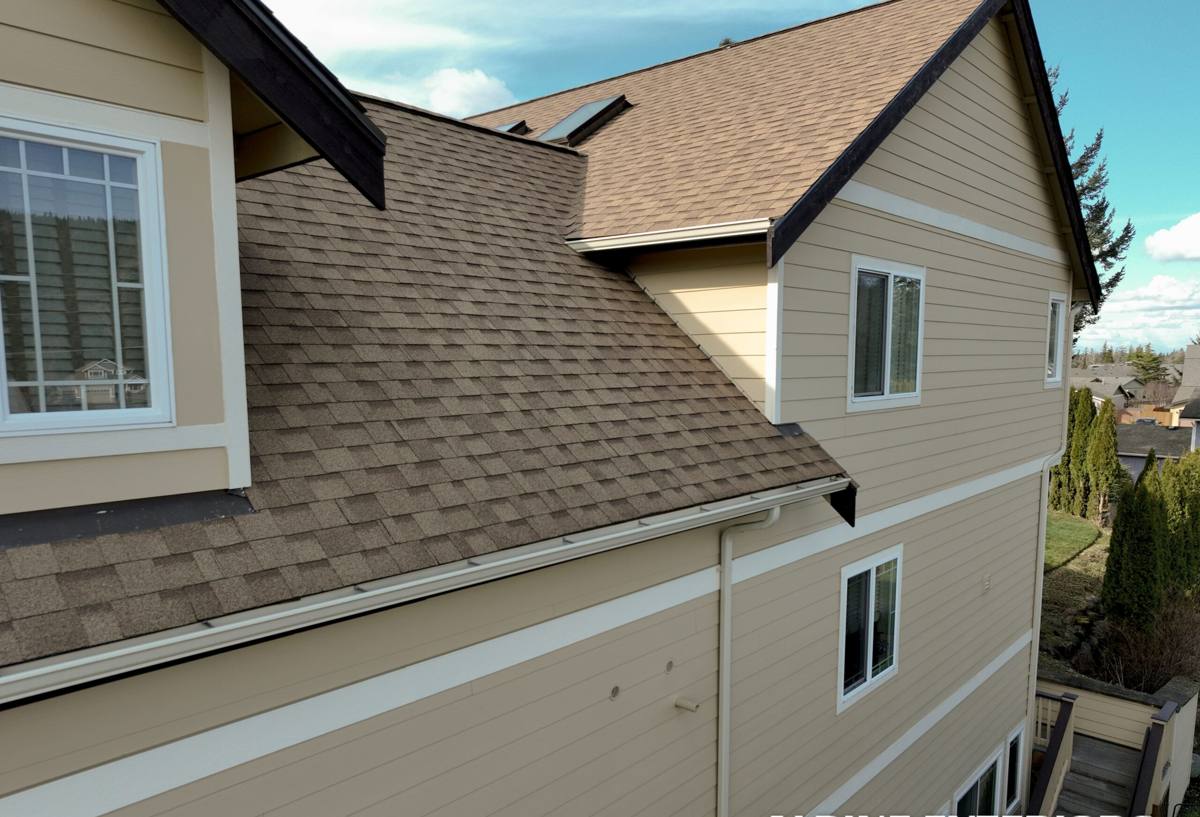
What Birch Bay's Climate Does to Windows Over Time
Salt Air
Airborne salt from the bay settles on window frames, hardware, and screens. On lower-grade vinyl and unprotected metal components, that exposure speeds up pitting, corrosion of hinges and locks, and discoloration of exterior finishes. It's a slow process, so it's easy to miss until a window that's only ten or twelve years old starts sticking, leaking, or looking chalky.
Driving Rain
Storms off the Strait of Georgia don't just drop rain straight down — wind-driven rain hits window assemblies at an angle, pushing water into any gap in the flashing or sealant. A window that would perform fine in a drier, calmer climate can leak here if the installation details around it aren't done correctly.
Moss and Prolonged Damp
Whatcom County's long wet season keeps north-facing and shaded window areas damp for extended stretches. That moisture supports moss and algae growth on sills, trim, and nearby siding, and it keeps wood components wet longer than they're designed to tolerate. Over time, that's a setup for rot at the sill and jamb if the window and its surrounding flashing weren't detailed for sustained moisture exposure.
Signs Your Terrell Creek Home's Windows Are Underperforming
Most window problems in this climate show up gradually. Before assuming a full replacement is needed, it's worth knowing what to look for:
- Cold drafts near the frame even when the window is fully latched
- Visible condensation or fogging between the panes (a sign the seal has failed)
- Difficulty opening, closing, or locking — often from corroded hardware or a swollen frame
- Soft or discolored wood at the sill, especially on north- or west-facing windows
- Chalky, pitted, or discolored frame exterior from years of salt exposure
- Noticeably higher heating costs compared to similar-sized homes nearby
- Visible daylight or a whistling sound around the frame during wind events
Some of these are fixable with re-caulking or hardware repair. Others mean the window's insulating glass unit or frame has reached the end of its useful life. Part of an honest estimate is telling you which situation you're actually in before recommending replacement.
What "Energy-Efficient" Actually Means for This Climate
Energy efficiency in a window comes down to three things working together: the frame material, the glass package, and the quality of the installation. In a coastal, high-moisture area like Birch Bay, all three need to be chosen with salt exposure and rain infiltration in mind, not just a U-factor number on a label.
Frame Material
| Frame Type | Coastal / Salt-Air Suitability | Maintenance | General Cost Range |
|---|---|---|---|
| Vinyl | Good — non-corroding, but quality varies widely between manufacturers | Low | Lower |
| Fiberglass | Very good — dimensionally stable, resists warping in wet/dry cycles | Low | Mid to higher |
| Wood, unclad | Poor without diligent upkeep — prone to rot in prolonged damp conditions | High | Mid to higher |
| Wood, clad (vinyl or aluminum exterior) | Good — exterior face is protected, interior keeps wood look | Moderate | Higher |
| Aluminum | Fair — needs a marine-grade or coated finish to resist salt corrosion long-term | Moderate | Mid |
We generally steer Terrell Creek homeowners away from unclad wood on exposed elevations — not because wood windows are a bad product, but because keeping bare wood properly sealed against this much rain and salt is a maintenance commitment most people don't want. That's a trade-off we'll walk through honestly, not a knock on any manufacturer.
Glass Package
Double-pane, low-E (low-emissivity) glass with an argon or krypton gas fill is the practical baseline for this climate. Low-E coatings reduce heat loss in winter and heat gain in summer, and the gas fill improves insulating performance over plain air-filled units. For west- and north-facing windows that take the brunt of driving rain, we also pay close attention to the glass spacer system — a poor spacer is often where seal failures start in wind-exposed locations.
Frame-to-Wall Sealing
The best window on the market will still leak if it's flashed and sealed incorrectly. In driving rain, water finds any gap around the rough opening. Correct integration with your home's water-resistive barrier and flashing tape matters as much as the window itself — arguably more, since most leaks we're called to diagnose turn out to be installation issues, not product defects.
What a Correct Installation Involves
A window replacement that holds up in Birch Bay's weather isn't just "pull the old one, set the new one." The steps that actually determine whether a window performs for the next 20 years happen before and around the window unit itself.
- Inspect the rough opening and sill for existing rot or moisture damage before setting the new window
- Install or repair sill pan flashing so any water that gets past the window drains outward, not into the wall
- Integrate new flashing tape correctly with the existing weather-resistive barrier, shingle-lapped so water sheds downward
- Set the window level, plumb, and square, with proper shimming to avoid stressing the frame
- Seal and insulate the gap between the frame and rough opening without over-compressing the insulation
- Apply exterior sealant at the correct joints only — sealing every seam can trap moisture instead of letting it drain
- Confirm the window operates smoothly and locks fully before finishing interior and exterior trim
Skipping or rushing any one of these is how a brand-new, high-efficiency window still ends up with a soft sill or a fogged pane within a few years — especially in a climate that gives water this many chances to find a way in.
How We Approach Window Projects in Terrell Creek
When we come out for an estimate, we're not just measuring openings. We look at sun and wind exposure on each elevation of your home, the condition of the existing sills and trim, and any early signs of moisture intrusion around the current windows. That tells us whether a straight window swap is appropriate or whether some sill or flashing repair should happen at the same time — before it's sealed behind a new window.
From there, we walk through frame and glass options suited to your home's exposure, budget, and how much upkeep you want going forward. Once work begins, each window gets the same flashing and sealing standard regardless of which unit you chose — that consistency is what actually protects the investment over time.
Why Local Experience on This Specific Area Matters
Terrell Creek homes don't all face the weather the same way — a house tucked back from the water with mature tree cover deals with moss and damp more than salt exposure, while a home with a more open exposure toward the bay deals with more direct wind-driven rain and salt. A crew that's worked this specific area knows which of those conditions to plan for on your particular lot, rather than applying a generic installation approach and hoping it holds.
That local pattern recognition is also why we can spot early warning signs — a slightly soft sill, a hairline gap in old flashing — that a crew unfamiliar with this coastline might not think to check.
Maintenance After Installation
Even a well-installed, high-quality window benefits from basic upkeep in this climate:
Twice a Year
Rinse frames and hardware to remove salt residue, especially on elevations facing the water. Clear moss or debris from sills and tracks so water drains freely instead of pooling.
Annually
Check exterior caulking at the frame perimeter for cracking or separation, and inspect weep holes (the small drainage openings at the bottom of the frame) to make sure they're clear. A five-minute check each fall, before the wet season sets in, catches most issues while they're still minor.
If your Terrell Creek home's windows are drafty, fogged, or original to the house, we're happy to take a look and give you a straightforward, no-pressure estimate — no obligation, just an honest read on what your windows actually need. Use the form below to get started.