 Birch Bay Siding
 Deck Building for Terrell Creek Homes
Terrell Creek sits close enough to Birch Bay's shoreline that its homes deal with the same weather the rest of Whatcom County's coastline does — salty, moisture-laden air blowing in off the water, long stretches of driving rain through fall and winter, and a moss season that can run most of the year in shaded yards. A deck built here isn't just outdoor furniture. It's a structure that has to shed water, resist rot, and keep its footing solid year after year in conditions that are noticeably harder on wood and metal than what you'd find inland.
We build decks specifically with that in mind. That means paying attention to details that don't matter much in a dry climate but matter a lot here: how water moves off the surface, what the fasteners are made of, how the framing is protected, and where moss and algae are most likely to take hold. This page covers what goes into a deck built correctly for Terrell Creek, and what our process looks like from first visit to final walkthrough.
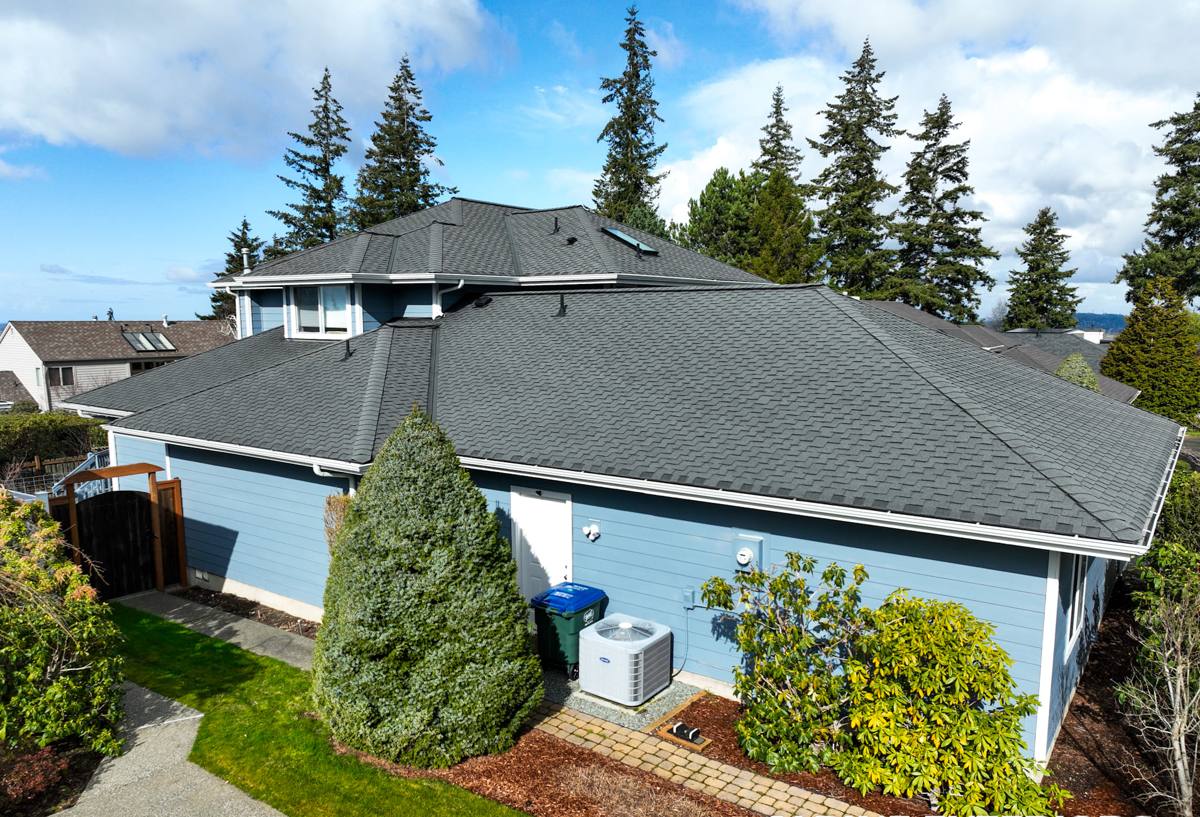
What This Climate Does to a Deck
Salt air speeds up corrosion on anything metal — screws, joist hangers, bolts, and railing hardware all take a hit if they aren't rated for it. Driving rain doesn't just fall straight down; wind pushes it sideways and up under railings, ledger boards, and stair stringers, finding gaps that a calmer climate would never expose. And moss doesn't need much — a shaded corner, a spot that stays damp a day or two longer than the rest of the deck, and it's established. Left alone, moss holds moisture against the wood surface and turns boards slick and dangerous underfoot.
None of this means a deck in Terrell Creek is doomed to rot or fall apart. It means the build has to account for these conditions from the design stage, not patch around them later. A deck built the same way you'd build one in a dry inland town will show problems here years before it should.
The Three Things That Fail First
- Fasteners — standard or under-rated screws and hangers corrode, streak the decking with rust stains, and lose holding strength over time.
- Ledger board connections — where the deck attaches to the house is the single most common source of hidden rot if it isn't flashed and sealed correctly.
- Low-airflow framing — joists and beams that sit too close to the ground or don't get enough air movement underneath stay damp longer and grow mold, rot, and moss.
Decking Material Options
There's no single "best" decking material — the right choice depends on budget, how much upkeep you're willing to do, and how much sun or shade the deck gets. Here's an honest comparison of what we typically install or discuss with Terrell Creek homeowners.
| Material | Upfront Cost | Maintenance | How It Handles This Climate |
|---|---|---|---|
| Pressure-treated wood | Lowest | Annual cleaning, periodic sealing/staining | Affordable and repairable, but needs consistent upkeep or moss and graying set in fast near the water |
| Cedar | Mid | Regular sealing to hold color and resist moisture | Naturally rot-resistant and handles damp conditions well, but still needs maintenance to look its best |
| Composite decking | Higher | Occasional washing, no staining or sealing | Very good moisture resistance and won't rot; still benefits from periodic cleaning to keep moss and algae from gripping the surface texture |
| PVC decking | Highest | Lowest — occasional washing | Fully synthetic, doesn't absorb water, best long-term option where budget allows |
We don't push any one product line. Composite and PVC decking cost more up front, but for a deck that's going to sit in coastal moisture and shade for the next 20-30 years, the lower maintenance often pays for itself in time and effort saved. Wood is a completely reasonable choice too, as long as the upkeep schedule is realistic for your household.
What's Under the Boards Matters More Than the Boards
A homeowner picking decking material is choosing what they'll see and walk on. But the framing underneath — the part nobody looks at after the build is done — is what determines whether the deck lasts fifteen years or forty. This is where corners get cut on lower-quality jobs, because it's invisible once the decking goes down.
What We Do Differently in the Framing
- Ledger boards flashed properly where the deck meets the house, so water is directed away from the wall rather than trapped behind it
- Joist tape or comparable protection on top of framing lumber to keep standing water from soaking into end grain and fastener holes
- Corrosion-resistant fasteners and connectors rated for coastal/treated-lumber contact, not standard hardware store screws
- Adequate clearance and airflow underneath the deck so framing can dry out between rain events instead of staying damp
- Footings set to proper depth and bearing for our soil and frost conditions, not just poured to a minimum
These items add a little time and a little cost to a build. They're also the difference between a deck that needs major structural repair in year eight and one that's still solid at year thirty.
Railings, Stairs, and Hardware
Railings and stair components take the worst of the wind-driven rain because they're the first thing exposed on an open deck. We pay close attention to how railing posts are anchored, how stair stringers are protected at the ground contact points, and what hardware is used throughout — stainless or heavily coated fasteners hold up far longer near the water than standard galvanized options, especially where two dissimilar metals are in contact and can accelerate corrosion.
Code also requires specific railing heights, baluster spacing, and stair rise/run dimensions for safety — we build to current code as a baseline, not a suggestion, on every deck regardless of size.
Our Deck Building Process
Every deck starts with a conversation about how you actually plan to use the space — entertaining, grilling, a quiet spot off a bedroom, accessibility for aging in place. That shapes size, layout, and railing choices before any material gets picked.
- Site visit and assessment — we look at grade, drainage, sun/shade exposure, and how the deck will tie into the house
- Design and material selection — layout, decking material, railing style, and a clear written estimate before anything is ordered
- Permitting — we handle the permit application and inspections required for the build
- Demolition/removal if an old deck is coming out first
- Framing and structural work — footings, ledger flashing, joists, and connections built to hold up in this climate
- Decking, railing, and stairs installed
- Final walkthrough — we go over the finished deck with you and explain any maintenance specific to the material you chose
Permits and Local Code
Most new decks and many significant deck replacements in Whatcom County require a building permit, particularly once a deck exceeds a certain height above grade or is structurally attached to the house. Requirements can vary depending on the specifics of your property and the scope of work. We handle the permitting process as part of the build so you're not left navigating that paperwork or scheduling inspections on your own.
Maintenance Checklist for Terrell Creek Decks
Whatever material you choose, a little seasonal attention goes a long way in this climate. Here's what we recommend to every homeowner after a build:
- Sweep debris and standing leaves off the deck regularly, especially in shaded corners where moss starts first
- Rinse or wash the surface at least once or twice a year to clear salt residue, pollen, and early algae growth
- Check railing posts and stair connections annually for looseness or corrosion at fastener points
- Reseal or restain wood decking on the schedule appropriate for the product — don't wait until it's visibly graying
- Keep gutters and downspouts near the deck clear so runoff isn't dumping extra water onto or under the structure
- Trim back vegetation that shades the deck surface and slows drying after rain
Why Local Experience Matters for This Job
A deck contractor who mostly works dry, inland sites will build to a different standard than one who works this stretch of the Whatcom County coast regularly. It's not about skill — it's about knowing, from repeated experience, exactly where salt air and driving rain cause problems on a deck built here, and building past those failure points from the start rather than learning it on your project. We work in Birch Bay and the surrounding communities, including Terrell Creek, and we build every deck to hold up against the specific conditions this area sees.
If you're planning a new deck or replacing one that's showing its age, we're happy to come take a look and walk you through honest options for your budget and how you'll use the space. Reach out for a free, no-pressure estimate using the form below.