 Birch Bay Siding
 Window Replacement for Sumas Homes, From a Crew That Already Works This Corner of Whatcom County
Sumas sits in a different weather pocket than the coast, but it shares the same underlying problem every window in Whatcom County eventually runs into: moisture that doesn't let up. Between the driving rain off the Salish Sea, salt-laden air that travels further inland than most homeowners expect, and a moss season that can stretch from October into May, windows here take a beating that drier climates never see. We work Birch Bay and the surrounding Sumas area regularly, and the patterns repeat house after house — failed seals, fogged glass, soft framing, and windows that were installed correctly for a different climate but never really belonged here.
This page is about one job, done right, in one area: replacing windows on homes in and around Sumas. Not a general overview of every siding or roofing service we offer — just what a correct window replacement looks like for this specific stretch of Whatcom County, and why the details matter more here than they would somewhere drier.
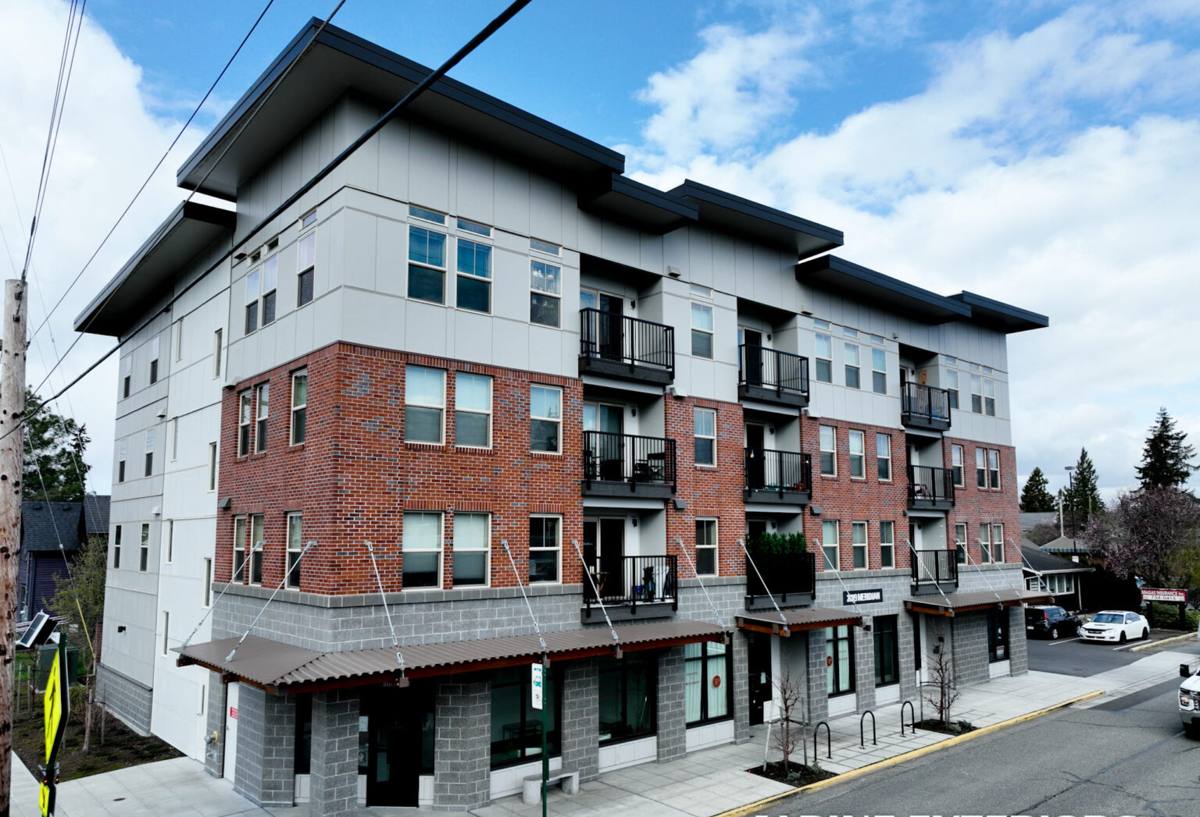
Why Sumas Windows Wear Differently Than Windows Inland or in Drier Climates
Whatcom County's marine-influenced climate means near-constant humidity, long stretches of wind-driven rain, and temperature swings that keep condensation cycling on glass and frames for months at a time. A few things stand out specifically for Sumas and the Birch Bay area:
Salt Air Travels Further Than People Think
Homeowners assume salt corrosion is a beachfront problem. In practice, coastal air moves inland with prevailing winds and settles into window hardware, screen frames, and metal flashing well beyond the waterfront. Over years, that means pitted hardware, corroded screen clips, and — on older aluminum-frame windows — frames that pit and seize.
Driving Rain Finds Every Weak Seal
Wind-driven rain doesn't just sit against glass, it gets pushed sideways and upward into gaps that would never see water in a calmer climate. A window that's been installed with a marginal seal or the wrong flashing sequence will often perform fine for a few dry summers, then start showing interior staining or sill rot the first winter it takes a real storm.
A Long Moss and Mildew Season
Shaded exposures — common on wooded Whatcom County lots — stay damp for months. Moss and algae don't just grow on roofs and siding; they colonize window sills, tracks, and exterior trim, holding moisture against wood and vinyl long after the rain stops. That constant dampness is what turns a small caulking gap into a rotted sill over a few seasons.
Signs a Sumas Home Is Overdue for Window Replacement
Most window failures don't announce themselves with a cracked pane. They show up as small, easy-to-ignore symptoms first. If you're seeing more than one or two of these, it's worth having the windows actually inspected rather than just re-caulked.
- Fogging or a permanent haze between double-pane glass — the seal has failed and the gas fill is gone
- Visible gaps, soft spots, or dark staining on wood sills or exterior trim
- Windows that are noticeably harder to open, close, or lock than they used to be
- Cold drafts near the frame even when the window is fully latched
- Condensation forming on the inside of the glass during cold, wet stretches
- Visible moss or algae buildup on the sill or in the track that keeps returning after cleaning
- Noticeable outside noise (traffic, wind) that didn't used to come through
- Paint or finish peeling specifically around the window opening, not the rest of the wall
What a Correct Window Replacement Job Actually Involves
Replacing a window is not just unscrewing the old unit and dropping in a new one. In a wet climate, most long-term failures trace back to shortcuts taken during installation, not the window product itself. A correct job includes:
Removing Down to the Rough Opening
We check the framing and sheathing behind the old window for rot or moisture damage before anything new goes in. Installing a new window over a compromised opening just hides the problem for a few more years.
Sill Pan and Flashing, Sequenced Correctly
Water management is the single biggest factor in how long a window lasts in this climate. A sloped sill pan and properly lapped flashing — installed in the right order relative to the house wrap and siding — is what actually keeps wind-driven rain from getting behind the window. This step gets skipped more often than homeowners realize, because it doesn't show once the trim goes back on.
Insulating the Gap Without Overpacking It
The gap between the window frame and rough opening needs low-expansion foam or backer rod and sealant — not a solid pack of standard foam, which can bow the frame and cause the window to operate poorly within a year.
Exterior Sealant and Trim Tie-In
The exterior seal has to tie back into the surrounding siding or trim cleanly. This is also the natural point to address any siding damage immediately around the opening, since it's already exposed.
Full-Frame Replacement vs. Insert (Pocket) Replacement
One of the first decisions on any window job is whether to replace the full frame or install a new window inside the existing frame. Both are legitimate options — the right call depends on the condition of what's already there.
| Factor | Insert (Pocket) Replacement | Full-Frame Replacement |
|---|---|---|
| Best when | Existing frame is square, dry, and structurally sound | Frame shows rot, water damage, or is out of square |
| Labor and disruption | Faster, less disturbance to interior and exterior trim | More labor; siding and trim around the opening are opened up |
| Glass area | Slightly reduced viewable glass due to the retained frame | Full original glass area restored |
| Moisture management | Relies on the condition of the existing sill and flashing | Sill pan and flashing rebuilt from scratch — best option after moisture damage |
| Long-term outlook in this climate | Good, if the existing frame is genuinely sound | More reliable when there's any doubt about hidden rot |
We won't sell a pocket replacement over a rotted frame just because it's the cheaper, faster job. If the opening isn't sound, we'll tell you before work starts, not after the new window is already in.
Materials and Glass That Make Sense for This Climate
Window material matters less than correct installation, but it's still worth choosing deliberately for a marine climate with salt air and heavy rain exposure.
Frame Material
Vinyl frames are the most common choice for good reason — they don't corrode from salt air, don't need repainting, and handle moisture cycling well. Fiberglass is a step up in dimensional stability and is worth considering on larger openings or south/west exposures that see more thermal movement. We steer away from bare aluminum frames for coastal-influenced homes; aluminum conducts cold, sweats on the interior in our humidity, and is the material most prone to the pitting and corrosion salt air causes over time. That's a maintenance and performance trade-off we're upfront about, not a knock on any specific manufacturer.
Glass Packages
Double-pane, low-E glass with argon fill is the practical baseline for this region — it manages both heat loss in winter and glare/heat gain in the brief warm stretches. Triple-pane is worth the upgrade on exposures that catch the worst of the wind and rain, or where street noise is a factor, but it's not necessary on every opening.
Hardware
Corrosion-resistant hardware (not standard steel) is worth specifying given how far salt air travels inland here. It's a small cost difference that avoids seized locks and stiff cranks a few years in.
Our Process for a Sumas Window Replacement
- Walkthrough and assessment — we look at each window's frame condition, current performance, and how exposed it is to wind and rain, not just its age.
- Honest recommendation — insert vs. full-frame, material and glass options, and which windows can wait versus which need attention now.
- Written estimate — itemized by window, with the reasoning behind each recommendation so you're not guessing at what you're paying for.
- Removal and opening inspection — old units come out, and we check the sheathing and framing before anything new is set.
- Correct flashing and sill pan installation — the step that actually determines how the window performs in wind-driven rain.
- Setting, shimming, and insulating — the window is leveled, squared, and insulated without overpacking the gap.
- Exterior sealant and trim tie-in — sealed and blended back into the surrounding siding or trim.
- Final walkthrough — every window operates, locks, and seals correctly before we consider the job done.
Why Hiring a Crew That Already Works Sumas Matters
Window replacement isn't identical everywhere. A crew that mostly works drier inland climates can do fine carpentry and still under-flash a window, because the failure mode they're used to guarding against is different. Working Birch Bay and the surrounding Whatcom County area regularly means we're used to building for wind-driven rain and long damp stretches as the default condition, not the exception. It also means we're familiar with the local permitting expectations and the kind of framing and siding conditions common to homes in this area, so there are fewer surprises once we open up an opening.
There's also a practical benefit to hiring a siding contractor for window work specifically: window openings and siding meet at the same seams. When the same crew handles both, the trim and flashing tie-in happens as one continuous water-management plan instead of two separate trades each assuming the other handled it.
What Affects the Cost of a Window Replacement
We won't quote a number without seeing the windows, but these are the factors that actually move the price on a Sumas-area job:
| Factor | Why it matters |
|---|---|
| Full-frame vs. insert | Full-frame involves more labor, materials, and often exterior siding repair |
| Frame material and glass package | Vinyl vs. fiberglass, and double- vs. triple-pane, carry different material costs |
| Window size and count | Larger openings and whole-house jobs have different labor and material scaling than one or two windows |
| Hidden rot or framing damage | Discovered once the old window is out — this is why an honest inspection during the estimate matters |
| Access and second-story work | Upper-floor or hard-to-reach windows require more setup time and equipment |
Most homeowners find full-frame replacements land in the low-to-mid four figures per window installed, with insert replacements typically running less — but window size, glass package, and any hidden repair work can move that meaningfully in either direction. The only way to get a real number is a walkthrough.
Keeping New Windows Performing in a Wet Climate
- Clear moss, leaves, and debris from sills and tracks each fall before the rainy season sets in
- Rinse salt residue off frames and hardware periodically if you're within a few miles of the water
- Check exterior caulking annually — UV and freeze-thaw cycles break it down faster here than in drier climates
- Operate locking hardware a few times a year even on windows you rarely open, to keep it from seizing
- Watch for condensation patterns that change over time — a sudden increase can signal a developing seal issue
New windows, installed correctly, shouldn't need much beyond that. If you're seeing recurring moisture problems on a recently installed window, that's usually an installation issue worth having looked at rather than something to just live with.
If you're weighing whether your Sumas-area home needs a window or two replaced, or a full-house update, we're happy to take a look and give you a straight answer — including telling you if a window still has good years left. Use the form below to request a free, no-pressure estimate.