 Birch Bay Siding
 Why Nooksack Roofs Take a Different Kind of Beating
Nooksack sits inland from the coast, but it still falls squarely inside the weather pattern that defines this corner of Whatcom County: moist marine air pushing in off the water, long stretches of driving rain, and a moss season that can run from early fall through late spring. Add in the mature tree cover common to this part of the county and you get roofs that stay damp far longer after a storm than roofs in drier climates ever would. That constant dampness is the root cause behind most of the repair calls we get out this way — it's rarely one dramatic failure, and almost always a slow buildup of moisture finding a way in.
None of this means a roof in Nooksack is doomed to fail early. It means the roof has to be maintained and repaired with that moisture load in mind, using methods that actually hold up here rather than generic fixes that work fine in a drier region but don't last through a Whatcom County winter.
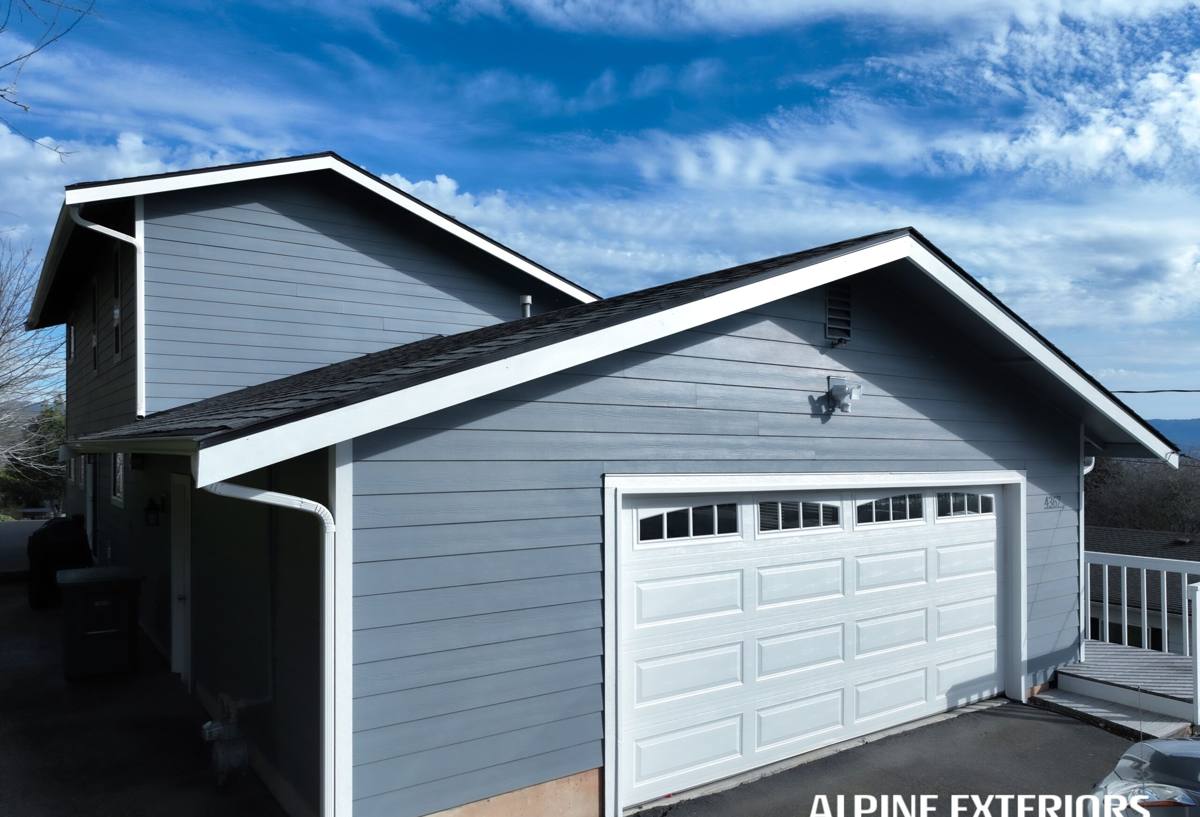
What "Roof Repair" Actually Means for a Home Out Here
Roof repair is targeted work on a roof that's still structurally sound — it is not a substitute for replacement once the decking, framing, or a large share of the roofing material has failed. A proper repair addresses the specific point of failure and the conditions around it, not just the visible symptom. That can include:
- Replacing individual damaged or missing shingles, shakes, or panels
- Resealing and re-flashing around chimneys, vents, skylights, and roof-to-wall junctions
- Patching or replacing failed underlayment in a localized area
- Correcting sagging, soft, or spongy spots caused by trapped moisture
- Removing moss and treating the surface to stop regrowth and organic damage
- Clearing valleys, gutters, and drainage paths that are forcing water backward under the roofing material
A repair that only patches the surface without dealing with the underlying moisture path is a repair that fails again within a season or two. That's the standard we hold every job to.
Common Roof Problems We See in This Climate
Moss and Organic Growth
Moss doesn't just look bad — it holds water against the roofing material around the clock and works its root structure under shingle edges and into fastener lines. On north-facing slopes and shaded sections, which are common under the tree canopy around Nooksack, moss can take hold within a year or two of a roof going untreated.
Flashing and Penetration Failures
Every chimney, vent pipe, and skylight is a break in the roofing surface, sealed with flashing. Flashing sealant degrades with UV and temperature cycling, and once it cracks, driving rain finds that gap fast. This is one of the most common sources of interior leaks we trace back on repair calls.
Gutter and Valley Backups
Needles, leaves, and moss debris collect in valleys and gutters year-round here. When water can't drain, it backs up under the shingle edge instead of running off — a slow leak that often shows up as a stain on an interior ceiling well after the actual entry point formed.
Wind-Driven Rain Intrusion
Storms coming off the water don't just drop rain straight down — they drive it sideways under ridge caps, around exposed fastener heads, and into any lifted or curled shingle edge. A roof that would shed a light rain fine can still leak in a wind-driven storm if edges and fasteners aren't tight.
Aging or Moss-Damaged Shingles
Composition shingles that have spent years under repeated moss growth lose granules and become brittle. They may still look intact from the ground while being fragile enough to crack under foot traffic or storm impact.
Roofing Materials and How They Hold Up to Repair in This Region
What a roof is made of changes both how often it needs repair and how that repair should be done. Here's how the common options compare for homes in this part of Whatcom County:
| Material | Typical Lifespan Here | Moss Resistance | Repair Complexity |
|---|---|---|---|
| Composition (asphalt) shingle | 18-25 years | Moderate — needs periodic moss treatment | Low to moderate; individual shingles replace cleanly |
| Metal panel | 40+ years | High — sheds moisture, little for moss to hold onto | Moderate; panel and seam repairs require matching materials |
| Cedar shake/shingle | 20-30 years with upkeep | Low — absorbs moisture, prone to moss without treatment | Higher; individual shakes are labor-intensive to match and replace |
Composition shingle is what we repair most often out here simply because it's the most common material on existing homes. When a shake roof does need repair, the honest trade-off to know going in is that shakes demand more frequent moss and moisture maintenance than the other two options — that's a maintenance reality of the material in a wet climate, not a knock on any manufacturer.
Our Roof Repair Process
- Inspection. We look at the roof from the ground and, where it's safe to do so, up close — checking flashing, valleys, ridge lines, penetrations, and the underside in the attic where accessible for moisture staining.
- Diagnosis, not guesswork. We trace leaks to their actual entry point rather than repairing wherever the stain shows up inside, since water often travels along framing before it drips.
- A clear, written scope. Before any work starts, you get a plain explanation of what's failing, what we recommend, and what it costs — including whether repair is even the right call versus a larger fix.
- The repair itself. Matching materials as closely as possible, proper flashing technique, and correct underlayment integration so the fix ties into the existing roof system rather than sitting on top of it.
- Cleanup. Old material, moss debris, and fasteners are cleared from the roof and gutters before we leave — leaving debris behind just recreates the drainage problem you called us for.
- Follow-up. For anything storm-related or if there's any doubt about whether a fix fully resolved the issue, we check back after the next significant rain.
Signs You Need a Repair Now vs. Something to Watch
Not every roof issue is an emergency, but knowing which is which keeps a small problem from becoming a bigger, more expensive one.
- Call now: active dripping or a visible ceiling stain that's spreading, daylight visible through the roof deck from the attic, shingles that have blown off or are clearly lifted, sagging in any section of the roof plane
- Call now: water intrusion around a chimney or skylight during or right after a storm
- Schedule soon: heavy moss coverage on shaded slopes, granule buildup in gutters, cracked or curling shingles without an active leak yet, gutters overflowing during moderate rain
- Monitor: minor moss on a sun-exposed slope, small isolated shingle wear with no interior signs of moisture
Repair vs. Replacement: Making the Right Call
The honest answer isn't always "repair" — sometimes a repair is throwing money at a roof that's past the point of targeted fixes. Here's how we weigh it:
| Factor | Repair usually makes sense | Replacement is the honest recommendation |
|---|---|---|
| Age of roof | Under roughly 15-18 years (composition) | Near or past expected lifespan for the material |
| Extent of damage | Isolated to one area or one cause | Multiple unrelated failure points across the roof |
| Decking condition | Solid, no rot found during inspection | Soft, delaminated, or rotted decking present |
| Moss/moisture history | First significant treatment or isolated regrowth | Long-term untreated moss with granule loss throughout |
We'll tell you plainly which category your roof falls into. A repair quote on a roof that actually needs replacement isn't doing you any favors — it just delays a bigger expense while the underlying problem keeps spreading.
Why a Crew That Already Works in Nooksack Matters
Roofing problems here follow patterns that are specific to Whatcom County's climate and terrain — which slopes hold moss longest, how far wind-driven rain travels under a ridge cap in a coastal storm, which flashing details fail first under repeated freeze-thaw and rain cycling. A crew that repairs roofs across this region day in and day out recognizes these patterns quickly instead of treating every job as a first guess.
There's also a practical side: local crews know the permitting expectations for Whatcom County, can respond faster when a leak is active, and have a track record in the area that you can actually check on — not a name that showed up after a storm and will be gone by the next one. When you're trusting someone to get up on your roof, that kind of accountability matters as much as the technical skill.
Keeping a Repaired Roof From Needing Repair Again
A good repair buys you time, but this climate doesn't let a roof coast for long. A simple maintenance rhythm keeps small issues from becoming the next repair call:
- Moss treatment or physical removal on shaded slopes at least once a year, ideally before the wet season sets in
- Gutter and valley clearing at minimum in fall after leaf drop and again in late winter
- A visual roof check after any major windstorm to catch lifted shingles before the next rain finds them
- An inspection every couple of years even with no visible problems, since flashing sealant and underlayment degrade before they show symptoms
None of this requires getting on the roof yourself — most of it can be assessed from the ground or handled quickly during a routine visit.
Get a Straight Answer on Your Roof
If you're dealing with a leak, moss buildup, or just want an honest read on what shape your roof is in, we're glad to take a look. The estimate is free, there's no pressure to act on it right away, and you'll get a plain explanation of what we find — whether that's a simple repair or something bigger. Use the form below to get started.