 Birch Bay Siding
 Storm Damage Roof Repair for Nooksack Homes
Nooksack sits in a part of Whatcom County that takes a real beating over the course of a year. Wind off the water pushes rain sideways under eaves and flashing, salt-laden air works on metal fasteners and flashing faster than it would inland, and a long stretch of overcast, damp months keeps moss and moisture in constant contact with the roof surface. None of that shows up as one dramatic failure most of the time. It shows up as a slow leak that starts three storms before anyone notices the stain on the ceiling.
We repair storm-damaged roofs for homeowners in Nooksack and the surrounding area, and most of the calls we get fall into two categories: a specific storm event that lifted shingles or drove a branch through a section of roof, or a homeowner who noticed a leak after a bad weekend of weather and wants to know how bad it actually is underneath. Both deserve the same thing — an honest look at what's actually damaged, not just what's visible from the ground.
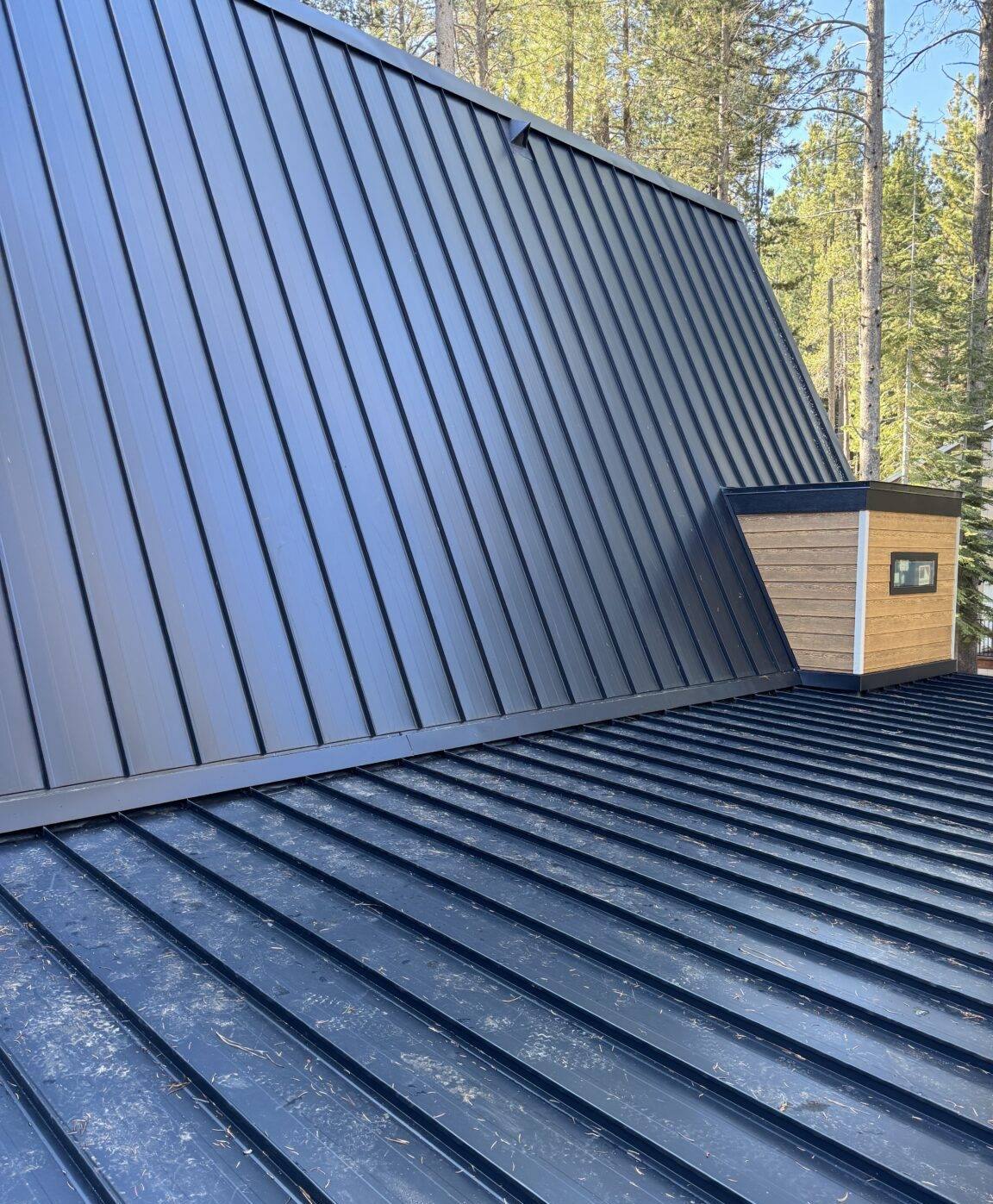
What Whatcom County Weather Does to a Roof Over Time
A single storm rarely destroys a roof outright. What it usually does is create small openings — a lifted shingle tab, a cracked pipe boot, a seam in the flashing that opens up a sixteenth of an inch — that then let water in during every storm that follows. In a climate with driving rain and a lot of wet months, that's a serious problem, because the wood underneath doesn't get much chance to dry out between events.
Wind and Driving Rain
Wind-driven rain doesn't behave like a straight-down rainstorm. It gets pushed up and under shingle edges, into vent flashing, and around chimney and skylight curbs. A roof that would shed a normal rain without issue can still leak in a wind event if the flashing details weren't installed with that in mind.
Salt Air and Metal Fatigue
Being close to the water means metal flashing, fasteners, and any exposed hardware corrode faster than they would further inland. Corroded fasteners back out, corroded flashing thins and eventually perforates. It's a slow process, but storms accelerate it by flexing already-weakened material.
Moss and Moisture
Whatcom County's moss season runs long. Moss holds moisture against the roof surface, works its way under shingle edges as it grows, and lifts shingles slightly as it thickens — which is exactly the kind of small gap that wind-driven rain exploits during the next storm. A roof with heavy moss going into storm season is a roof that's already compromised before the wind even picks up.
Signs You Have Storm Damage
Some damage is obvious. A lot of it isn't, especially from the ground. Here's what we tell homeowners to check after any significant wind or rain event:
- Shingle tabs that look lifted, curled, or are missing outright
- Granules collecting in gutters or at downspout outlets
- Soft or discolored ceiling patches, especially near chimneys, skylights, or where roof planes meet
- Visible daylight through the attic roof deck
- Bent, dented, or missing flashing around vents, chimneys, and valleys
- Debris — branches, fence sections, neighbor's shingles — that landed on the roof during the storm
- Gutters pulled away from the fascia or sagging under debris weight
- A musty smell in upper rooms or the attic that wasn't there before
Any one of these is worth a call. None of them tell you the full extent of the damage on their own — that takes someone on the roof and in the attic.
What a Correct Storm Damage Repair Actually Involves
The difference between a repair that lasts and one that leaks again next season usually comes down to what happens underneath the shingles, not the shingles themselves.
Checking the Decking, Not Just the Surface
Water that's been getting into a roof for more than one storm cycle often reaches the plywood or OSB decking. If the decking has gone soft, spongy, or delaminated, replacing shingles over it without addressing the deck just buries the problem. A correct repair means pulling back far enough to see the deck condition, not just patching what's visible at the damage site.
Flashing and Ventilation
Most roof leaks that get blamed on "bad shingles" are actually flashing failures — around chimneys, skylights, sidewalls, and valleys. We check all of it during a storm repair, because a new shingle patch next to failing flashing will leak again at the next wind-driven rain event. Ventilation matters here too: a roof that traps moisture underneath dries out slower after a storm, which extends the window where mold and rot can take hold.
Matching Materials, Not Just Color
When we patch a section, we match not just the shingle color and style but the underlying layers — underlayment weight, fastening pattern, and flashing gauge — so the repaired section performs the same as the rest of the roof, not like a weaker patch stitched into a stronger field.
Repair vs. Replacement: How We Make the Call
Not every storm-damaged roof needs full replacement, and not every roof can be reasonably patched. The honest answer depends on the roof's age, how widespread the damage is, and what we find once we're actually up there.
| Factor | Favors Repair | Favors Replacement |
|---|---|---|
| Roof age | Under 10-12 years, rest of roof in good shape | Near or past expected service life |
| Extent of damage | Localized to one section or slope | Damage spread across multiple slopes |
| Decking condition | Solid, no soft spots found | Widespread soft or delaminated decking |
| Moss/moisture history | Minimal moss, roof stays relatively dry | Heavy moss buildup across most of the roof |
| Material availability | Matching shingles still available | Discontinued product, poor color/style match |
We'll always tell you honestly which side of that table your roof falls on, including when a repair is the right call and a full replacement would be spending more than the situation calls for.
Our Storm Damage Repair Process
Inspection and Documentation
We start on the roof and in the attic, photographing damage from both sides. This documentation matters if you're filing an insurance claim — adjusters work faster and more fairly with clear photo evidence of the damage tied to a specific event.
Temporary Protection
If there's an active leak or an open section, we get it covered the same visit when possible. A tarp or temporary patch that actually holds in wind is worth far more than one that looks fine until the next storm pulls it loose.
The Repair
Once we know the extent of the damage, we do the actual repair — deck replacement where needed, new underlayment, matched shingles or roofing material, and rebuilt flashing details at every vulnerable point we found during inspection.
Insurance Coordination
Where a claim is involved, we provide the documentation and scope of work adjusters need, and we're straightforward about what's storm damage versus what's pre-existing wear — that distinction matters for your claim and for your own understanding of the roof's condition going forward.
Why a Crew That Already Works in Nooksack Matters
A contractor who works Whatcom County regularly already knows what this climate does to roofs over a full year, not just during one bad storm. That means we're not guessing at how much moss buildup is normal for this area, what flashing details actually hold up against wind-driven rain off the water, or how corrosion-prone hardware behaves in salt air over a few seasons. It also means we're not disappearing after the repair — we're still a local call away if something needs a second look after the next storm season.
After-storm demand brings in traveling crews every year who do a quick patch and move on before the next region's storm season starts. Those repairs sometimes hold for a season, sometimes don't, and there's no one local to call back either way.
Keeping a Repaired Roof From Failing Again
A storm repair is only as good as the maintenance that follows it. A few habits go a long way in this climate:
- Clear moss buildup before it thickens, rather than after it's already lifted shingle edges
- Keep gutters and downspouts clear so water isn't backing up under the roof edge
- Trim back branches that could come down in the next wind event
- Have flashing and vent boots checked every couple of years, since they wear out faster than shingles
- Address small leaks immediately rather than waiting for the next storm to make them worse
If your roof has taken damage from a recent storm, or you've noticed signs of one and want a straight answer on what it needs, we're happy to come take a look. The estimate is free, there's no pressure attached to it, and you'll get a clear explanation of what we find — simply fill out the form below to get started.