 Birch Bay Siding
 Storm Damage Roof Repair Built for Cottonwood Beach
Cottonwood Beach sits right up against the water along Birch Bay, which means homes here take a different kind of beating than houses a few miles inland. Wind off the bay drives rain sideways into roof edges and valleys, salt air works on metal flashing and fasteners year-round, and the long stretch of wet, shaded months lets moss and moisture sit on shingles far longer than it should. When a storm rolls through, the damage it leaves behind on a Cottonwood Beach roof often looks different from what we'd find on a similar house in Blaine or Ferndale, and it needs to be diagnosed with that in mind.
This page covers exactly one job: storm damage roof repair for homes in and around Cottonwood Beach. Not a full roof replacement pitch, not a general contractor overview — just what it takes to properly assess and repair a storm-damaged roof on a Whatcom County waterfront property, and why the details matter more here than they would somewhere drier and further from the shoreline.
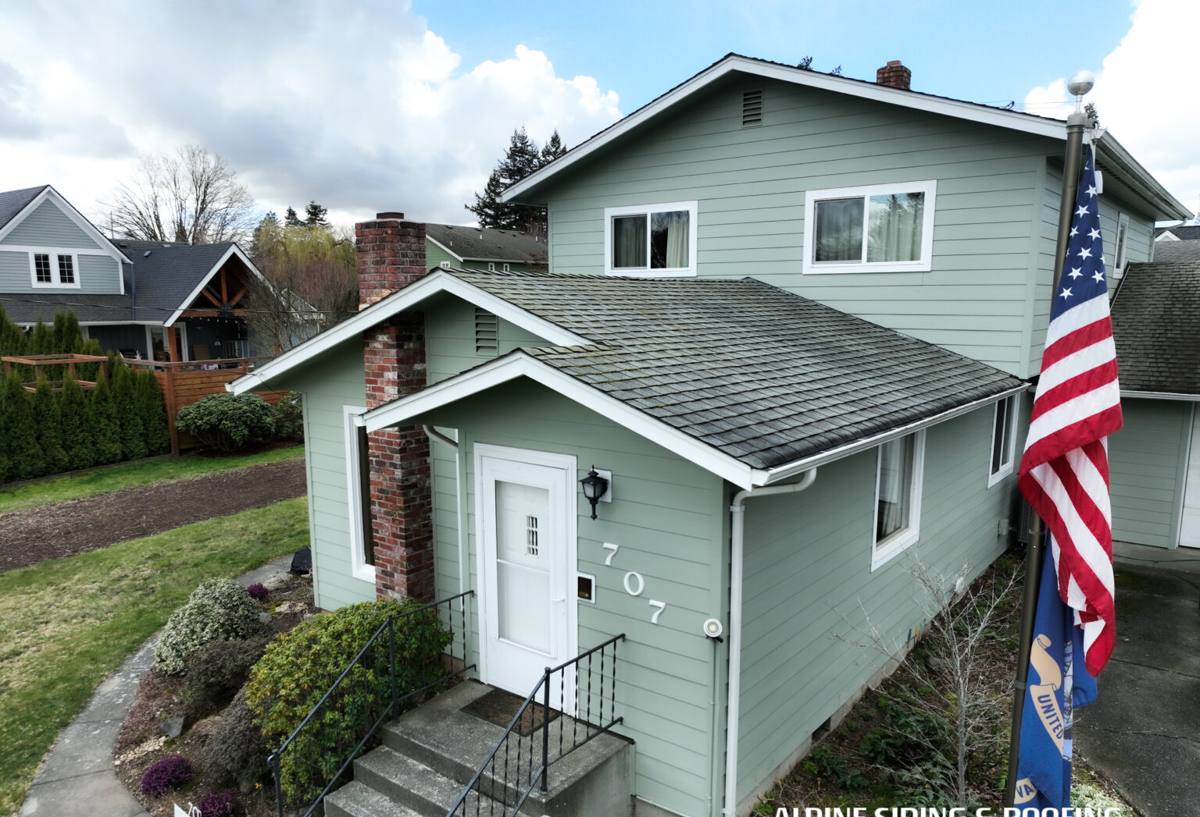
Why Storm Damage Behaves Differently Near the Water
Wind-Driven Rain Finds the Weak Points
A storm off the Strait of Georgia doesn't just drop rain straight down — it pushes it sideways and even upward under eaves and around ridge caps. On a typical inland roof, water sheds off the surface and away from the house. Near Cottonwood Beach, wind-driven rain gets forced into gaps that would normally stay dry: nail holes, lifted shingle tabs, and flashing seams around chimneys and vents. A roof that's held up fine for years can suddenly leak after one bad storm simply because the wind direction pushed water into a spot it's never reached before.
Salt Air Accelerates Wear on Fasteners and Flashing
Salt-laden air corrodes exposed metal faster than it would inland — nail heads, flashing edges, gutter fasteners, and any exposed screws on vents or skylights. Corrosion weakens a fastener's grip long before it's visibly rusted through, which is part of why a roof that "looks fine" from the ground can still fail during high winds. After a storm, we're not just looking for obvious damage; we're checking whether fasteners and flashing have been quietly losing their hold over time.
A Long Moss Season Hides Problems
Whatcom County's wet season stretches long, and shaded roof sections in Cottonwood Beach can stay damp for weeks at a time. Moss and algae growth on those sections traps moisture against the shingle surface, which softens the material and lifts edges — exactly the kind of weak spot a storm will exploit. A roof with moss buildup going into a storm is far more likely to develop a leak than a clean one, even if the storm itself wasn't unusually severe.
What Storm Damage Actually Looks Like on a Cottonwood Beach Roof
Homeowners usually notice one of two things after a storm: an active leak inside the house, or visible damage on the roof itself. But a lot of storm damage isn't obvious from the ground, which is why an on-roof inspection matters more here than a drive-by look.
- Shingles that are cracked, torn, curled, or missing entirely, especially on the side of the roof that faces the prevailing wind off the bay
- Lifted or creased shingle tabs where wind got underneath but didn't fully tear the shingle off
- Flashing pulled loose or bent around chimneys, skylights, and roof-to-wall transitions
- Granule loss showing up in gutters or downspouts, a sign the shingle surface has been abraded
- Debris punctures or dents from branches, especially under or near overhanging trees
- Soft, spongy-feeling decking under a walked section, indicating water has already gotten past the shingles
- Water stains, discoloration, or bubbling paint on interior ceilings, often the first thing an owner actually sees
- Gutter or downspout separation from wind load, which redirects water back toward the fascia and roof edge
Some of these are urgent — a soft deck or an active interior leak needs attention right away. Others, like minor granule loss or a slightly lifted tab, are worth fixing promptly but aren't an emergency. Part of our job is telling you honestly which is which.
Our Storm Damage Repair Process
1. Roof-Level Inspection, Not a Ground Survey
We get on the roof rather than relying on binoculars or drone photos alone. Wind and salt-air damage is often only visible up close — a lifted tab, a hairline crack in flashing sealant, or a slightly backed-out nail won't show from the yard. We check the whole roof, not just the area where the leak showed up inside, because storm damage is rarely limited to one spot.
2. Honest Damage Assessment
We tell you what's actually storm damage versus what's pre-existing wear that the storm simply exposed. This matters for insurance purposes and for your own decision-making — you deserve to know whether you're dealing with a one-time repair or a roof that's nearing the end of its useful life and will keep having problems.
3. Targeted, Correct Repair
We match shingle repairs to the existing roofing as closely as possible, re-secure or replace damaged flashing with corrosion-resistant fasteners suited to a coastal environment, and check the decking underneath any area that showed signs of water intrusion. A repair that only addresses the surface layer without checking what's underneath isn't a repair that will hold up through the next storm.
4. Documentation for Insurance
If you're filing a homeowner's insurance claim, we document the damage with clear photos and a written scope of work before repairs begin. This is often the difference between a claim that gets approved smoothly and one that gets questioned.
Repair vs. Replacement: How We Help You Decide
Not every storm-damaged roof needs to be replaced, and not every roof can be reasonably patched. The right call depends on the roof's age, how widespread the damage is, and whether the underlying decking is still sound.
| Factor | Leans Toward Repair | Leans Toward Replacement |
|---|---|---|
| Roof age | Under 12-15 years, otherwise in good shape | Near or past typical service life for the material |
| Extent of damage | Isolated to one section or slope | Spread across multiple slopes or the whole roof |
| Decking condition | Solid, no soft spots found | Soft, delaminated, or water-stained decking |
| Storm history | First significant damage in years | Repeated storm damage in recent seasons |
| Moss/algae condition | Minor, easily cleaned | Heavy, longstanding growth affecting shingle integrity |
We'll walk you through where your roof falls on this table and give you a straight answer, not an upsell. A well-executed repair on a roof with years of life left is the right call far more often than a full tear-off.
Working With Insurance Claims
Storm damage claims move faster and get approved more consistently when the documentation is clear and the scope of work is specific. We provide photo documentation and a written estimate that adjusters can work from directly, and we're available to answer an adjuster's questions about what we found and why it needs to be addressed.
Why It Matters to Hire a Crew That Works Cottonwood Beach Regularly
A roofer who mainly works inland properties may not be looking for the specific failure patterns that show up on homes exposed to bay wind and salt air. We work in Cottonwood Beach and along the rest of the Birch Bay shoreline regularly enough to know which roof sections tend to fail first, which flashing details hold up and which don't in this environment, and how the local moss season affects timing — repairs done before the wet season sets in hold up far better than ones rushed through mid-winter.
We're also familiar with the practical side of working this area: navigating the tighter beachfront lots, coordinating around seasonal traffic in summer months, and scheduling storm repairs promptly when a nor'wester or a winter system has just come through and multiple homes in the area need attention at once.
What a Correct Storm Repair Should Include
- Full roof-level inspection, not just the area of the reported leak
- Matching materials that blend with your existing roof where possible
- Corrosion-resistant fasteners and flashing appropriate for a coastal environment
- A check of the decking underneath any water-affected area
- Clear photo documentation, especially if you're filing an insurance claim
- A written explanation of what was found and what was repaired
- An honest opinion on whether repair or replacement is the better long-term move
Timing Matters More Here Than People Expect
A small storm-related issue — a lifted tab, a loosened flashing seam — doesn't stay small in a place that gets this much wind-driven rain. What starts as a minor repair in October can become a soaked deck and interior damage by January if it's left alone through the wet season. We'd rather look at a roof that turns out to be fine than have a homeowner wait until a small problem becomes a much bigger one. If you've had a recent storm come through and you're not sure whether it caused real damage, that uncertainty alone is worth a look.
If a recent storm has left you with a leak, missing shingles, or just a nagging feeling that your roof took a hit, we're happy to take a look and give you a straight assessment. Fill out the form below for a free, no-pressure estimate — we'll tell you exactly what we find and what it would take to fix it right.