 Birch Bay Siding
 Siding Installation for Ferndale Homes
Ferndale sits close enough to the water and to the Nooksack lowlands that its siding takes a different kind of beating than siding thirty miles inland. Homes here deal with salt-tinged air drifting in off Birch Bay and the Strait, driving rain that comes in sideways for days at a stretch, and a moss season that can run from October through May. Siding that isn't installed with that combination in mind will show it early — soft spots at the bottom courses, streaking and green growth on north-facing walls, and paint or coating failure years before it should happen.
This page is specifically about siding installation in Ferndale — what a correct job looks like here, what our process involves, and why the details matter more in this climate than they would somewhere drier.
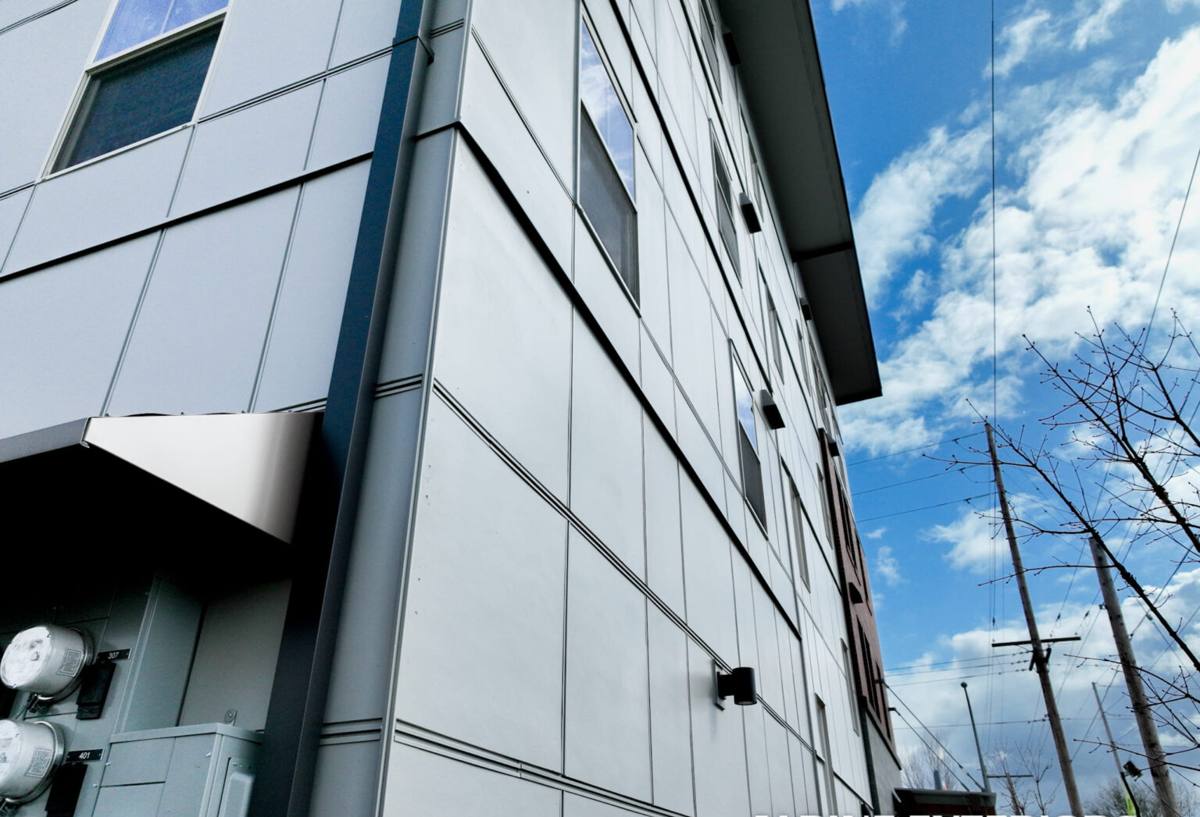
What Whatcom County Weather Does to Siding
Three conditions define siding performance in Ferndale, and any installer working here needs to be planning around all three, not just one.
Salt Air
Proximity to Birch Bay and the Strait of Georgia means airborne salt is a real factor, even a few miles inland. Salt accelerates corrosion on fasteners and metal trim, and it degrades weak paint films faster than it would in a dry inland climate. Siding material and finish both need to hold up to that exposure, not just to rain.
Driving Rain
Ferndale doesn't just get a lot of rain — it gets wind-driven rain that hits walls at an angle instead of falling straight down. That means water finds its way behind siding at laps, seams, and penetrations if the water-resistive barrier, flashing, and lap spacing aren't done correctly. A siding product can be excellent and still fail if it's installed without accounting for wind-driven moisture.
A Long Moss Season
Shaded, north- and west-facing walls in this area stay damp for months at a time. Moss and algae need that sustained moisture to take hold, and once established they hold even more water against the wall surface. Siding that can't shed water quickly, or that has a porous or absorbent surface, becomes a moss magnet over a few winters.
What a Correct Installation Actually Involves
Good siding installation is mostly invisible once the job is done — it's the water management underneath that determines whether a home stays dry for the next 30 years. For a Ferndale home, that means:
- A continuous, correctly lapped water-resistive barrier behind the siding, not just wrapped loosely and stapled
- Properly flashed windows, doors, and any wall penetrations, so wind-driven rain can't track behind the barrier at those points
- Correct fastener type, spacing, and depth for the specific siding product — not a generic nailing pattern
- Adequate rainscreen gap or drainage plane where the wall assembly calls for it, so any moisture that does get behind the cladding can drain and dry
- Kickout flashing at roof-to-wall intersections, which is one of the most commonly missed details and one of the most common sources of hidden rot
- Caulking and sealant used only where it belongs — sealant is not a substitute for correct flashing, and over-reliance on caulk is a sign of a rushed job
None of this is unique to Ferndale, but the margin for error is smaller here. A flashing detail that might get away with being "close enough" in a drier climate will find its way into a wall assembly here within a season or two of driving rain.
Why We Install James Hardie Fiber Cement Only
We standardized on James Hardie fiber cement siding for every installation we do, including here in Ferndale, for reasons that are specific to what this climate does to a home over time:
- Non-combustible material — fiber cement doesn't feed a fire the way wood-based or foam-backed products can
- Climate-engineered product lines — Hardie's HZ10 product line is formulated for wet, temperate climates like ours, addressing moisture and freeze-thaw behavior specifically
- Factory-applied ColorPlus finish — baked on under controlled conditions, which holds color and resists fading and chalking far better than field-applied paint, and stands up better to salt exposure
- Dimensional stability — fiber cement doesn't swell, cup, or warp with moisture cycling the way some wood-based and composite products can, which matters through a long, damp moss season
- A strong, transferable warranty — backed by installation to Hardie's specifications, which is part of why our crews follow their fastening and clearance requirements exactly
We don't install vinyl, LP SmartSide, Cemplank, Allura, or primed wood siding. Each of those products has legitimate uses and each has real strengths — this isn't a claim that they're poor products. But we've made a professional decision to install one system, install it correctly every time, and stand behind it, rather than juggling multiple products with different moisture behaviors, warranty structures, and maintenance requirements across a wet Pacific Northwest climate.
Our Installation Process for Ferndale Homes
1. On-Site Assessment
We look at the specific exposure of your home — which walls take the most wind-driven rain, which stay shaded and damp longest, where existing moss or staining is already showing, and what's happening with the current water-resistive barrier and flashing if we're able to see it.
2. Tear-Off or Overlay Decision
In most cases we recommend a full tear-off to inspect and correct the water-resistive barrier and sheathing underneath, rather than installing over existing siding. Given how much of a fiber cement installation's long-term performance depends on what's behind it, this is rarely a step worth skipping in our climate.
3. Water Management Rebuild
This is where the real work happens — correcting flashing at windows, doors, and roof intersections, installing a continuous water-resistive barrier, and building in drainage where the wall assembly needs it.
4. Hardie Installation to Spec
Fastener type, spacing, clearances above grade and roof lines, and joint treatment are all installed to James Hardie's published specifications — this is what keeps the manufacturer's warranty intact and what actually determines how the siding performs over the next few decades.
5. Final Walkthrough
We walk the finished exterior with you, checking trim, caulking lines, and finish quality before calling the job done.
Signs a Ferndale Home Needs New Siding
Homeowners often wait too long to address siding problems because early signs look cosmetic rather than structural. Watch for:
- Persistent green or black streaking on north- or west-facing walls that pressure washing only temporarily removes
- Soft or spongy siding near the bottom courses, especially close to grade or downspouts
- Paint or coating that's peeling, chalking, or failing in patches rather than evenly across the whole wall
- Visible gaps, warping, or buckling at seams and butt joints
- Rising energy bills that suggest the wall assembly is no longer doing its job
- Interior signs — musty smell, staining, or soft drywall near exterior walls — which usually mean moisture has already gotten behind the siding
What Affects the Cost of a Siding Installation
Every home is different, and we'll give you an exact number after seeing the house, but these are the factors that most often move the price up or down:
| Factor | Typical Impact |
|---|---|
| Full tear-off vs. installing over existing siding | Higher for tear-off, but usually the right call for long-term performance |
| Amount of trim, corners, and architectural detail | More detail work generally increases labor time |
| Extent of existing water damage or rot found underneath | Can add cost if sheathing repair is needed |
| Home size and wall height | Larger and taller walls mean more material and labor |
| Siding profile chosen (lap width, panel vs. plank) | Minor impact; mostly a stylistic choice |
| Site access (setbacks, landscaping, second stories) | Difficult access can add time and equipment cost |
Why Hiring a Crew That Already Works in Ferndale Matters
Siding installation isn't a one-size-fits-all trade. A crew that already works throughout Whatcom County and around Birch Bay knows what wind-driven rain does to a wall assembly in this specific area, knows which orientations tend to hold moss longest, and isn't guessing at how to detail a Hardie installation for salt air exposure. That local pattern recognition shows up in the small decisions — where to add extra flashing, which walls need closer attention to drainage — that a crew unfamiliar with the area might not think to make.
It also matters for accountability. A local, established contractor is one you can call five or ten years from now if a warranty question comes up, not a name that only shows up for one job and then disappears.
Questions Worth Asking Any Siding Contractor
- Do you install to the manufacturer's specifications, and can the warranty be verified in writing?
- Will you inspect and, if needed, repair the water-resistive barrier and sheathing before re-siding?
- How do you handle flashing at roof-to-wall intersections and window openings?
- Do you work in this area regularly, and can you speak to how the local climate affects the job?
- What does your workmanship warranty cover, separate from the manufacturer's material warranty?
Maintenance After Installation
A correctly installed Hardie siding job is low-maintenance, not no-maintenance. In Ferndale's climate, that means an occasional gentle wash to keep moss and algae from establishing on shaded walls, keeping gutters and downspouts clear so water isn't dumping against the siding, and a periodic visual check of caulking at trim joints and penetrations. None of this is heavy work, but it's worth doing once or twice a year given how long the damp season runs here.
If your Ferndale home is due for new siding, or you want a second opinion on a quote you've already gotten, we're happy to come take a look. The estimate is free, there's no pressure, and you'll get a straight answer about what your home actually needs — use the form below to get started.