 Birch Bay Siding
 Window Installation Built for Semiahmoo's Coastal Climate
Semiahmoo sits right up against the water at the top of Whatcom County, which means the windows on these homes work harder than windows almost anywhere else in the state. Salt-laden air off the bay, driving rain that comes in sideways during winter storms, and a long, damp moss season that can stretch from October into May all put steady stress on window frames, seals, and glazing. A window that would last two decades in a drier inland climate can start failing in half that time here if it wasn't installed with this environment in mind.
We install and replace windows for homeowners throughout Semiahmoo and greater Birch Bay, and the lessons we've learned doing that work locally are different from what a general contractor pulling permits across the whole Puget Sound region would know. This page covers what Semiahmoo homes actually need from a window installation, what a correct job looks like, and how we run the project from first look to final cleanup.
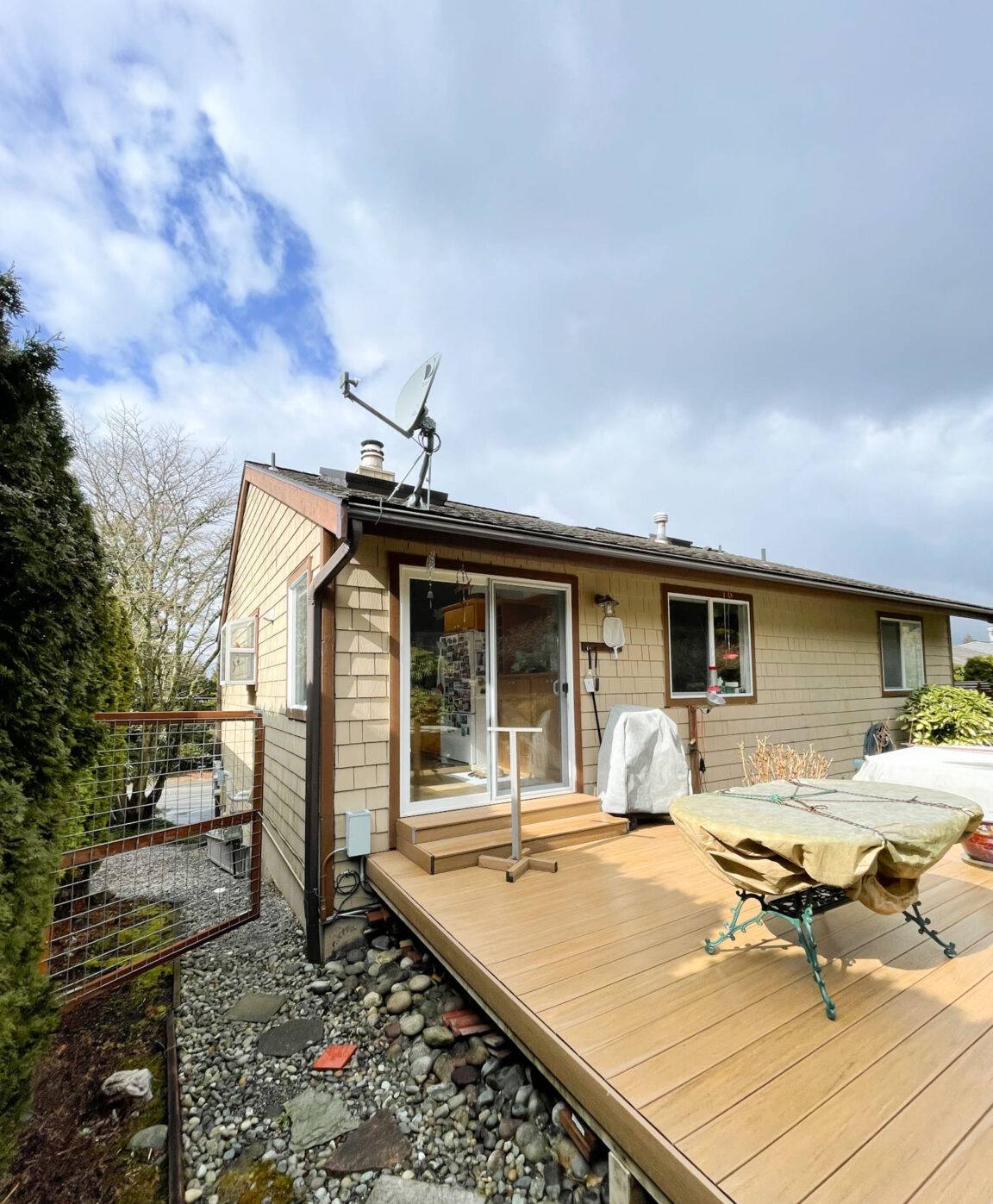
What Coastal Exposure Does to Windows Over Time
Salt Air and Metal Fatigue
Salt in the air doesn't just sit on the glass — it settles into hardware, weep holes, and any exposed fasteners. Over years, that accelerates corrosion on latches, balances, and screws, and it can pit unprotected aluminum trim. Homes closer to the water's edge in Semiahmoo see this faster than homes set back a few blocks, but no property here is fully out of reach of it.
Wind-Driven Rain and Water Intrusion
Straight-down rain is easy for any window to shed. The problem in Semiahmoo is rain that arrives at an angle, pushed by wind off the water, which finds any weak point in the flashing, sealant, or trim and drives water behind the siding rather than off of it. Most of the water damage we find around old windows didn't come through the glass or the sash — it came through gaps in the flashing and building paper that were never sealed correctly the first time.
Moss, Shade, and Sustained Moisture
Whatcom County's long wet season keeps north-facing walls and shaded window trim damp for months at a stretch. That moisture feeds moss and mildew growth on sills and exterior casing, and if the wood underneath isn't properly primed and back-sealed, it starts to soften from the inside before the surface even looks bad. By the time paint is peeling or a sill feels spongy, the rot is usually already established.
Signs It's Time to Replace, Not Repair
Not every drafty window needs full replacement — sometimes new weatherstripping or a resealed frame solves the problem. But there are signs that tell us the window and its opening have reached the end of their useful life:
- Fogging or a permanent haze between panes of double-pane glass (a sign the seal has failed)
- Visible gaps between the frame and siding, or daylight around the trim
- Soft, spongy, or discolored wood at the sill or bottom corners of the frame
- Windows that are difficult to open, close, or lock, especially after damp weather
- Persistent condensation on the inside of the glass during cold months
- Noticeable draft or cold spot near the window even with it fully closed
- Paint that keeps failing at the same spot no matter how often it's touched up
What a Correct Window Installation Actually Involves
The window unit itself is only part of the job. Most window failures we see in this area trace back to how the opening was prepped and flashed, not to the window product itself. A correct installation follows a specific sequence, and skipping steps is how leaks happen two or three years down the road.
Removal and Opening Inspection
We remove the old window carefully and inspect the rough opening before anything new goes in. This is the point where hidden rot, old water staining, or failed flashing gets found — and it has to be addressed before a new window goes in, not covered over.
Flashing and Weatherproofing
This is the step that matters most in a climate like ours. Proper flashing integrates with the building's water-resistive barrier so that any water that does reach the opening is directed back out and down, never trapped behind the wall. Sill pans, flashing tape, and correctly lapped house wrap all play a role here, and the order they go in matters as much as the materials themselves.
Setting, Shimming, and Insulating
The window has to be set level, plumb, and square, then shimmed so it isn't stressed or twisted in the opening — a racked frame will fail to seal properly even with premium hardware. The gap between the frame and the rough opening gets insulated with a low-expansion foam or backer rod, not packed tight enough to bow the frame.
Exterior Sealing and Trim
Sealant goes at specific points, not everywhere — some gaps are meant to stay open as drainage paths (weep points), and sealing those shut is a common mistake that traps water instead of letting it escape. Trim and casing get primed on all sides, including cut ends, before installation and paint.
Choosing the Right Window for a Semiahmoo Home
Frame material matters more here than in a drier climate, because it determines how the window handles years of salt exposure and sustained moisture. We install and recommend based on how a product actually performs in this environment, not on what's cheapest to stock.
| Frame Material | Moisture & Salt Performance | Maintenance | Typical Trade-Offs |
|---|---|---|---|
| Vinyl | Good — won't corrode or rot, handles salt air well | Low — occasional cleaning | Frame can flex in large sizes; color options are limited |
| Fiberglass | Excellent — very stable, resists both moisture and salt corrosion | Low | Higher upfront cost than vinyl |
| Wood (clad exterior) | Good on the exterior face if cladding is intact; interior wood still needs care | Moderate — exterior clad is low-maintenance, interior needs periodic attention | Any breach in the cladding exposes wood to rot risk |
| Aluminum | Poor to fair — prone to pitting and corrosion in salt air without a quality finish | Moderate to high | Thermal performance is generally weaker unless thermally broken |
For most Semiahmoo homes we steer people toward vinyl or fiberglass for the balance of upfront cost, low maintenance, and how well they shrug off salt air. Wood-clad windows still have a place where the look matters and the homeowner is willing to keep an eye on the cladding, but we're honest that they carry more long-term risk in a marine environment if that cladding is ever compromised.
Glass Packages Worth Considering
Double-pane, low-E glass with an argon or krypton gas fill is the standard we install on most replacement jobs — it cuts heat loss and reduces condensation risk, which matters given how much of the year this area runs cool and damp. Triple-pane is worth discussing for north-facing or particularly wind-exposed elevations, though it adds cost and weight that isn't always necessary on every wall of a house.
How We Handle a Semiahmoo Window Project
- Free on-site estimate — we look at the current windows, the openings, and any existing water or rot damage before quoting anything
- Written proposal covering window specs, flashing plan, and a realistic timeline
- Scheduling around weather — we don't open up exterior walls during an active storm system when it can be avoided
- Removal, opening inspection, and any needed repair to rot or damaged sheathing before the new window goes in
- Installation following full flashing and weatherproofing steps, not just a quick swap
- Interior and exterior trim, caulking, and finish work
- Final walkthrough and cleanup — old windows and debris hauled off, nothing left for the homeowner to deal with
What Affects the Cost of a Window Installation Here
We give real numbers on-site once we've seen the specific windows and openings, but the honest range for a project depends on a handful of factors that are worth understanding up front.
| Factor | Why It Matters |
|---|---|
| Window count and size | More openings and larger units mean more material and labor |
| Frame material | Vinyl, fiberglass, and wood-clad carry different unit costs |
| Existing rot or damage | Openings with hidden water damage need repair before the new window can be set correctly |
| Wall height and access | Second-story or hard-to-reach windows take more time and equipment |
| Glass package | Standard double-pane low-E vs. triple-pane changes the per-unit cost |
| Trim and finish scope | Full trim replacement costs more than reusing sound existing casing |
Why It Matters That We Already Work in Semiahmoo
A crew that mainly works inland doesn't run into salt-air corrosion or wind-driven rain patterns often enough to build real instincts around them. We work Semiahmoo and the rest of Birch Bay regularly, so we already know which elevations on a typical local home take the worst weather, where moss buildup tends to hide moisture problems, and how the flashing details need to change near the water compared to a few miles inland. That's not something you can fully substitute with a generic install checklist — it comes from doing this work in this specific place, season after season.
We also stand behind the installation itself, not just the window product. A quality window with poor flashing will leak eventually; a correctly flashed and sealed installation is what actually protects the wall behind it for the long run.
Get a Straight Answer on Your Windows
If your windows are drafty, fogged, or showing water damage at the sill, it's worth having someone look before winter storms make the problem worse. We offer free, no-pressure estimates for window installation throughout Semiahmoo and Birch Bay — fill out the form below and we'll take a look and give you a straight answer on what your home actually needs.