 Birch Bay Siding
 Roof Replacement in Lynden: What Whatcom County Weather Actually Does to a Roof
Lynden sits inland from the coast but still gets the full Whatcom County weather pattern: long wet winters, driving rain that comes in sideways off the marine flow, and a moss season that can run eight or nine months out of the year if a roof isn't kept ahead of it. Add the salt-tinged air that carries in from Birch Bay and the Strait, and you've got a climate that's genuinely hard on roofing materials, fasteners, and flashing. A roof that would last 25 years in a dry inland climate can start showing real problems well before that here if it wasn't installed with this specific weather in mind.
This page is about one job in one area: full roof replacement for homes in and around Lynden. Not a general roofing overview — the specifics of what holds up here, what fails here, and what a correct installation looks like for this climate.
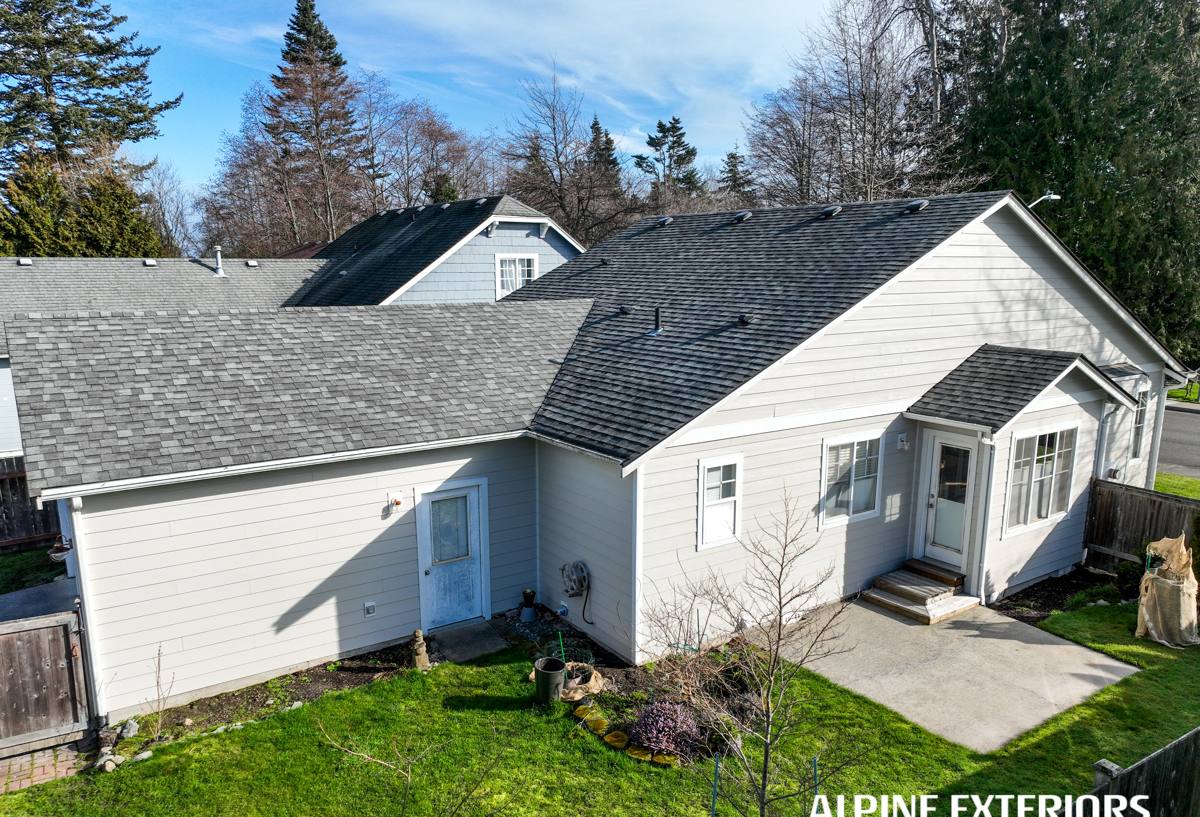
Why Moss and Moisture Are the Real Enemy Here
Most roof failures we see in this area aren't from one dramatic storm. They're slow damage from moisture that never fully dries out between rain events, and moss that takes root in shaded, north-facing slopes and shingle valleys and holds water against the roof deck.
How moss actually damages a roof
- Moss roots work into shingle granule beds and lift tabs, breaking the seal that keeps water out
- Moss mats hold moisture against the shingle surface long after the rain stops, accelerating granule loss
- Thick moss growth adds weight and can direct water sideways under shingles instead of down and off
- Moss in valleys and around penetrations is often the first sign of a deeper flashing or ventilation problem, not just a cosmetic issue
How salt air factors in
Homes closer to Birch Bay and the water get more airborne salt exposure than fully inland properties, but even Lynden isn't immune — marine air moves inland regularly. Salt exposure matters most for exposed metal: flashing, fasteners, vents, and gutter hardware. Standard fasteners can corrode faster than the shingles around them wear out, which is why fastener and flashing material selection matters as much as the shingle brand on a roof in this region.
What a Correct Roof Replacement Involves Here
A roof replacement done right for this climate isn't just stripping old shingles and nailing down new ones. The parts that actually determine how long a roof lasts happen underneath what you can see.
Tear-off and deck inspection
Full tear-off to the deck lets us actually see what's underneath — soft spots, rot around penetrations, and prior moisture damage that a re-layer or partial repair would just cover up. Any damaged decking gets replaced before anything new goes down; installing new roofing over a compromised deck just resets the clock on the same problem.
Underlayment and ice-and-water protection
Given how much of the year this area spends wet, we use synthetic underlayment across the field and self-adhering ice-and-water membrane at the vulnerable spots — eaves, valleys, around chimneys and skylights, and any low-slope transitions. This is the layer that protects the deck if wind-driven rain gets past the shingles, which happens more here than in drier climates.
Flashing and fastener selection
Corrosion-resistant flashing and fasteners are a standard part of the spec here, not an upgrade. Cutting corners on flashing material is one of the more common ways we see older roofs fail early in this region — the shingles look fine, but the metal around chimneys, walls, and valleys has already let go.
Ventilation
Proper intake and exhaust ventilation keeps the attic space closer to outdoor temperature and humidity, which reduces condensation on the underside of the deck and slows moss growth by keeping the roof surface drying out faster between rain events. A roof can be installed perfectly and still underperform if the attic underneath it is trapping moisture.
Roofing Material Options for Lynden Homes
There's no single right answer for every home — it depends on the roof's pitch, sun exposure, shading, and your budget and maintenance preferences. Here's how the common options actually compare for this climate.
| Material | Moisture & moss resistance | Maintenance | Typical lifespan here |
|---|---|---|---|
| Architectural asphalt shingle | Good with proper underlayment and algae-resistant granules | Periodic moss treatment on shaded slopes | 20-30 years |
| Standing seam metal | Very good; sheds moisture and resists moss buildup | Low; occasional fastener/sealant check | 40-50+ years |
| Wood shake | Poor without diligent upkeep; holds moisture and is prone to moss and rot | High; requires regular treatment | Highly variable, often shorter here |
| Composite/synthetic shingle | Good; engineered to resist moisture absorption | Low to moderate | 30-50 years |
We don't push wood shake as a default recommendation on shaded or north-facing roofs in this area. It's not that the material is bad — it's that it demands a maintenance commitment most homeowners don't want to keep up with, and the moisture and moss risks compound quickly if that upkeep slips. We'll still install it if that's what a homeowner wants for a specific look, but we'll walk through the tradeoffs honestly first.
Signs a Lynden Roof Needs Replacing, Not Just Patching
- Granule loss heavy enough that you can see bare or shiny patches on the shingles
- Moss establishing a mat rather than a light surface film, especially in valleys or on north-facing slopes
- Curling, cracking, or missing shingles in multiple areas rather than one isolated spot
- Water stains or discoloration on interior ceilings, especially after heavy rain
- Soft or spongy spots when the roof deck is walked
- Flashing that's visibly rusted, lifted, or separated from the surface it's sealing
- A roof approaching or past 20-25 years old (asphalt) with multiple issues rather than one
If it's one or two of these in a single spot, a repair is often the honest answer and we'll say so. Replacement makes sense when the issues are spread across the roof or point to underlying deck or ventilation problems that a patch won't fix.
Our Process for a Lynden Roof Replacement
- On-site inspection and estimate — we walk the roof (or use lift/drone access where pitch or safety requires it), check the attic for ventilation and moisture signs, and give you a clear written estimate
- Material selection — we go over the options above against your roof's specific exposure, pitch, and budget
- Tear-off and deck inspection — full removal of old roofing, deck checked and any damaged sections replaced
- Underlayment and flashing installation — ice-and-water membrane at vulnerable points, synthetic underlayment across the field, corrosion-resistant flashing throughout
- New roofing installation — installed to manufacturer spec so warranty coverage stays intact
- Ventilation check — intake and exhaust confirmed adequate for the attic space
- Final walkthrough and cleanup — site cleared of debris and nails, roof reviewed with you before we call the job done
Why a Crew That Already Works Lynden Matters
Roofing crews that mainly work drier climates tend to under-spec underlayment and flashing because it's not what their usual jobs demand. A crew that works Whatcom County regularly treats ice-and-water membrane at valleys and eaves, corrosion-resistant fasteners, and attic ventilation as standard practice — not upgrades — because we've seen what happens when they're skipped on a roof that sits through this many wet months a year. Familiarity with local permitting and typical roof pitches and construction styles in the area also keeps the estimate accurate and the timeline realistic instead of guesswork.
Cost Factors for a Roof Replacement
Every roof is different, so we won't quote a number without seeing the job, but these are the main factors that move the price:
| Factor | Why it matters |
|---|---|
| Roof size and pitch | Steeper roofs take longer and require more safety setup |
| Number of layers to remove | Multiple existing layers add tear-off time and disposal cost |
| Deck condition | Rot or soft decking found during tear-off adds material and labor |
| Material choice | Asphalt, metal, and composite options have different material and install costs |
| Roof complexity | Valleys, dormers, chimneys, and skylights add flashing work and time |
| Ventilation upgrades | Adding or correcting intake/exhaust vents is sometimes needed and adds scope |
Broadly, most asphalt shingle replacements on a typical home in this region land in a mid-five-figure range depending on the factors above, with metal roofing running higher up front but lower over the life of the roof given the maintenance it avoids. An accurate number only comes from actually seeing your roof.
Ready for an Estimate?
If your roof is showing moss buildup, granule loss, or you're just past its expected lifespan, it's worth having someone look at it before a small issue becomes a deck repair. We'll give you a straight, no-pressure estimate and walk you through exactly what your roof needs and why — no guesswork, no upselling. Use the form below to get started.