 Birch Bay Siding
 Siding Built for Birch Bay Village's Waterfront Climate
Birch Bay Village sits close enough to the water that salt air is a daily fact of life, not an occasional nuisance. Add Whatcom County's long wet season, driving rain off the Strait of Georgia, and the shade-and-moisture combination that keeps moss thriving most of the year, and you've got one of the more demanding siding environments in Western Washington. A siding installation here isn't just a cosmetic upgrade — it's the layer standing between your home and a climate that never really lets up.
We install James Hardie fiber cement siding exclusively, and Birch Bay Village is exactly the kind of neighborhood that shows why. Homes here need a product that won't absorb moisture, won't feed mold or moss growth in the way it's finished, and won't quietly degrade over a decade of salt-laden wind. This page covers what that looks like in practice — what the climate demands, what a correct installation involves, and how our process works for homeowners in this specific area.
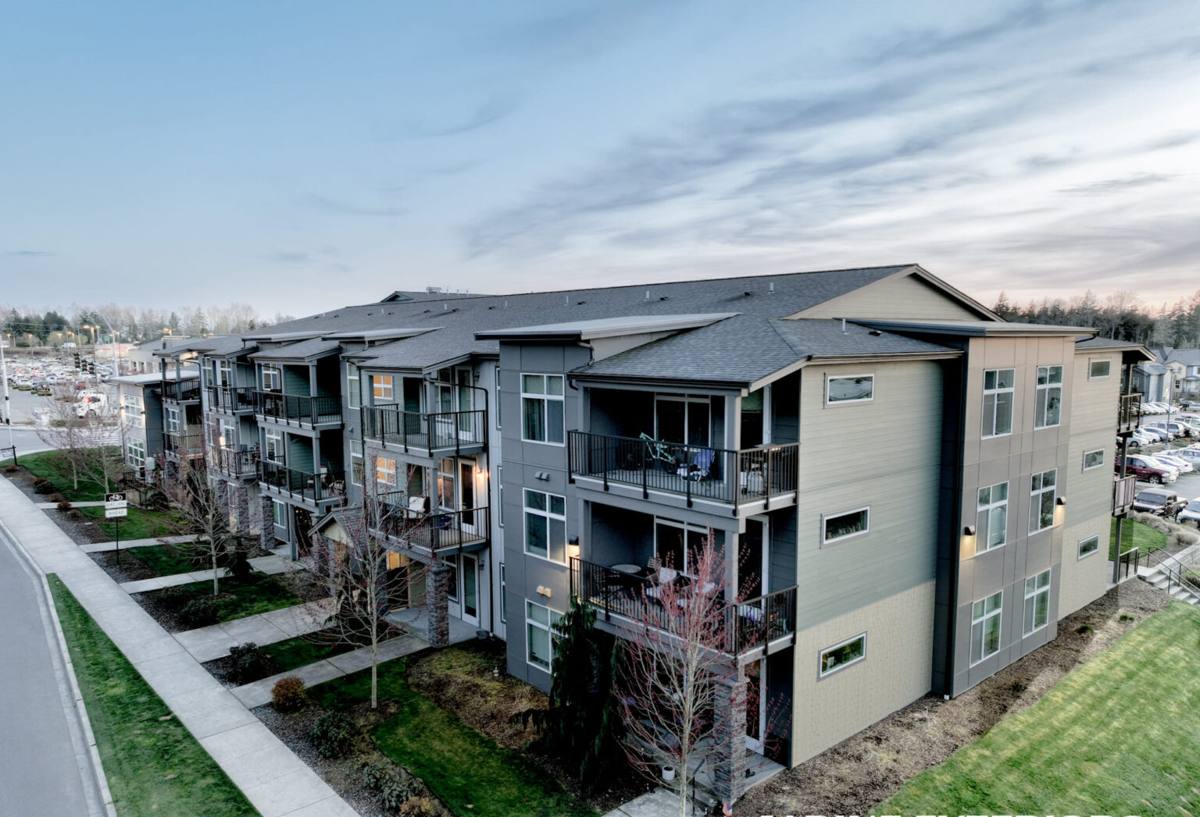
What Birch Bay Village's Climate Actually Does to Siding
Salt Air
Proximity to Birch Bay and the Strait means airborne salt is a constant, low-grade exposure. Salt is corrosive to fasteners and hardware, and it's abrasive to finishes that aren't formulated to shed it. Over years, siding that isn't built for coastal exposure can chalk, fade unevenly, or start breaking down at seams and edges faster than the same product would inland.
Driving Rain
Storms coming off the water don't just fall straight down — wind-driven rain gets pushed sideways into wall assemblies, testing every seam, joint, and piece of flashing. A siding system that isn't installed with correct overlaps, clearances, and water-management details will eventually let moisture behind the cladding, where it does the real damage: rot in sheathing, damaged framing, and mold you can't see until it's expensive.
Moss Season
Between the tree cover common in this part of Whatcom County and the extended wet stretch from fall through spring, north-facing and shaded wall sections stay damp for long periods. That's exactly the environment moss and algae need to take hold. Siding materials and finishes vary a lot in how well they resist this — some hold onto grime and organic growth, others shed it.
Why We Only Install James Hardie Here
We don't install vinyl, LP SmartSide, cedar, primed spruce, or other fiber cement brands like Cemplank or Allura. That's a deliberate standard, not a marketing line, and it matters more in a place like Birch Bay Village than it would somewhere drier and more sheltered.
- Non-combustible core — fiber cement doesn't burn, which matters in a region where wildfire smoke and dry-season risk have become a real concern even in wet coastal counties.
- Engineered for wet climates — Hardie's HZ5 product line is specifically formulated for Pacific Northwest moisture and temperature cycling, not a generic national product.
- ColorPlus factory finish — baked-on, not job-site sprayed, which holds color and resists the fading and chalking that salt air accelerates on field-applied paint.
- Doesn't feed organic growth the way wood does — fiber cement doesn't provide the same food source and moisture retention that makes wood and some composite products prone to moss and algae staining.
- Transferable, substantial warranty — backed by a manufacturer with a long track record in exactly this climate, not just a regional distributor.
Products like vinyl and LP SmartSide have real strengths — vinyl is inexpensive and low-maintenance in mild climates, LP SmartSide machines and installs quickly. But vinyl can warp and become brittle with temperature swings and doesn't hold up structurally to wind-driven rain the way a rigid fiber cement panel does. Engineered wood products, even treated ones, still have a wood-based core that is more sensitive to sustained moisture exposure than fiber cement. In a salt-air, high-rainfall environment like Birch Bay Village, those trade-offs add up faster than they would elsewhere, which is why we've standardized on one product system rather than offering several.
What a Correct Installation Involves
The siding material is only part of the equation — how it's installed determines whether it actually performs for the next several decades. For Birch Bay Village homes, we pay particular attention to:
Water Management Behind the Siding
A weather-resistive barrier and properly integrated flashing at every window, door, and penetration comes first. Fiber cement is durable, but it's not a substitute for a correctly built drainage plane — the two work together.
Fastening and Clearances
Corrosion-resistant fasteners, correct nailing patterns, and proper clearance from grade, roofing, and decks all matter more in salt air than they do inland. Hardie publishes specific installation requirements for exactly this reason, and skipping them is where premature failures come from — not from the material itself.
Caulking and Sealant Details
Every joint and penetration needs the right sealant, applied correctly, to keep wind-driven rain from finding a way in. This is detail work that's easy to rush and hard to inspect once the job is finished — which is why we don't rush it.
Factory-Finished Edges
Cut edges on fiber cement need to be primed and sealed on-site since the factory ColorPlus finish doesn't extend into a fresh cut. Left bare, cut edges are a weak point for moisture intrusion — a small step that gets skipped on rushed jobs.
Our Process for Birch Bay Village Homeowners
- On-site assessment — we look at your home's current siding, water damage risk, exposure to prevailing wind and rain direction, and shaded areas prone to moss.
- Product and line selection — HardiePlank lap siding, HardiePanel, or a combination, in the Hardie line and profile that fits your home and this climate.
- Detailed written estimate — scope, product, and timeline, with no vague allowances.
- Tear-off and inspection — removing old siding is when we find out what's really going on behind it: hidden rot, damaged sheathing, or past water intrusion that needs to be addressed before new siding goes on.
- Water barrier and flashing installation — done to spec before a single piece of siding goes up.
- Siding installation — following Hardie's fastening, clearance, and joint requirements throughout.
- Final walkthrough — we go over the finished work with you before calling the job done.
Why Local Experience in This Specific Area Matters
A crew that regularly works Birch Bay Village knows the wind exposure on waterfront-facing lots versus more sheltered interior streets, which sides of a house tend to hold moisture longest, and how the salt air here compares to a few miles inland. That's the kind of judgment that comes from doing the work in this specific pocket of Whatcom County repeatedly — not from a general knowledge of coastal siding.
It also means we understand what installation crews are actually up against here: narrow work windows during the wettest months, protecting a job site through sudden weather changes, and sequencing work so a home isn't left exposed overnight when rain is likely.
Cost Factors for a Birch Bay Village Siding Installation
| Factor | Why It Affects Cost |
|---|---|
| Home size and wall complexity | More corners, dormers, and trim details mean more labor and material cuts |
| Current siding removal | Tear-off, disposal, and any sheathing repair found underneath add time |
| Product line and profile | HardiePlank vs. HardiePanel, plank width, and texture all vary in price |
| Color and finish | ColorPlus factory finishes vs. field-painted primed panels affect both cost and long-term maintenance |
| Site access and exposure | Waterfront-facing walls and tight lot access can affect scheduling and setup time |
| Water damage repair | Rot or moisture damage found during tear-off is priced once it's actually visible |
Signs Your Birch Bay Village Home Needs New Siding
- Visible moss, algae, or persistent green staining that keeps returning after cleaning
- Soft spots, warping, or bubbling, especially on north-facing or shaded walls
- Cracking, chalking, or peeling paint that returns quickly after repainting
- Gaps or separation at seams, corners, or trim
- Rising energy bills that suggest failing insulation behind aging siding
- Visible rot or soft wood when pressed near the base of walls or around windows
Maintenance Once It's Installed
James Hardie siding is low-maintenance, not no-maintenance. In Birch Bay Village specifically, we recommend an annual rinse-down to keep salt residue and organic buildup from accumulating, a visual check of caulking at joints and penetrations every year or two, and prompt attention if you ever notice a section that seems to be holding moisture longer than the rest of the house. None of this is intensive — it's the kind of upkeep that keeps a well-installed system performing for its full service life instead of just its warranty period.
If you're weighing a siding replacement in Birch Bay Village, we're happy to take a look and give you a straightforward, no-pressure estimate — no invented urgency, just an honest read on what your home needs and what it would take to do it right.