 Birch Bay Siding
 Roof Repair Built for Terrell Creek's Weather, Not Generic Weather
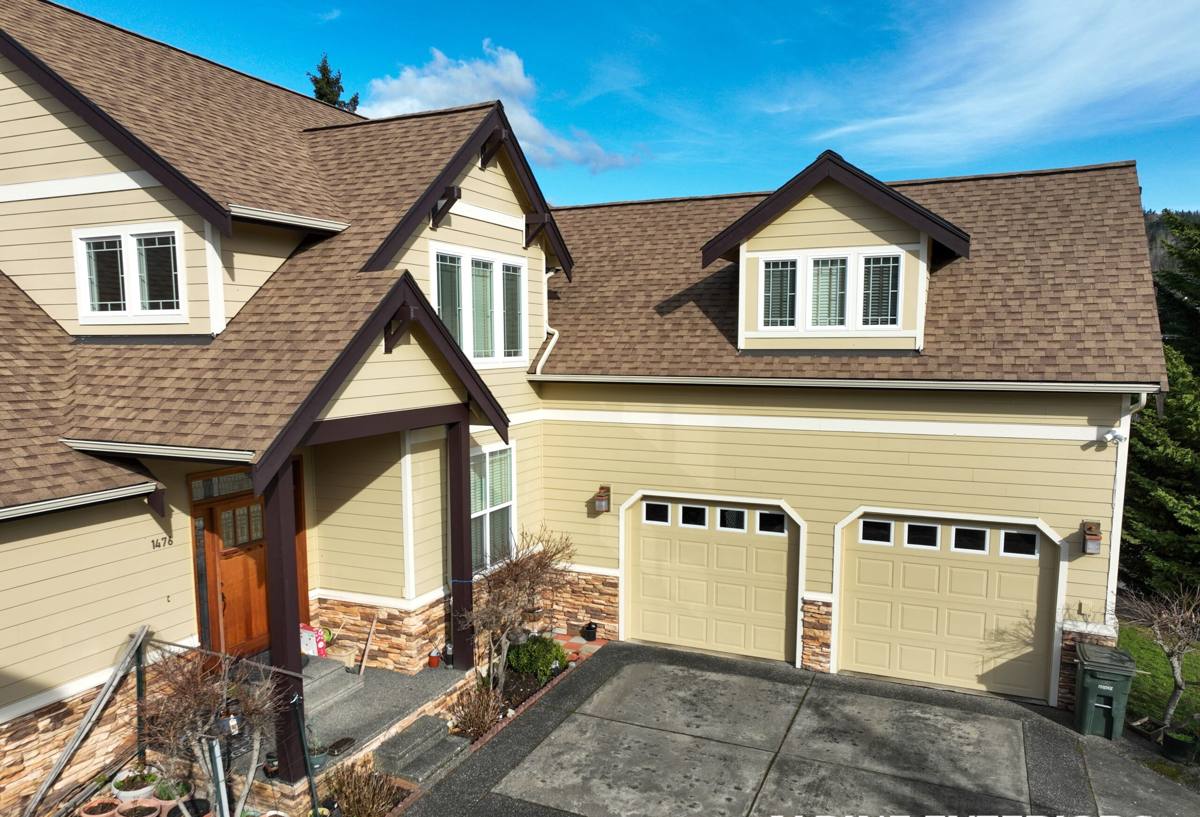
Terrell Creek sits close enough to Birch Bay's shoreline that homes here take on a specific mix of punishment: salt-laden air blowing in off the water, wind-driven rain that finds its way sideways under flashing and shingle tabs, and a wet, shaded, mossy season that runs longer than most homeowners expect for Whatcom County. A roof repair done for a house forty miles inland doesn't always hold up out here. We repair roofs in this neighborhood specifically because the failure patterns are consistent, and knowing them ahead of time is what separates a repair that lasts from one you're paying for again in two years.
This page covers roof repair as its own service — not a full tear-off, not a re-roof sales pitch. If your roof has a leak, storm damage, a soft spot, or visible wear but the structure and majority of the material are still sound, repair is very often the right call. We'll walk through what actually causes damage out here, what a correct repair looks like, and how to tell when repair stops making sense.
Why Roofs Fail Differently Near the Water
Salt Air and Metal Fatigue
Airborne salt from Birch Bay doesn't just sit on the surface — it works into fasteners, flashing seams, and any exposed metal edge. Galvanized nails and lower-grade flashing corrode faster here than they would a few miles inland, and once a fastener starts to rust, it loses its grip and the roofing material around it starts to lift. Corroded flashing at chimneys, skylights, and roof-to-wall transitions is one of the most common leak sources we find on Terrell Creek roofs, and it's often the actual cause behind a "mystery leak" that homeowners assumed was coming from the shingles themselves.
Driving Rain and Wind Direction
Rain that falls straight down is easy for a roof to shed. Rain that comes in sideways during a Whatcom County storm is a different problem — it gets pushed up under shingle tabs, into ridge vents, and around anything that penetrates the roof plane (vent pipes, chimneys, skylights). Homes with exposure toward open water or clearings tend to take this harder than roofs tucked behind tree cover, which is why two houses on the same street can have very different repair histories.
Moss, Shade, and Moisture Retention
Terrell Creek's mix of mature trees and damp air means moss has a long growing season here — often close to year-round on north-facing slopes and shaded roof sections. Moss isn't just cosmetic. It holds moisture directly against the roofing surface, which accelerates granule loss on asphalt shingles, promotes wood rot on cedar, and can lift shingle edges as the moss mat grows and thickens. Left unaddressed, moss turns a roof that should last 20+ years into one needing repair by year 10 or 12.
Common Repair Calls We See in This Area
- Leaks originating at chimney or skylight flashing rather than the field of the roof itself
- Lifted or missing shingle tabs along roof edges and ridges after wind events
- Soft, spongy decking discovered during a leak investigation, usually from long-term moss or hidden flashing failure
- Clogged or undersized gutters causing water to back up under the lowest course of shingles
- Rusted or failed pipe boot seals (the rubber collar around plumbing vents) letting water track down into the attic
- Moss mats along the north slope thick enough to be lifting shingles at the edges
What a Correct Roof Repair Actually Involves
A repair that's done right starts with figuring out where water is actually entering — which is not always where it shows up on the ceiling. Water can travel several feet along decking or rafters before it drips somewhere visible. We treat diagnosis as the first real step of the job, not an afterthought before we start nailing shingles down.
1. Find the Real Source
This means checking flashing, penetrations, and roof-to-wall transitions before assuming the field shingles are to blame. A large share of "roof leaks" are actually flashing or sealant failures.
2. Check the Decking, Not Just the Surface
If moisture has been getting in for a while, the plywood or plank decking underneath may be soft or delaminating. Nailing new shingles over compromised decking doesn't fix anything — it just hides the problem until it gets worse.
3. Match Materials and Fastener Grade
Given the salt air here, we use corrosion-resistant fasteners and flashing on repair work rather than whatever's cheapest, and we match shingle type, color, and exposure as closely as possible so a repair doesn't stand out as a visible patch.
4. Address the Cause, Not Just the Symptom
If moss caused the failure, the repair should include moss removal and a plan to slow regrowth. If poor attic ventilation contributed to moisture buildup, that gets flagged too. A repair that ignores the underlying cause is a repair you'll be paying for again.
Our Process for a Terrell Creek Roof Repair
- Inspection and diagnosis — We get on the roof (or use a ladder and close visual inspection when conditions don't allow safe roof access) and trace the leak or damage to its actual source, including attic-side checks where relevant.
- Honest assessment — We tell you plainly whether this is a repair situation or whether the roof's age and condition mean repair would just be a short-term fix. No upselling either direction.
- Written scope and estimate — You know exactly what's being repaired, with what materials, before any work starts.
- The repair itself — Deck repair if needed, correct flashing and underlayment work, matched shingles or roofing material, corrosion-resistant fasteners.
- Cleanup and check — Debris and old material removed, and we walk the area with you when the job is done.
Repair or Replace? Honest Cost Factors
Not every roof problem needs a full replacement, but some do. Here's how we weigh it:
| Factor | Leans Toward Repair | Leans Toward Replacement |
|---|---|---|
| Roof age | Under 12–15 years | Approaching or past material's rated life |
| Extent of damage | Localized (one flashing point, one section) | Widespread granule loss, multiple leak points |
| Decking condition | Solid underneath the problem area | Soft or rotted decking in multiple areas |
| Moss/organic growth | Surface growth, removable | Long-term growth that's lifted shingles broadly |
| Prior repair history | First or second repair on this roof | Repeated repairs to the same areas |
When repair is the right answer, we say so. When it isn't, we'll explain exactly why — usually decking condition or the roof simply being past the point where patching makes financial sense.
Materials and Why We Use What We Use
For repair work in this area, we favor materials chosen for how they hold up to salt air and sustained moisture rather than lowest upfront cost:
- Corrosion-resistant flashing and fasteners — standard galvanized hardware corrodes faster this close to the water; we use higher-grade metal on repair work for that reason.
- Matched architectural or three-tab shingles — repaired sections should blend with the existing roof rather than create an obvious patch, which also protects resale appearance.
- Quality pipe boots and sealants rated for UV and moisture exposure — cheap rubber boots crack and fail again within a few years in this climate.
On cedar shake roofs, which are still common in older Whatcom County neighborhoods, we're upfront that shake requires more frequent moss treatment and inspection than asphalt to get a comparable lifespan — that's a maintenance trade-off worth knowing before repair decisions are made, not a knock on the material itself.
Moss Season and Timing Your Repair
Whatcom County's wet season generally means moss growth accelerates from fall through spring, with shaded north-facing slopes staying damp nearly year-round in a wooded area like Terrell Creek. If you've noticed green or dark growth building up, that's worth addressing before it thickens further — moss removed early is a maintenance task; moss removed after years of growth often reveals lifted or damaged shingles underneath that now need actual repair. Late summer and early fall, when the roof surface is driest, tends to be the most efficient window for both moss removal and repair work, though we handle leak repairs on an as-needed basis regardless of season since water damage doesn't wait for good weather.
Signs You Need a Roof Repair Now
- Water stains or discoloration on ceilings or in the attic, even small ones
- Visible moss buildup, especially where it's thick enough to hold shingle edges up
- Granules collecting in gutters or at downspout outlets
- Shingles that look curled, cracked, or missing after a wind event
- Rust streaks below flashing or vent pipes
- Daylight visible through the roof deck from inside the attic
- A musty smell in upper rooms or the attic that wasn't there before
Why It Matters That We Already Work This Neighborhood
A crew that's already repaired roofs in Terrell Creek and the surrounding Birch Bay area isn't guessing about how this local climate treats a roof — we've seen which flashing details fail first, which slopes hold moss longest, and where wind-driven rain tends to find its way in on homes with this kind of exposure. That means less time spent on diagnosis and a repair scope that accounts for local conditions from the start, rather than a generic fix that treats a Whatcom County roof like it's anywhere else in the country. It also means we're a known, reachable local option if a repair needs a follow-up check after the next storm season — not a crew that did one job and moved on.
Get a Straightforward Estimate
If you've got a leak, storm damage, moss buildup, or just want a second opinion on whether your roof needs repair or replacement, we're happy to take a look. Estimates are free, there's no pressure to sign anything on the spot, and you'll get a plain explanation of what we find and what it would take to fix it — use the form below to get started.