 Birch Bay Siding
 Roof Repair Built for Custer's Coastal Whatcom County Climate
Custer sits in the stretch of Whatcom County between Birch Bay and the Canadian border, close enough to the water that salt air, wind, and moisture are part of daily life for every roof in the area. Homes here range from older rural properties with mature tree cover to newer builds on cleared lots exposed to wind off the Strait of Georgia. Whatever the setup, the roof takes a beating that a homeowner further inland simply doesn't deal with. A roof repair here has to account for that reality, not just patch a leak and hope it holds through the next atmospheric river.
This page covers what roof repair actually means for a Custer home: what the climate does to roofing systems, what a correct repair looks like, how our process works, and why it pays to hire a crew that already knows this stretch of Whatcom County rather than one working from a generic checklist.
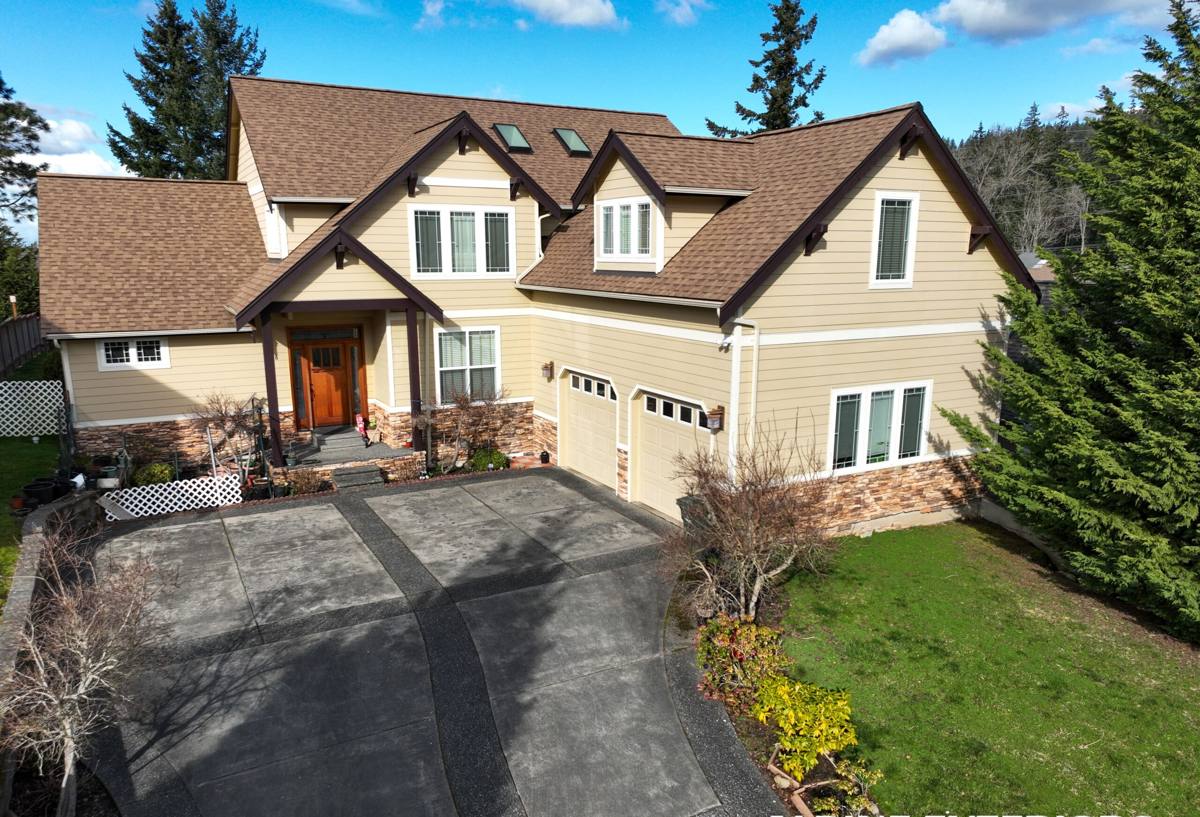
What Local Weather Does to Roofs in Custer
Salt Air and Slow Corrosion
Proximity to Birch Bay and the Strait of Georgia means airborne salt settles on roofing materials year-round, not just during storms. On metal flashing, fasteners, vents, and any exposed metal components, salt accelerates corrosion in ways that aren't always obvious from the ground. A fastener that looks fine one year can be compromised the next, and once flashing starts to pit or rust through, it stops doing its job long before a homeowner notices a leak.
Driving Rain and Wind-Driven Water
Whatcom County doesn't just get rain — it gets wind-driven rain that comes in sideways during winter storms. That matters because water pushed sideways or upward under wind pressure behaves differently than water simply falling and running off. It finds gaps in flashing, works under shingle tabs, and tests every seal around a vent pipe, skylight, or chimney. A repair that would hold up fine in a calmer climate can fail here if it wasn't built with wind-driven water in mind.
Moss Season
The long, damp stretch from fall through spring gives moss and algae plenty of time to establish on roofs with any shade or north-facing exposure, which describes a lot of Custer properties with mature trees. Moss doesn't just look bad — it holds moisture against the roofing surface, lifts shingle edges as it grows, and can work its way under flashing over time. Left alone through a few wet seasons, moss growth turns small maintenance issues into real repair needs.
Warning Signs You Shouldn't Ignore
Most roof repairs start small. Homeowners who catch problems early spend less and avoid interior damage. Watch for:
- Water stains on ceilings or upper interior walls, especially after a windy rainstorm
- Granules collecting in gutters or at downspout outlets
- Visible moss or dark streaking on north-facing or shaded roof slopes
- Curling, cracked, or missing shingles, particularly on slopes facing prevailing wind
- Rust staining or visible corrosion around flashing, vents, or metal roof panels
- Daylight visible through the roof deck from inside an attic space
- Soft or spongy spots when walking the roof, a sign of deck damage beneath the surface
- Higher heating bills with no other explanation, which can point to attic moisture from a slow leak
Any one of these on its own might be minor. Two or three together usually mean it's time for an actual inspection rather than a guess.
What a Correct Roof Repair Involves
Diagnosis Before Patching
The most common mistake in roof repair isn't bad workmanship — it's fixing the visible symptom instead of the actual source. Water can travel along a roof deck or rafter for several feet before it shows up as a stain on a ceiling, so the spot that looks wet indoors is often not the spot that needs repair on the roof. A correct repair starts with tracing the leak to its actual entry point, which usually means checking flashing, penetrations, and shingle condition uphill from where the damage appears inside.
Flashing and Penetrations
Most roof leaks in this climate trace back to flashing — around chimneys, skylights, vent pipes, and roof-to-wall transitions — rather than to the field of the roofing material itself. Given how much wind-driven rain and salt-air corrosion this area sees, flashing details matter more here than in a drier, calmer climate. A repair that reseals a penetration without addressing corroded or improperly lapped flashing underneath is a repair that fails again within a season or two.
Matching Materials and Getting the Details Right
A patch that doesn't match the surrounding roofing in material, color, and installation method stands out and can behave differently under weather stress. We match shingle type, exposure, and fastening pattern to the existing roof wherever possible, and we tie new flashing into existing courses correctly rather than surface-sealing it with caulk as a shortcut. Caulk has its place, but it's not a substitute for properly lapped and fastened flashing — used alone, it's a temporary fix that will need to be redone.
Most homes in the Custer area are roofed in asphalt composition shingle, with some newer or higher-end builds using standing-seam metal. Older properties sometimes still have cedar shake, which needs its own repair approach and more frequent moss management given how that material handles moisture. Whatever the roofing type, the same principle applies: the repair method has to match how that specific material sheds water and handles fasteners, not a one-size-fits-all patch.
Repair or Replace? Decision Factors
Not every roof problem calls for a full replacement, and not every roof problem should be treated as a simple patch. These are the main factors we walk through with homeowners:
| Factor | Favors Repair | Favors Replacement |
|---|---|---|
| Age of roofing material | Under 10-15 years, or well within expected lifespan | Near or past the manufacturer's expected service life |
| Extent of damage | Isolated to one area, flashing, or a small number of shingles | Spread across multiple slopes or recurring in different spots |
| Roof deck condition | Solid, dry decking under the damaged area | Soft, rotted, or water-stained decking found during inspection |
| Moss and algae history | Recent growth, surface-level, removable without damage | Long-term growth that has lifted shingles or degraded the mat beneath |
| Repair history | First or second repair on this roof | A pattern of recurring leaks in different locations |
We'll always tell you honestly which side of that table your roof falls on. A repair that's likely to fail again within a year isn't a good use of your money, and we're not going to recommend a full replacement when a proper repair will genuinely hold.
Our Roof Repair Process
- Inspection. We get on the roof, not just in the attic, and physically check flashing, penetrations, shingle condition, and the deck in the affected area.
- Diagnosis and explanation. We show and explain what we found, including photos of the actual problem area, before recommending a scope of work.
- Written estimate. You get a clear scope and price before any work starts, with no surprise add-ons once we're up on the roof.
- Repair. We replace damaged materials, correct flashing details, and address the root cause, not just the visible leak point.
- Cleanup and check. Debris and old materials are removed, gutters are cleared of anything dislodged during the work, and we do a final check for any secondary issues worth addressing at the same time.
Storm Damage and Emergency Repairs
Winter storms moving through Whatcom County can knock loose shingles, tear flashing free, or drop a tree limb hard enough to compromise a section of roof deck. When that happens, the priority is stopping active water intrusion, not necessarily doing the full permanent repair the same day. We can install a temporary tarp or emergency patch to protect the interior of the home, then schedule the permanent repair once materials are on hand and conditions allow the work to be done properly. Trying to force a full, correct repair in the middle of an active storm usually does more harm than good — a rushed patch in bad weather often needs to be redone anyway.
If you've had storm damage, it's also worth having the full roof checked rather than just the obvious damage spot. Wind strong enough to tear off one section of shingles or flashing has usually stressed the rest of the roof too, even where the damage isn't visible yet.
Why a Crew That Already Works in Custer Matters
A roofer who works this part of Whatcom County regularly already knows what a Custer roof is up against — the salt exposure from being near Birch Bay and the water, the way wind-driven rain hits certain roof orientations harder than others, and how fast moss can take hold under the tree cover common on larger rural lots in the area. That local knowledge shows up in small but important decisions: which flashing details need extra attention, when moss treatment should happen relative to the wet season, and which repairs are worth doing now versus watching for another season.
It also means a faster response. A crew based in the area can get to a Custer property for an inspection or emergency tarp-over without a long drive eating into the day, which matters when a storm has already found a weak spot and water is getting in.
Keeping Your Roof Ready for the Next Wet Season
Once a repair is done, a little seasonal attention keeps it from becoming a repeat job:
- Keep gutters and downspouts clear so water isn't backing up under the roof edge
- Trim back tree limbs that shade the roof or drop debris, since both encourage moss
- Have moss treated or removed before it has a chance to lift shingles, not after
- Walk the attic after major windstorms and check for new staining or daylight
- Get flashing and penetrations checked every few years even if there's no visible leak yet
None of this replaces a professional inspection, but it catches the kind of small issues that turn into real repairs if ignored through a couple of wet Whatcom County winters.
If you're dealing with a leak, storm damage, or just want an honest look at a roof that's showing its age, we're glad to come take a look. The estimate is free, there's no pressure, and you'll get a straight answer about what your roof actually needs.