 Birch Bay Siding
 Building a Deck That Holds Up in Point Whitehorn's Marine Climate
Point Whitehorn sits close enough to the water that every deck built here is, in effect, a marine structure. The combination of salt-laden air blowing off the Strait of Georgia, driving winter rain, and long stretches of shade and moisture through fall and winter puts more stress on an outdoor deck than most inland Whatcom County builds ever see. A deck that would be perfectly fine in a drier, more sheltered part of the county can start showing corrosion, soft spots, and slick, moss-covered surfaces within a few seasons out here if it wasn't built with that environment in mind from the start.
This page is specifically about deck building for homes in and around Point Whitehorn — what the local conditions actually require, how we frame and finish a deck to handle them, and what our process looks like from first estimate to final walkthrough.
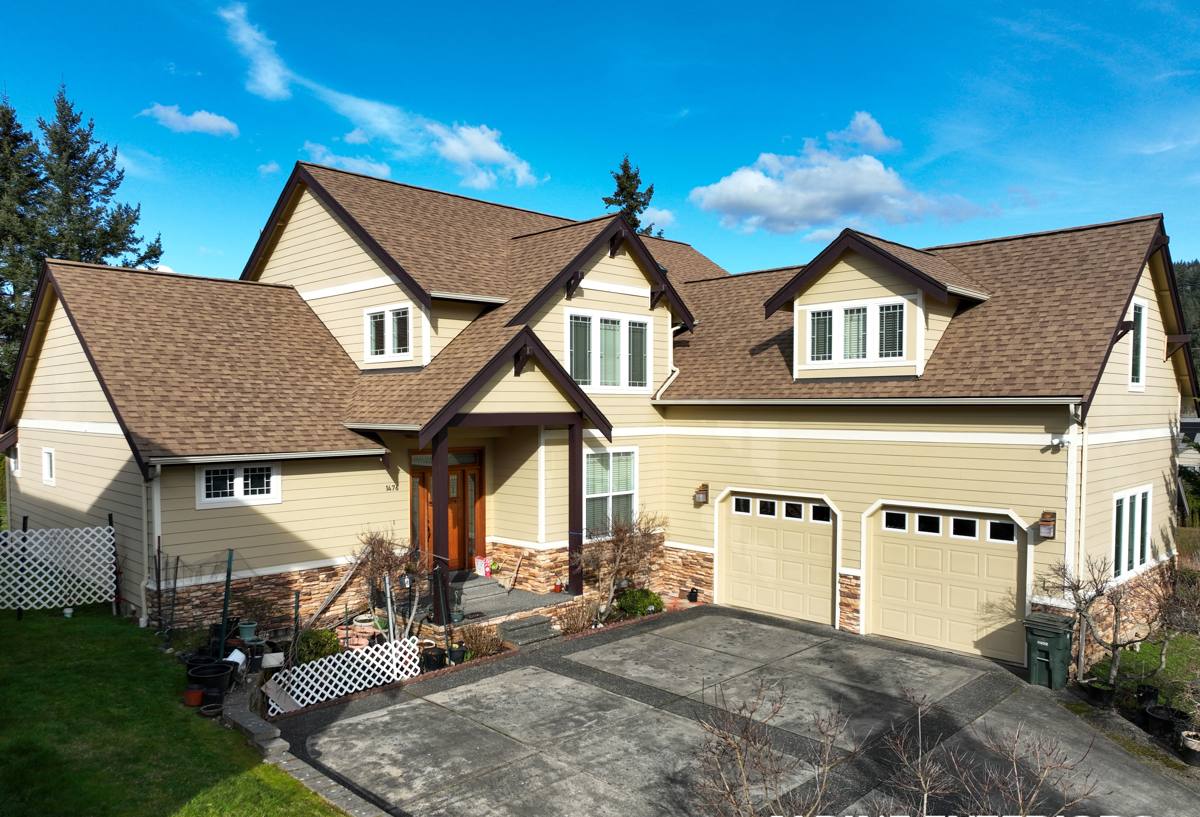
What Point Whitehorn's Location Demands from a Deck
Salt air and corrosion
Coastal air carries fine salt particles that settle on every exposed surface, including the fasteners, brackets, and hardware holding a deck together. Standard interior-grade or even generic exterior screws and joist hangers can start rusting within a year or two this close to the water. Once corrosion starts on a fastener buried inside a joist connection, it's invisible until it fails — which is exactly the wrong place for a surprise. We spec stainless steel or marine-grade coated fasteners and connectors for anything within reach of salt air, not because it's an upsell, but because replacing hardware means tearing into a finished deck.
Driving rain and moisture management
Whatcom County's coastal storms don't just fall straight down — wind-driven rain gets pushed sideways into ledger connections, under railing posts, and into any gap where end grain is exposed. A deck built without deliberate water management will trap moisture in exactly the places you can't see: behind ledger boards, inside post bases, under poorly flashed stair stringers. That trapped moisture is what causes rot, not the rain itself. Good coastal deck building is really about controlling where water goes once it lands, not just picking materials that shed water on the surface.
Moss, algae, and a long shade season
Point Whitehorn's tree cover and the region's long stretch of overcast, damp weather from fall through spring create ideal conditions for moss and algae growth on horizontal surfaces. Beyond being a slip hazard, moss holds moisture against decking boards far longer than open air would, which accelerates wear on wood surfaces and can stain and etch composite and concrete surfaces over time. Board spacing, surface texture, and orientation relative to sun and shade all affect how much moss a deck collects — details that matter more here than they would on a sunnier, drier lot.
Framing and Foundation: Getting the Bones Right
The framing is the part of a deck nobody sees after the final board goes down, and it's also the part that determines whether the deck is still solid in fifteen years or needs major repair in five. For Point Whitehorn sites, that means:
- Post bases set above grade and above expected standing water, with proper drainage around footings
- Joist and beam sizing that accounts for actual local snow and wind load, not just a generic span table
- Ledger board attachment with proper flashing that directs water away from the house band board, not just a bead of caulk
- Joist tape or a comparable barrier over the tops of joists to keep standing water out of the wood fibers
- Cross-bracing and blocking sized for the deck's actual height and exposure, especially on any elevated or view-facing deck
Ledger flashing deserves its own mention: it is one of the most common failure points we find when we're asked to inspect or repair an existing deck in this area. Water intrusion at the ledger doesn't just damage the deck — it can get into the house's rim joist and sheathing. It's cheap and fast to do right during construction, and expensive and disruptive to fix after the fact.
Choosing the Right Decking Material for This Site
There's no single "best" decking material for every home — it depends on budget, how much upkeep you want to take on, and how much sun versus shade the deck actually gets. Here's how the common options stack up specifically for a shaded, salt-air, high-moisture site like Point Whitehorn:
| Material | Coastal Performance | Moss/Algae Behavior | Upkeep |
|---|---|---|---|
| Pressure-treated wood | Good if properly sealed and maintained; end grain and fasteners need attention | Prone to moss buildup if not cleaned; texture holds moisture | Annual cleaning and periodic re-sealing |
| Cedar | Naturally rot-resistant, but needs oil/sealant renewal to hold color and resist moisture over time | Moss can take hold in shaded, un-sealed areas | Sealant every 1-2 years in this climate |
| Composite decking | Very stable in wet, salty conditions; won't rot or splinter | Can develop algae film on shaded boards; needs occasional washing | Low — periodic washing, no sealing or staining |
| PVC/capped polymer | Excellent moisture and salt resistance; fully sealed surface | Same washing needs as composite, sheds moss more easily | Low — washing only |
For homeowners who want the lowest long-term maintenance on a shaded, damp lot, composite or capped polymer boards generally make the most sense. For homeowners who prefer real wood and don't mind the upkeep, cedar or properly treated wood can still perform well here — it just needs a realistic maintenance commitment, and we'll tell you honestly what that looks like before you commit to a material.
Fasteners, Hardware, and Flashing — the Details That Decide Lifespan
Most deck failures we get called out to inspect trace back to hardware and water management, not the decking boards themselves. On every Point Whitehorn project we build, hardware and flashing choices follow the same standard:
- Stainless steel or heavy hot-dip galvanized fasteners rated for coastal/marine exposure
- Joist hangers and structural connectors matched to the fastener material to avoid galvanic corrosion between dissimilar metals
- Self-adhering flashing tape at the ledger, post bases, and any horizontal-to-vertical transition
- Post bases that hold wood posts off standing water and concrete
- Stair stringer connections detailed to shed water rather than pocket it
None of this is visible once the deck is finished — it's the part of the job that shows up as "why did this last twenty years" instead of "why did this fail in five."
Our Process
- On-site consultation. We walk your lot, look at sun and shade exposure, drainage, existing structure (if replacing a deck), and talk through how you actually use the space.
- Design and material selection. We recommend a layout, framing approach, and decking material based on your budget and how much maintenance you want to take on — with the coastal factors above built in, not treated as optional add-ons.
- Permitting. We handle the Whatcom County permit application and any required inspections for the project.
- Demolition and site prep (if replacing an existing deck), including checking the ledger area and rim joist for hidden moisture damage before we build over it.
- Framing. Footings, posts, beams, joists, and ledger flashing — the structural work that determines everything downstream.
- Decking, railing, and stairs. Installed to the spacing and fastening pattern appropriate for the material chosen.
- Final walkthrough. We go over the finished deck with you, including what maintenance it needs and on what schedule.
Permits and Whatcom County Requirements
Most new decks and significant deck rebuilds in Whatcom County require a building permit, particularly once you're above a certain height off grade or attaching structurally to the house. Requirements can also vary depending on whether the property falls within shoreline jurisdiction, which is a real consideration for lots near the water like those around Point Whitehorn. We handle the permit application and coordinate any required inspections as part of the project, so you're not left navigating county requirements on your own.
Deck Maintenance in a Salt Air, High-Moisture Climate
Even a well-built deck needs some seasonal attention in this environment. A simple annual routine goes a long way toward protecting the investment:
- Sweep debris and standing organic matter off the deck surface regularly, especially in fall
- Wash down the surface at least once a year to remove salt film, moss, and algae buildup before it takes hold
- Check fastener heads and railing connections for early signs of rust or loosening
- Inspect ledger flashing and post bases for any gaps, cracking, or water staining
- Re-seal or re-stain wood decking on the schedule appropriate to the product — don't wait until it's visibly gray and dry
- Clear gutters and downspouts near the deck so roof runoff isn't dumping directly onto or under it
Why Hire a Crew That Already Works Point Whitehorn
Deck building is a trade where the right general approach still needs to be adjusted for the specific site. A crew that hasn't worked this stretch of Whatcom County coastline might default to standard hardware, standard flashing details, and standard material recommendations that are fine for a drier, more sheltered lot but undersized for the salt air and rain exposure here. We've built and repaired decks in Birch Bay and the surrounding coastal neighborhoods, including Point Whitehorn, and we spec every project — fasteners, flashing, material — for the conditions this specific area actually delivers, not a generic average.
If you're planning a new deck or need to replace one that's showing its age, we're happy to come take a look, walk the site with you, and put together a straightforward, no-pressure estimate. Use the form below to get started.