 Birch Bay Siding
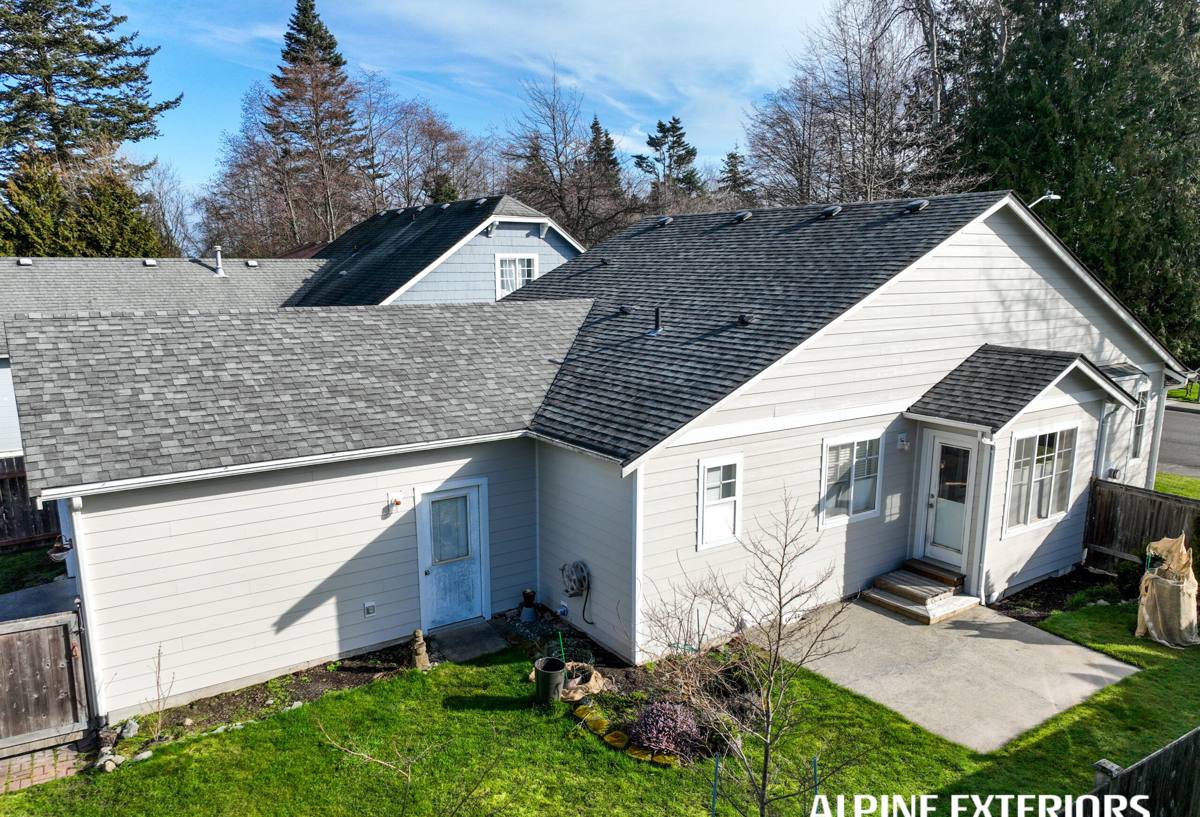
 New Roof Installation for Terrell Creek Homes
Terrell Creek sits in that low, green stretch of Whatcom County between Birch Bay and the surrounding wetlands and timber, and the homes here take a different kind of weather beating than houses further inland. Between the salt-tinged air rolling in off Birch Bay, the steady winter rain, and the shade cover that keeps roofs damp long after a storm passes, a roof in this pocket of the county works harder than most. When it's time for a new roof, the details that matter here aren't the same details that matter in a drier, more exposed part of Whatcom County — and a roof built without that in mind tends to show its age early.
This page is about one job done right in one specific area: full new roof installation for homes in and around Terrell Creek. Not a repair patch, not a general overview of roofing — the full tear-off-to-final-inspection process, and what it needs to look like for a house that sits in this particular microclimate.
Why Terrell Creek's Climate Changes the Job
A new roof installed here has to hold up against three things working together, not separately: salt-laden coastal air, prolonged wet seasons, and shade from the creek corridor's tree cover. Any one of these is manageable on its own. Together, they shorten the life of a roof that isn't built with all three in mind.
Salt Air
Proximity to Birch Bay means airborne salt reaches roofs here more than it does further inland in Whatcom County. Salt exposure accelerates corrosion on exposed metal — flashing, fasteners, vent caps, and any hardware left unprotected. It's not dramatic or fast, but over years it's the difference between flashing that lasts the life of the roof and flashing that needs early replacement.
Driving Rain
Winter storms in this part of the county don't just drop rain straight down — wind off the water pushes it sideways, forcing water up under shingle edges, around vent boots, and into any gap in the underlayment that a fair-weather installation might get away with. A roof here needs water-shedding details that assume wind-driven rain as the normal case, not the exception.
Long Moss Season
Tree cover along the creek keeps roof surfaces shaded and slow to dry, which is exactly what moss and algae need to take hold. Once moss establishes itself on a roof, it holds moisture against the shingle surface, lifts edges, and shortens the life of the roofing material significantly faster than a roof that dries out between rains.
What a Correct New Roof Installation Includes
A new roof is only as good as what's underneath it. Shingles get the attention, but the layers below them do most of the actual work of keeping water out.
- Tear-off and deck inspection: Full removal of the old roofing so the deck can be checked for rot, soft spots, or water staining — problems that are invisible until the old layers come off.
- Deck repair as needed: Any damaged sheathing gets replaced before anything new goes down. Installing new roofing over a compromised deck just hides the problem.
- Ice-and-water shield at vulnerable points: Eaves, valleys, and penetrations get self-adhering waterproof membrane, not just felt — this is the layer that matters most when rain is being driven sideways.
- Synthetic underlayment across the field: A durable, water-resistant layer under the whole roof, not just the high-risk areas.
- Corrosion-resistant flashing and fasteners: Given the salt air here, standard-grade hardware is the wrong call. Flashing and fasteners rated for coastal exposure hold up where cheaper hardware corrodes early.
- Proper ventilation: Balanced intake and exhaust ventilation keeps the attic dry and the roof deck at a stable temperature, which matters for both moisture control and shingle lifespan.
- Algae-resistant shingle selection where appropriate: Given the moss and algae pressure from shade cover near the creek, shingle products with algae-resistant granules are worth discussing for this location specifically.
- Final inspection and cleanup: Nails and debris cleared from the property, and a walk-through so you know exactly what was done.
Roofing Material Considerations for This Area
There's no single "best" roofing material for every home — it depends on your roof's shade exposure, budget, and how long you plan to stay in the home. Here's how the common options stack up for a Terrell Creek property specifically.
| Material | Moss/Algae Resistance | Salt Air Durability | Typical Lifespan |
|---|---|---|---|
| Standard asphalt shingle | Moderate — benefits from algae-resistant granule upgrade | Good, with corrosion-resistant flashing | 20–25 years |
| Algae-resistant asphalt shingle | Strong — designed for shaded, damp climates | Good, with corrosion-resistant flashing | 25–30 years |
| Metal roofing | Strong — sheds moss more easily than granular surfaces | Requires coastal-rated coatings and fasteners | 40–50 years |
| Wood shake/shingle | Weak in shaded, damp conditions without diligent maintenance | Moderate — needs regular treatment | 15–30 years, maintenance-dependent |
For most Terrell Creek homes under tree cover, we steer conversations toward algae-resistant asphalt shingles or metal roofing, simply because both handle the shade-and-moisture combination with less ongoing maintenance. Standard shingles aren't wrong for every house — but if your roof sits under significant shade, it's worth weighing the upgrade against the cost of dealing with moss down the line.
Signs Your Terrell Creek Home May Need a New Roof
Not every roofing issue means full replacement, but in this climate, several signs together usually point that direction rather than toward another round of patching.
- Shingles that are cupping, curling, or losing granules in patches
- Moss growth that returns quickly after cleaning, especially on north-facing or shaded slopes
- Soft spots or sagging visible from the ground or attic
- Water stains on interior ceilings, particularly after wind-driven storms
- Flashing around chimneys, vents, or valleys that's visibly rusted or lifting
- A roof approaching or past 20 years old with no major upgrades since installation
Our Process for Terrell Creek Roof Installations
We work this part of Whatcom County regularly, which means the crew showing up at your house already understands what this microclimate does to a roof — we're not learning your neighborhood's weather patterns on your job.
1. On-Site Assessment
We walk the roof and attic, check ventilation, look for existing moss or moisture damage, and talk through what your specific site — shade level, exposure to prevailing wind and salt air, roof pitch — means for material and detailing choices.
2. Clear, Written Estimate
You get a straightforward scope and price before any work starts, including what materials are specified and why, so there's no ambiguity about what you're paying for.
3. Tear-Off and Deck Check
Old roofing comes off, the deck gets inspected, and any needed repairs are handled before new materials go down.
4. Installation to Local Conditions
Ice-and-water shield at vulnerable points, corrosion-resistant hardware, proper ventilation, and correct shingle or metal installation for wind-driven rain — built for what this location actually experiences, not a generic installation.
5. Final Walk-Through
We review the completed roof with you, cover basic maintenance expectations for this climate, and make sure the property is left clean.
Why Local Experience Matters for This Job
A roofing crew that only occasionally works near Birch Bay may install a perfectly competent roof by generic standards and still miss the details that matter here — under-specifying flashing hardware for salt exposure, skipping algae-resistant shingle options for a shaded lot, or underestimating how much wind-driven rain a valley needs to shed. A crew that regularly works Terrell Creek and the surrounding Birch Bay area has already seen how roofs in this specific spot age, what fails first, and what holds up. That's not a marketing point — it's the difference between a roof that needs attention again in eight years and one that goes the full distance.
Maintenance After Installation
A new roof installed correctly for this climate still benefits from basic upkeep, especially given the moss pressure here.
- Have gutters cleared at least twice a year — clogged gutters back water up under roof edges
- Schedule a roof inspection every year or two, particularly after major windstorms
- Address any new moss growth early rather than letting it establish
- Keep overhanging branches trimmed back where practical to reduce shade and debris buildup
- Check attic ventilation periodically to confirm it's still functioning as intended
Get an Estimate for Your Terrell Creek Roof
If your roof is showing its age, dealing with recurring moss, or simply due for replacement, we're glad to come take a look and give you a straight answer about what it needs. Use the form below to request a free, no-pressure estimate for new roof installation at your Terrell Creek property.