 Birch Bay Siding
 New Roof Installation for Custer Homes
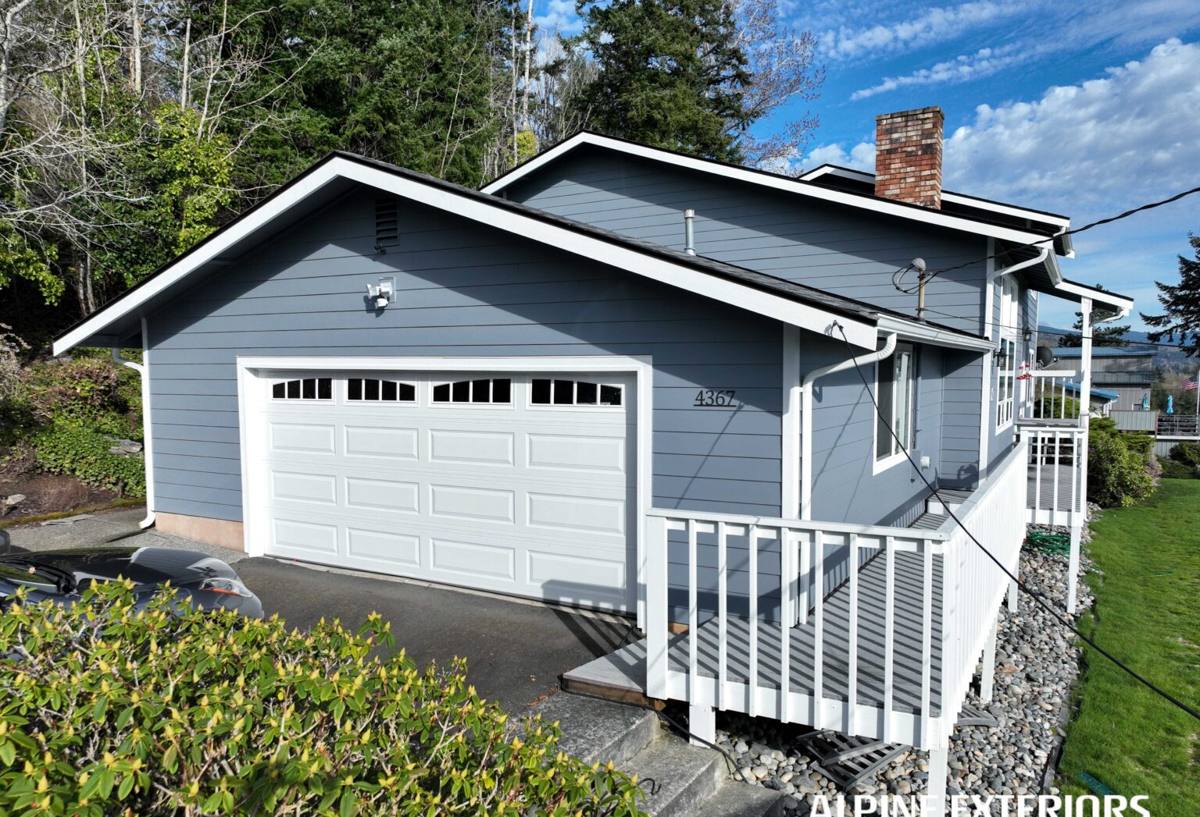
Custer sits close enough to the water that homes here deal with a different set of pressures than roofs twenty miles inland. Salt-laden air off Birch Bay and the Strait, wind-driven rain that comes in sideways more often than straight down, and a wet season that stretches long enough to grow a healthy crop of moss on anything north-facing — all of it adds up to a roof that has to work harder than the manufacturer's spec sheet assumes. When we install a new roof in Custer, we're not just nailing down shingles to a plan; we're building a system that's supposed to hold up against this specific stretch of Whatcom County weather for decades.
This page covers what a correct roof installation looks like for a Custer property, the decisions that matter most given our climate, and how our process runs from first look to final cleanup.
What Custer's Climate Actually Does to a Roof
Salt Air
Proximity to Birch Bay and the Strait of Georgia means airborne salt settles on roofing materials and metal components year-round, not just during storms. Salt accelerates corrosion on exposed fasteners, flashing, and any metal that isn't rated for coastal exposure. It's a slow process, but it's constant, and it's the reason we're picky about the metal we specify on Custer jobs.
Driving Rain
Wind off the water rarely lets rain fall straight down. That sideways push finds every gap in flashing, every underlapped shingle course, and every place where a roofer cut a corner on underlayment. A roof that would perform fine in a calm inland yard can leak in Custer if the water-shedding details aren't built for wind-driven rain specifically.
Long Moss Season
Shade, moisture, and mild temperatures for most of the year give moss a long runway in Custer. Moss holds moisture against the roof surface, works its way under shingle tabs, and can lift material enough to start leaks well before the shingles themselves are worn out. A new roof installed without moss prevention built in is starting its clock early.
What a Correct New Roof Installation Involves
A roof is a system, not a single layer. Skipping or shortcutting any one part of it undercuts the whole job, especially in a climate that's actively testing every seam.
Tear-Off and Deck Inspection
We remove the old roofing down to the deck rather than layering over it. That's the only way to actually see what's underneath — soft spots, rot, old leaks that were never addressed, and ventilation problems that have been hidden under shingles for years. Any damaged decking gets replaced before anything new goes down; installing new roofing over a compromised deck just guarantees an early failure.
Underlayment
Given how much wind-driven rain Custer sees, we use synthetic underlayment as a full-coverage water barrier, with self-adhered ice-and-water membrane at the eaves, valleys, and any low-slope transitions where water is most likely to back up or get pushed uphill by wind.
Flashing
Flashing around chimneys, vents, skylights, and roof-to-wall transitions is where most roof leaks actually start — not in the field of the shingles. We use corrosion-resistant metal appropriate for coastal exposure and install it in the correct layered order with the underlayment and shingles, not caulked on as an afterthought.
Shingle or Material Installation
Nailing pattern, exposure, and starter course placement all matter more in a high-wind coastal area than they do somewhere sheltered. We follow manufacturer specs for high-wind installation, which typically means additional fasteners per shingle and tighter attention to sealant strip activation.
Ventilation
Proper intake and exhaust ventilation keeps the attic dry and temperature-balanced, which matters for both the underside of the deck and for moss prevention — a well-ventilated roof dries out faster after our long wet stretches, giving moss less to work with.
Choosing a Roofing Material for Custer
There's no single "best" roofing material — the right choice depends on budget, roof pitch, how long you plan to stay in the home, and how much maintenance you want to take on. Here's how the common options stack up for a Custer property specifically.
| Material | Coastal/Salt Performance | Moss Resistance | Typical Lifespan |
|---|---|---|---|
| Architectural asphalt shingle | Good with corrosion-resistant flashing and fasteners | Moderate — benefits from algae-resistant granules and periodic cleaning | 25–30 years |
| Standing seam metal | Very good when specified in a coastal-rated finish/gauge | Excellent — smooth surface sheds moisture, little for moss to grip | 40–50+ years |
| Cedar shake | Fair — needs regular maintenance near salt air | Poor without diligent upkeep — holds moisture, moss-prone | 20–30 years with upkeep |
| Composite/synthetic shake | Good | Good — engineered surface resists moisture retention | 30–50 years |
Most Custer homeowners land on architectural asphalt shingle for the balance of upfront cost and performance, or standing seam metal when they want to minimize long-term maintenance and moss battles. We'll walk through the trade-offs for your specific roof rather than push one product across the board.
Why We're Selective About Certain Products
We don't install every product on the market, and that's a deliberate standard rather than a knock on any single brand. Some lower-tier shingle lines and shortcut metal systems perform fine in mild, dry climates but show their weaknesses fast under sustained salt exposure and wind-driven rain — thinner gauge metals corrode quicker, and shingles without a strong algae-resistant granule package moss over faster. We'd rather install fewer product lines well than install anything a homeowner asks for and watch it underperform in three years.
Our Installation Process
1. On-Site Assessment
We inspect the existing roof, deck condition (where visible), ventilation setup, flashing points, and any trouble spots like valleys or low-slope sections. We also look at exposure — how much wind and moisture your particular lot and roof orientation are dealing with.
2. Written Estimate
You get a clear scope of work and pricing before anything is scheduled — materials, tear-off, disposal, and any deck repair contingencies spelled out, not buried in a lump sum.
3. Material Selection
We help you weigh cost, appearance, and long-term performance for your specific roof, with honest input on what actually holds up in Custer conditions versus what looks good on a sample board.
4. Tear-Off and Deck Repair
Old roofing comes off, the deck gets inspected, and any needed repairs are done before new material goes down.
5. Underlayment, Flashing, and Roofing Installation
Installed in the order and manner described above, with particular attention to the wind and moisture details that matter most in this location.
6. Final Walkthrough and Cleanup
We walk the finished roof and the property with you, check for stray debris and nails, and answer any questions about maintenance going forward.
Why a Local Crew Matters for This Job
A roofing crew that regularly works Birch Bay and Custer knows the wind patterns off the water, which roof orientations take the worst of the driving rain, and which shaded north slopes are going to need moss prevention built in from day one. That's not something you get from a general regional contractor working from a generic spec sheet — it's site-specific knowledge built from doing this work in this exact climate, repeatedly, on homes with the same exposure yours has.
Being local also means we're not disappearing after the invoice clears. If a question comes up six months or two years after installation, we're still working in the neighborhood and easy to reach.
Maintenance That Protects Your Investment
A correctly installed roof still benefits from basic upkeep, especially in a climate that's actively working against it. A short annual routine goes a long way:
- Clear moss and debris from the roof surface and gutters before the wet season builds, especially on shaded or north-facing slopes.
- Check flashing around chimneys, vents, and skylights visually each year for lifted edges or gaps.
- Keep gutters and downspouts clear so water isn't backing up under the eaves during heavy rain.
- Trim overhanging branches that keep sections of the roof shaded and damp longer than necessary.
- Have any granule loss, curling, or soft-looking sections checked promptly rather than waiting for a visible leak.
- After major windstorms, do a quick visual check for lifted or missing shingles.
Signs You May Need a New Roof, Not a Repair
Not every roofing issue calls for a full replacement, but in Custer's climate certain signs usually mean the roof's overall system is failing rather than one isolated spot:
- Widespread granule loss or shingles that look bald in patches across multiple slopes.
- Moss that keeps returning heavily within months of cleaning, suggesting the roof surface is staying wet longer than it should.
- Multiple past repairs in different areas rather than one recurring trouble spot.
- Visible sagging anywhere on the roofline.
- Daylight visible through the roof deck from inside the attic, or consistent staining on interior ceilings.
- A roof approaching or past the upper end of its expected lifespan combined with any of the above.
Get a Free, No-Pressure Estimate
If your Custer home needs a new roof, or you're not sure yet whether repair or replacement makes more sense, we're glad to take a look and give you a straight answer. Fill out the form below to schedule a free estimate — no pressure, just a clear picture of what your roof needs and what it would take to do it right.