 Birch Bay Siding
 Metal Roofing in Sandy Point: A Different Kind of Exposure
Sandy Point sits right on the water in northern Whatcom County, close enough to the bay that homes here take a steadier dose of salt-laden air than properties even a few miles inland. Add in driving rain that comes in sideways off the water during fall and winter storms, plus a moss season that can run most of the year on shaded roof planes, and you've got an environment that's genuinely tougher on a roof than the regional average. Metal roofing can handle that combination well when it's specified and installed correctly for this exposure. When it's treated like a generic product install, the same corrosive air and moisture that make metal roofing attractive in the first place are exactly what expose a cut corner.
We install metal roofing on homes in and around Sandy Point and the broader Birch Bay area, and we treat coastal exposure as the starting point for every decision on the job, not an afterthought. That shows up in the coating grade we spec, the fastener hardware we use, and how we detail flashing at every transition on the roof.
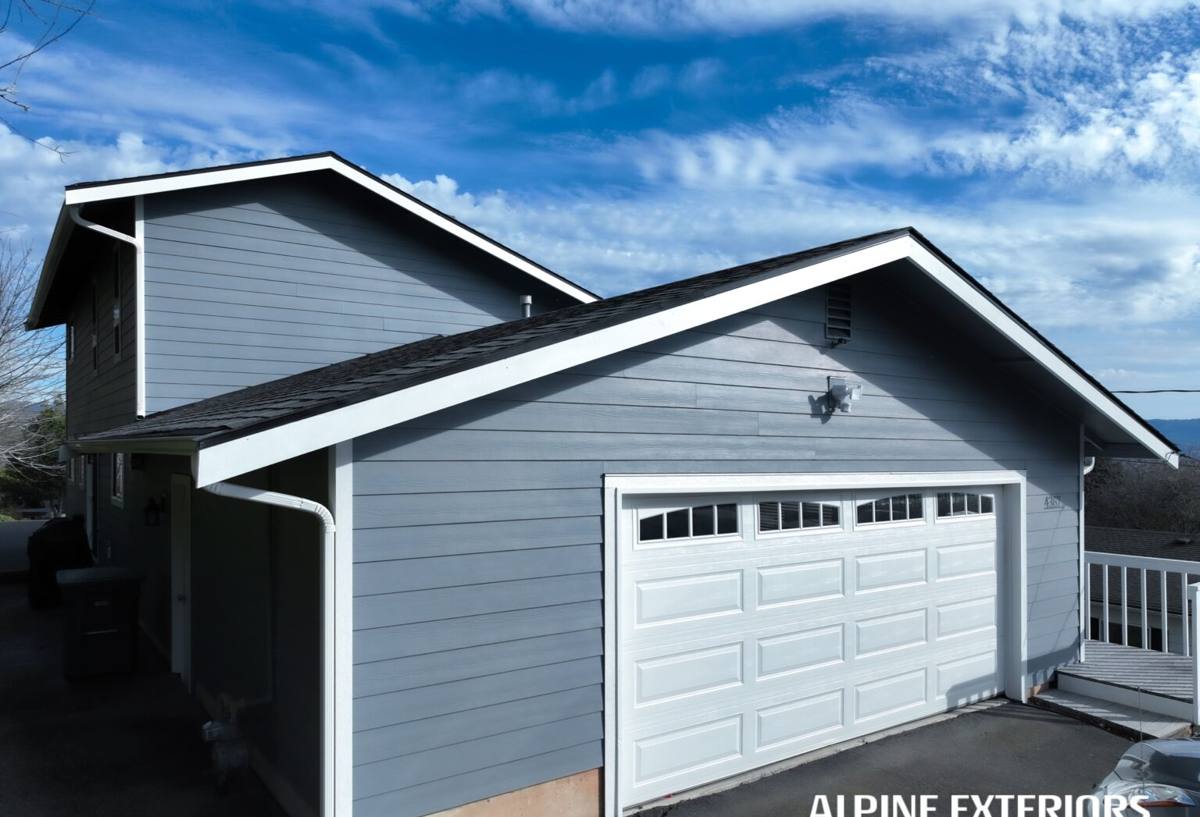
What Correct Metal Roofing Installation Looks Like Here
A metal roof is only as good as the details underneath and around the panels. On a waterfront lot like Sandy Point, a handful of those details matter more than they would on a sheltered, inland roof.
Underlayment and Moisture Barrier
Metal panels shed water fast, but wind-driven rain can still work its way under panel edges and laps during a hard storm. A synthetic, high-temperature underlayment underneath the panels is the backup layer that keeps that moisture off the roof deck. We treat that underlayment as a required part of the system on every install, not an optional upgrade, because it's the difference between a roof that shrugs off a bad storm and one that develops a slow leak nobody notices until there's staining on a ceiling.
Fastener Grade and Corrosion Resistance
Fasteners are one of the first things salt air attacks. Standard hardware can start showing surface corrosion within a few seasons this close to the water, and a corroded fastener head is a weak point that eventually lets water in. We use fastener systems rated for coastal, high-corrosion exposure, matched to the panel material so we're not creating a galvanic reaction between dissimilar metals at every screw point.
Flashing at Valleys, Walls, and Penetrations
Valleys, chimney penetrations, vent boots, and roof-to-wall transitions are where most roof leaks actually start, on metal roofs and every other type. Wind-driven rain off the bay pushes water into these transitions harder than a calm, inland rain does, so the flashing detail has to account for lateral water movement, not just water running downhill. We lap and seal these transitions to handle sideways-driven rain specifically, since that's the real-world condition a Sandy Point roof deals with several times a year.
Ventilation
A metal roof needs the attic and roof deck underneath it to be able to dry out between storms. Proper intake and exhaust ventilation keeps condensation from building up on the underside of the panels and keeps the roof deck from staying damp longer than it should, which matters in a climate that doesn't give a roof many fully dry stretches.
Panel Types and Profiles: What Fits Sandy Point Homes
Not every metal roofing product is the same product wearing a different name. The panel type and coating both affect how a roof performs in salt air and heavy moisture, and homeowners deserve a straight comparison rather than a single default pitch.
| Panel Type | Fastening | Coastal Performance | Typical Trade-Off |
|---|---|---|---|
| Standing seam | Concealed clips, no exposed fasteners on the field | Fewer penetration points for water and corrosion; strong choice for direct salt exposure | Higher material and labor cost |
| Exposed fastener panel | Screws driven through the panel face | Can perform well with the right fastener grade and gasket, but every screw is a maintenance point | Lower upfront cost, more long-term fastener upkeep |
| Stone-coated steel | Concealed or exposed depending on system | Coating adds a wear layer but adds another surface that can be compromised at cut edges | Heavier system; installation detail at cuts matters more |
For a property with direct, unobstructed exposure to wind off the water, we generally steer homeowners toward standing seam because it minimizes the number of places water and salt air can get at a fastener. That said, exposed fastener systems have a legitimate place on more sheltered elevations or secondary structures, and we'll walk through the real trade-offs for your specific roof rather than defaulting to the most expensive option out of habit.
Salt Air and Metal Roofing: What Homeowners Should Know
Metal roofing has a reputation for holding up well in coastal climates, and that reputation is earned when the system is specified correctly. It's also easy to undercut with the wrong details.
- Coating grade matters: Not all factory finishes are rated the same for coastal, high-salt exposure. We spec coatings built for marine environments rather than a generic residential-grade finish.
- Cut edges need protection: Every field cut on a metal panel exposes bare steel or aluminum at that edge. Left untreated, that's where corrosion starts first. Cut edges get sealed or coated as standard practice, not skipped to save a step.
- Dissimilar metals cause galvanic corrosion: Mixing incompatible metals — the wrong fastener in the wrong panel material, for example — sets up a reaction that accelerates corrosion at the contact point. We match hardware to panel material for that reason.
- Gutters and trim need the same consideration: A well-built metal roof paired with mismatched or lower-grade gutter and trim metal just moves the corrosion problem to a different part of the system.
Moss and Algae on a Metal Roof
Metal roofing generally resists moss better than shingle or shake roofing, since there's no porous surface for spores to root into the way there is with organic roofing materials. That doesn't mean a Sandy Point roof is immune. Debris that collects in valleys, around penetrations, or in areas with heavy tree cover can hold enough moisture for moss and algae to get a foothold even on metal, especially through a long, damp season. The panel profile and slope also affect how well a roof sheds standing debris on its own.
Good gutter and downspout sizing plays a bigger role here than people expect. If water isn't clearing the roof efficiently during a heavy rain event, it backs up, slows down, and gives debris and moss more time to sit against the panels instead of washing off. We size and route drainage with that in mind rather than treating gutters as an afterthought once the roofing is done.
Our Process for Sandy Point Roofing Projects
We start with an on-site assessment of the existing roof, looking specifically at how it's handled wind exposure, moisture, and any moss or debris buildup over time. From there we put together a clear, written scope covering panel type, coating grade, flashing details, and ventilation, so there's no ambiguity about what's being installed before work starts.
Tear-off and deck inspection come next — any soft, rotted, or water-damaged decking gets addressed before a new panel ever goes down, since installing a metal roof over a compromised deck just hides the problem. Panel installation follows manufacturer spec for fastening pattern, seam sealing, and flashing integration at every valley, wall, and penetration. We finish with a walkthrough so you understand what was done and what, if anything, needs periodic attention going forward.
Cost Factors for Metal Roofing in This Area
Metal roofing costs vary more than shingle roofing because panel type, coating grade, and roof complexity all move the number independently. Rather than quote a single figure that won't hold up across different homes, here's what actually drives cost on a Sandy Point project.
| Factor | Why It Matters Here |
|---|---|
| Panel type (standing seam vs. exposed fastener) | Standing seam costs more upfront but reduces long-term fastener exposure to salt air |
| Roof complexity (valleys, dormers, penetrations) | More transitions mean more flashing work, which is where coastal leaks typically start |
| Coating and material grade | Marine-rated coatings and corrosion-resistant fasteners cost more but matter directly this close to the water |
| Deck condition underneath the existing roof | Rot or water damage found at tear-off adds repair work before the new roof can go on |
| Access and site conditions | Waterfront lots and narrower private roads can affect staging and material delivery logistics |
We give a written, itemized estimate after the on-site assessment so you're pricing your actual roof, not a generic average.
Maintenance Checklist for a Sandy Point Metal Roof
A correctly installed metal roof is low-maintenance compared to most other roofing materials, but "low-maintenance" isn't "no-maintenance" in a climate like this one.
- Clear debris from valleys and around penetrations at least once or twice a year
- Check that gutters and downspouts are flowing freely, especially after storms with heavy wind
- Look for any lifted, loose, or visibly corroded fasteners on exposed-fastener systems
- Inspect flashing at chimneys, vents, and wall transitions for lifted edges or failed sealant
- Watch shaded, north-facing roof planes for early moss or algae growth and address it before it spreads
Why a Crew That Already Works Sandy Point Matters
A roofing crew that regularly works Sandy Point and the surrounding Birch Bay waterfront already knows how this specific exposure behaves — how far wind-driven rain pushes water sideways into a valley, which elevations take the worst of the salt air, and how access and staging work on the private roads and tighter lots common to this community. That familiarity shows up in the flashing details, the fastener grade, and the drainage planning on your specific roof, and those are exactly the details that decide whether a metal roof performs for decades or starts showing problems within a few wet seasons.
If you're weighing metal roofing for a home in Sandy Point or nearby, we're glad to walk the roof with you and give a straightforward read on what it actually needs. Reach out below for a free, no-pressure estimate.