 Birch Bay Siding
 Windows Built for Marietta's Coastal Whatcom County Climate
Marietta sits close enough to the water that homes here take a different kind of weather beating than houses even a few miles inland. Salt-laden air off the water works into window frames and hardware year-round, wind-driven rain gets pushed sideways into gaps that would stay dry elsewhere, and the long, damp Whatcom County moss season keeps trim, sills, and glazing surfaces wet for weeks at a time. Windows that aren't installed with that combination in mind don't fail because the product was bad — they fail because the flashing, sealant, and drainage details weren't matched to the exposure.
We've installed and replaced windows on homes throughout Birch Bay and the surrounding Marietta area long enough to know which failure patterns show up here specifically: black staining at the bottom corners of frames, soft trim under exterior sills, and fogged double panes on the walls that catch the most wind and rain. A correct installation addresses all three before they start, not after.
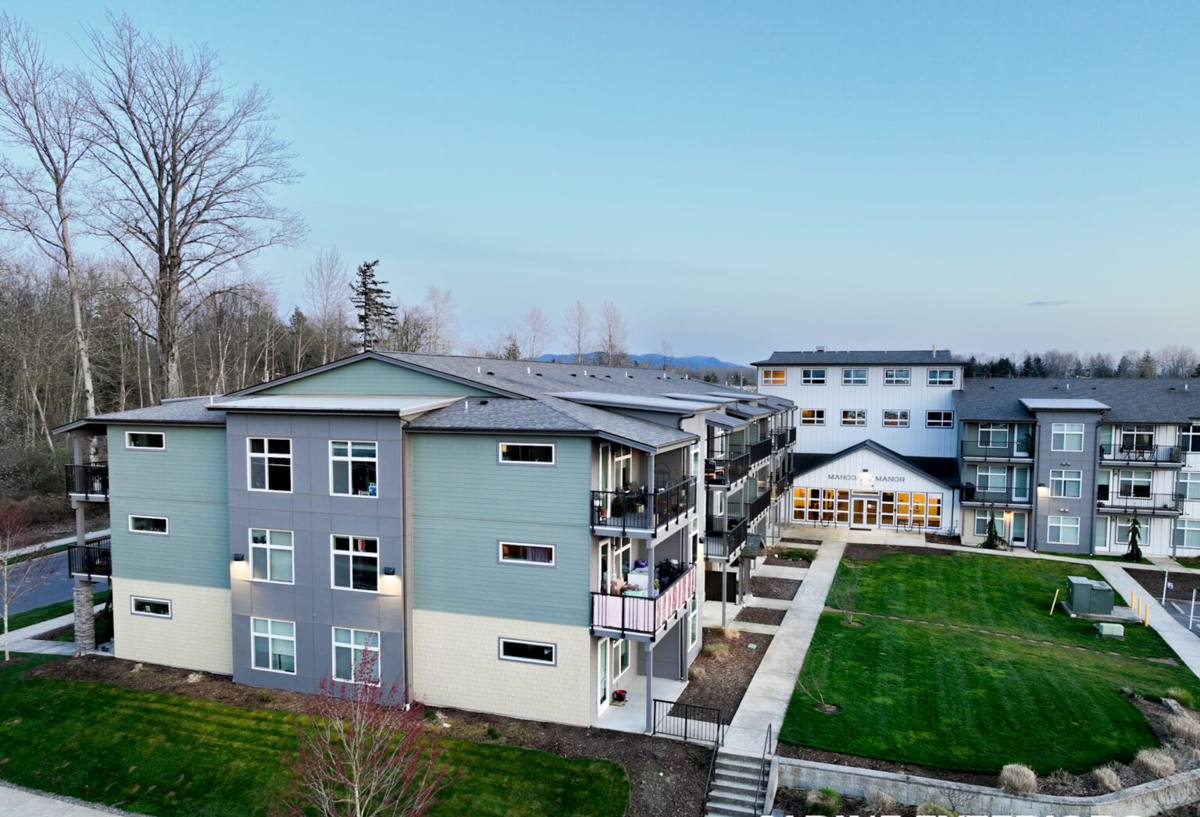
Signs a Marietta Home Needs New Windows
Most window problems on the coast show up slowly, and homeowners often adjust to them without realizing how much they're losing in comfort and energy efficiency. Watch for these signs, especially on walls that face prevailing wind and rain:
- Fogging or a visible haze between panes — the seal on the insulated glass unit has failed
- Soft, discolored, or spongy wood trim around the frame, especially at the bottom corners
- Drafts you can feel with a hand near the frame edge on a windy day
- Difficulty opening, closing, or latching a window that used to operate smoothly
- Visible daylight or gaps between the sash and frame
- Rising heating bills without another clear explanation
- Green or black growth building up on the sill or lower frame faster than it should
Any one of these on its own isn't an emergency. Several together, or any sign of soft wood at the sill, usually means moisture has already gotten past the seal and is worth having looked at before it spreads into the wall framing.
What a Correct Installation Actually Involves
It's the Flashing and Sealing, Not Just the Window
The window unit itself is a small part of what makes an installation last in this climate. Most of the work — and most of what separates a good installation from one that fails in five years — happens in the flashing, house wrap integration, and sealant details around the rough opening. Water has to be directed out and down, never trapped behind the trim, and every layer has to shed water to the layer below it, the same way roof shingles work.
What We Check on Every Job
- Rough opening condition — any rot or water damage found gets addressed before the new window goes in, not covered over
- Proper sill pan flashing to direct any water that gets past the exterior back out, not into the wall
- Correct integration with the existing house wrap or weather barrier, shingle-lapped so water runs down and over, not behind
- Low-expansion foam and backer rod at the perimeter, not just caulk alone, for both insulation and a durable seal
- Exterior sealant rated for marine and coastal exposure, not a standard interior-grade caulk
- Level, plumb, and square setting so the sash operates correctly and doesn't stress the seal over time
Skipping any one of these doesn't usually cause an obvious problem on day one. It shows up two, five, or ten winters later as rot behind the trim — which is a far more expensive repair than doing the flashing right the first time.
Choosing the Right Window for This Exposure
Material and frame choice matter more here than in a dry inland climate. We steer homeowners toward products with a track record in coastal wind-and-rain exposure and away from anything that depends on perfect, unbroken maintenance to hold up — because in practice, maintenance schedules slip, and the window still has to perform.
| Frame Material | How It Handles Salt Air & Rain | Maintenance |
|---|---|---|
| Vinyl | Won't rot or corrode; handles salt exposure well | Low — occasional cleaning |
| Fiberglass | Very stable in temperature swings and wind-driven rain; strong seal retention | Low |
| Aluminum | Durable but can corrode over time in direct salt air without a marine-grade finish | Moderate |
| Wood / wood-clad | Good insulation and appearance, but exposed wood is vulnerable to the moss-season moisture cycle | High — regular inspection and finish upkeep needed |
We're not against wood-clad windows outright — they have real advantages in appearance and insulation — but on a home taking direct salt air and rain, we're honest with homeowners that it's a higher-upkeep choice, and we make sure the cladding and sealant details are done right if that's the direction chosen. For most fully exposed walls in Marietta, vinyl or fiberglass hits the best balance of performance and long-term cost.
Glass and Hardware Details Worth Knowing
Beyond the frame, a few details make a real difference on a coastal wall:
- Double-pane, argon-filled glass is standard for this climate and holds up to condensation and temperature swings better than single-pane or older units
- Low-E coatings help control heat loss through Whatcom County's cool, wet winters without meaningfully changing how the window looks
- Corrosion-resistant hardware — locks, hinges, and cranks — matters more here than in a dry climate; standard hardware can start showing rust or stiffness within a few seasons of direct salt exposure
- Weep holes (the small drainage channels at the bottom of the frame) need to stay clear; they're often the first thing that gets clogged with debris or moss spores and quietly stops doing its job
Our Installation Process
- On-site assessment — we look at existing windows, the condition of the rough openings, and which walls take the most weather before recommending anything
- Product selection — we walk through material, glass, and hardware options suited to that specific wall's exposure
- Opening prep — old windows come out, and we inspect the framing underneath for any hidden rot or moisture damage before proceeding
- Flashing and sealing — sill pan, house wrap integration, and perimeter sealing done to shed water correctly
- Installation and adjustment — window set level, plumb, and square, then tested for smooth operation
- Final exterior detailing — trim, caulking, and finish work completed to match the home
- Walkthrough — we show you the finished work and answer questions before we consider the job done
What Affects the Cost
Window installation pricing varies by project, and we won't quote a number without seeing the job — but the main factors are consistent across most Marietta and Birch Bay homes:
| Factor | Why It Matters |
|---|---|
| Number of windows | Per-window cost typically drops on larger jobs |
| Frame material | Vinyl is generally the most budget-friendly; fiberglass and wood-clad cost more upfront |
| Rough opening condition | Hidden rot or damage found during removal adds repair work before the new window goes in |
| Window size and configuration | Larger units, custom shapes, or multi-panel setups take more labor and material |
| Access and height | Second-story or hard-to-reach windows take more time and equipment |
As a broad range, most single-window replacements run from several hundred to a couple thousand dollars depending on these factors, with whole-home projects scaling accordingly. We'll give you a firm, itemized number after a walkthrough — not a phone estimate.
Why a Crew That Already Works Marietta Matters
A window installer who mostly works dry inland climates can put in a technically fine window and still get the flashing wrong for this exposure, because they're not used to designing for driving, wind-pushed rain and constant salt air. A crew that already works Birch Bay and Marietta homes has seen how these specific walls fail and builds the installation to prevent it — sill pan flashing that actually drains toward the exterior, sealant products rated for this exposure, and hardware choices that hold up instead of corroding in a few seasons.
Local also means accountability. If a seal needs a look after a hard winter storm, we're not driving in from three counties away — we're already working in the neighborhood.
Maintaining New Windows in a Coastal, Moss-Prone Climate
New windows installed correctly need very little upkeep, but a little seasonal attention extends their life considerably in this environment:
- Rinse frames and sills periodically to clear salt residue, especially after storms
- Check and clear weep holes so drainage channels don't clog with debris or moss
- Inspect exterior caulking annually and have any cracking or separation resealed promptly
- Keep gutters and downspouts clear so water isn't sheeting directly onto window heads
- Wipe down tracks and hardware to prevent grit and salt buildup from affecting smooth operation
If you're noticing drafts, fogged glass, or soft trim around your windows, or you're simply ready to replace aging windows before they become a bigger repair, we'd be glad to take a look. Reach out for a free, no-pressure estimate — use the form below to get started.