 Birch Bay Siding
 Storm Damage Roof Repair in Marietta: A Roof That Has to Handle More Than Rain
Marietta sits along the water in Whatcom County, close enough to Birch Bay and the Semiahmoo/Drayton Harbor area that homes here take on the same marine exposure that defines this whole stretch of coastline. That means a roof in Marietta isn't just shedding rain the way a roof further inland would — it's absorbing salt-laden air off the water, taking wind-driven rain sideways during winter storms, and sitting under a moss and mildew season that runs long even by Pacific Northwest standards. When a storm does real damage — torn shingles, lifted flashing, a punctured section from wind-thrown debris — the repair has to account for all of that, not just patch the visible hole and move on.
We work storm damage calls throughout Whatcom County, and Marietta's waterfront exposure puts it in the category of homes where we pay close attention to flashing, fastener corrosion, and how quickly a small storm-related opening can turn into a much bigger moisture problem if it sits through even one more wet system before it's addressed.
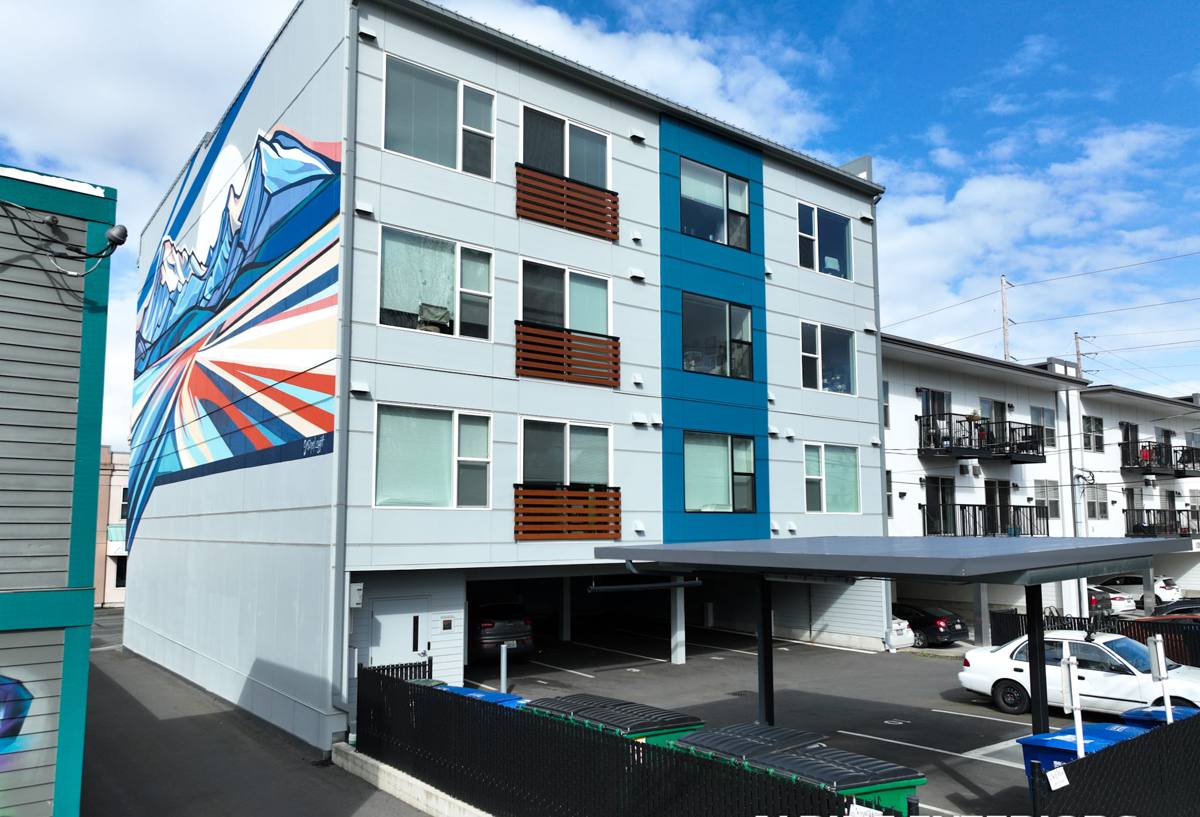
What Marietta's Climate Does to a Storm-Damaged Roof
Salt Air and Corrosion
Waterfront proximity means Marietta roofs are exposed to salt-laden air more directly and more often than homes set back inland. Salt accelerates corrosion on exposed fasteners, flashing seams, and any metal roofing components — including the very nails and flashing that are supposed to be keeping a storm-damaged section watertight. A repair that uses standard-grade fasteners instead of corrosion-resistant ones can start failing years earlier than it should in this environment.
Driving Rain
Storms coming off the Salish Sea push rain sideways into roof surfaces rather than straight down, and wind-driven rain finds its way under lifted or missing shingles, through gaps at flashing, and into any seam a storm has already compromised. That's the mechanism that turns a relatively small area of storm damage into water intrusion inside the attic or wall cavity if the repair isn't sealed correctly the first time.
A Long Moss Season
Mild, damp conditions through most of the year give moss and algae an extended growth window across Whatcom County, and a storm-damaged roof section — especially one with exposed underlayment or decking — is an easy place for it to take hold before a repair even gets scheduled. Moss holds moisture against the roofing material long after the surrounding area has dried, which is part of why storm damage left unaddressed tends to get worse faster here than it would in a drier climate.
Wind Exposure
Open water nearby means Marietta properties often see less wind break than a home tucked into denser tree cover further inland. That translates to higher wind-uplift forces on shingles and roofing edges during storms, and it's a reason ridge caps, hip lines, and roof edges are common places we find storm damage even when the main field of the roof looks intact from the ground.
Recognizing Storm Damage: What to Look For
Not all storm damage is obvious from the ground, and some of the most serious damage — a compromised underlayment, a cracked flashing seal, a soft spot in the decking — won't show up until it's already let water in. A few signs are worth checking after any significant windstorm:
- Shingles that are visibly missing, curled, cracked, or lifted at the edges
- Granules collecting in gutters or at downspout outlets, a sign of impact or wear on asphalt shingles
- Dented, creased, or lifted flashing around chimneys, vents, and roof-to-wall transitions
- Visible daylight through the roof deck when viewed from inside the attic
- Water stains, discoloration, or sagging on interior ceilings following a storm
- Debris — branches, siding fragments from neighboring structures — lodged on the roof surface
- Gutters pulling away from the fascia or showing new dents and damage
Any one of these is a reason to get the roof looked at promptly rather than waiting for a bigger sign of trouble. In this climate, the gap between "small storm damage" and "active leak" can close fast once wind-driven rain has an opening to work with.
Why Waiting Costs More Here
A storm-damaged section that sits exposed through even one more rain event can go from a straightforward shingle and flashing repair to a decking replacement, insulation replacement, and interior repair job. Whatcom County's rain frequency means that "one more storm" often arrives within days, not weeks, which is part of why we treat storm damage calls as time-sensitive rather than something to schedule around other work.
What a Correct Storm Damage Repair Actually Involves
A proper storm damage repair goes beyond replacing the shingles that are obviously missing. It starts with confirming the extent of the damage — including checking the decking underneath for soft spots, verifying the underlayment is intact in the surrounding area, and inspecting flashing at any nearby penetrations, since storm forces that damage shingles often stress flashing seams at the same time even when it isn't visibly torn.
- Assess the full extent: Damage often extends beyond the visibly missing or torn shingles, especially at ridge lines, hips, and flashing transitions.
- Check the decking: Any section that's been exposed to weather needs the deck underneath inspected for soft spots or moisture intrusion before new roofing goes back on.
- Replace underlayment where compromised: A torn or saturated underlayment section needs to be replaced, not just covered back over.
- Match materials correctly: Shingle color, profile, and weight should match the existing roof closely enough that the repair doesn't stand out or create a performance mismatch.
- Re-flash and reseal: Flashing that was disturbed during the storm or during the repair itself needs to be properly lapped and sealed, not just caulked over.
- Use corrosion-resistant fasteners: Given the salt air exposure common to Marietta and surrounding waterfront areas, standard fasteners are a false economy on repair work.
Repair vs. Full Roof Replacement: How We Make the Call
Storm damage doesn't automatically mean a full roof replacement, and it doesn't automatically mean a simple patch either. The right call depends on the age and condition of the roof beyond the storm-damaged area, how much of the roof surface is affected, and whether the damage exposed underlying problems — deteriorated decking, an aging underlayment, prior repairs that weren't done correctly — that were there before the storm.
| Situation | Repair Usually Makes Sense | Replacement Usually Makes Sense |
|---|---|---|
| Isolated wind damage on a roof under 10-15 years old | Yes, targeted repair | Not necessary |
| Storm damage on a roof already near the end of its service life | Short-term only | Yes, repair cost approaches replacement value |
| Widespread granule loss and shingle brittleness found during inspection | Rarely lasting | Yes, storm exposed pre-existing wear |
| Isolated flashing failure with sound surrounding shingles | Yes | Not on its own |
| Decking found soft or rotted under the damaged area | Depends on extent | Yes, if rot is widespread |
We give a straightforward answer on which category a given roof falls into rather than defaulting to whichever option is more profitable. A roof with years of useful life left is usually better served by a well-executed repair than an unnecessary full replacement.
Insurance and Documentation
Storm damage repairs often involve a homeowner's insurance claim, and the way a repair is documented matters for that process. We photograph damage before beginning work, keep a record of what was found once material is removed — including anything under the surface that wasn't visible beforehand — and provide a written scope of work that lines up with what an adjuster will typically want to see. We're not a public adjuster and don't represent the claim on a homeowner's behalf, but thorough documentation makes the claims process smoother regardless of who's handling it.
Our Process for Marietta Storm Damage Calls
- An on-site inspection of the storm-damaged area and the surrounding roof, including an attic check where accessible, to confirm the full extent of the damage.
- A written assessment explaining what's damaged, what's driving the recommendation, and whether repair or replacement is the right call.
- Temporary weatherproofing if the damage is actively exposing the home to water intrusion and the full repair can't happen immediately.
- The repair itself — decking, underlayment, flashing, and roofing material addressed together rather than just the top layer.
- A final walkthrough confirming the repair matches the surrounding roof and that flashing and seams are properly sealed.
Cost Factors for Storm Damage Repair
Every storm damage job is different, but a few factors consistently drive the cost up or down. Knowing these ahead of time helps set realistic expectations before an estimate.
| Factor | Effect on Cost |
|---|---|
| Size of the damaged area | Larger areas require more material and labor, though very small isolated repairs can carry a minimum service cost |
| Decking condition underneath | Rotted or soft decking adds material and labor beyond the roofing repair itself |
| Roof pitch and accessibility | Steep or hard-to-access roof sections take longer and require additional safety setup |
| Material match availability | Discontinued or hard-to-match shingle colors can add cost or require a broader repair area |
| Flashing complexity | Roofs with multiple penetrations, valleys, or transitions near the damage take more time to re-flash correctly |
Why a Crew That Already Works Marietta Matters
A contractor who regularly works this part of Whatcom County already understands how storms move through the area, how exposed a given roof orientation is to wind-driven rain off the water, and which fastener and flashing choices actually hold up against sustained salt air rather than failing early. That local familiarity shows up in the details — how a repair is flashed, what hardware grade gets specified, whether a small storm-damaged section gets treated as an isolated fix or checked against the rest of the roof's condition. We handle roofing, siding, windows, and decks throughout the Birch Bay and Whatcom County area, which means the crew doing a roof repair understands how it needs to tie into the rest of the building envelope, not just the shingles directly overhead.
A Checklist Before Hiring for Storm Damage Roof Repair
- Confirm current Washington contractor licensing and active liability insurance
- Ask whether they inspect decking and underlayment, not just the visible shingle damage
- Get a written scope of work and, if a claim is involved, documentation suitable for an adjuster
- Ask what fastener and flashing materials they use given the area's salt air exposure
- Confirm they offer temporary weatherproofing if the repair can't happen immediately
- Ask how the repaired section will be matched to the rest of the roof
If a recent storm has left your Marietta roof with missing shingles, damaged flashing, or a leak you're not sure about, we're happy to take a look and give an honest, no-pressure read on what it needs. Reach out below for a free estimate.