 Birch Bay Siding
 Marietta Roofs Face a Different Set of Problems
Marietta sits close enough to the water that homes here take on a different kind of weathering than roofs a few miles inland. The combination of salt-laden air, wind-driven rain off the Strait, and Whatcom County's long, damp moss season means a roof that would hold up fine in a drier part of the state can start failing early out here. We install new roofs for homes in the Marietta area regularly, and the wear patterns we see are consistent: fasteners that corrode faster than they should, moss that gets a foothold in shaded north-facing slopes and works into the shingle mat, and flashing details that were never built for this much sustained moisture exposure.
A new roof installation in this area isn't just about picking a shingle color and nailing it down. It's about choosing materials, fasteners, and underlayment that are rated for coastal exposure, and installing them with detailing that accounts for how much rain this roof will actually see over its life. That's the difference between a roof that looks good for a season and one that performs for its full warranty term.
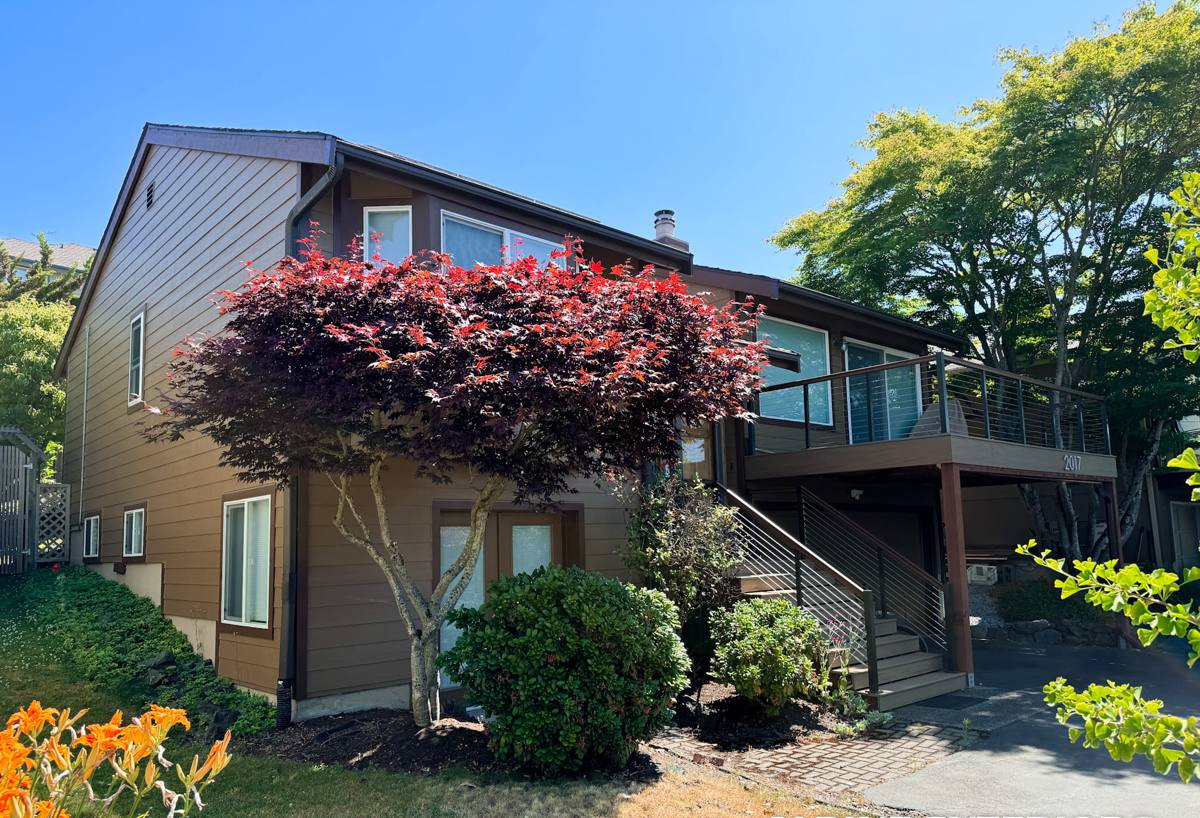
Signs a Marietta Home Needs a New Roof, Not Another Repair
Homeowners often call us for a repair and end up learning the roof is past the point where patching makes sense. Here's what tends to signal a full replacement is the smarter move:
- Granule loss heavy enough that you're finding sand-like buildup in gutters and downspouts
- Moss that's returned within a year or two of being cleaned off, especially on shaded slopes
- Shingles that are cupping, curling, or cracking across large sections rather than isolated spots
- Soft or spongy decking felt underfoot when walking the roof, a sign moisture has reached the sheathing
- Staining or streaking on interior ceilings, particularly near valleys or chimney flashing
- A roof already past 20-25 years old, regardless of how it looks from the ground
- Multiple past repairs in different areas, suggesting the underlayment is failing broadly, not just at one spot
If two or more of these apply, it's worth having someone walk the roof and give you a straight answer rather than another round of patching that just delays the inevitable.
What a Correct New Roof Installation Actually Involves
Full Tear-Off, Not a Layover
We don't install new shingles over old ones. A layover hides the condition of the decking underneath, traps moisture between layers, and voids most manufacturer warranties outright. A full tear-off lets us inspect every square foot of decking and catch soft spots or rot before they get sealed under a new roof for another two decades.
Decking Repair Before Anything Else Goes Down
Any decking that's delaminated, spongy, or water-stained gets replaced before underlayment goes on. Skipping this step is one of the most common shortcuts in the trade, and it's the one that causes the most expensive problems down the road, because by the time it shows up again, it's hidden under a finished roof.
Underlayment Built for Wet Climates
Given how much rain this area sees over a typical year, we use synthetic or self-adhering underlayment in valleys, around penetrations, and along eaves rather than relying on standard felt everywhere. This is the layer that protects your home if wind ever drives rain up under the shingle tabs, which happens more often near open water than most homeowners realize.
Flashing at Every Transition
Chimneys, skylights, sidewalls, and roof-to-wall transitions are where the majority of leaks actually start, not in the open field of shingles. Correctly installed step flashing, counter-flashing, and kick-out flashing at these points matters more for long-term dryness than almost any other single decision in the installation.
Ventilation That Matches the Home
Proper intake at the eaves and exhaust at the ridge keeps the attic dry and temperature-balanced. In a marine climate, poor ventilation doesn't just shorten shingle life from below, it also contributes to the kind of trapped moisture that feeds moss growth and rot over time.
Roofing Material Options for a Marietta Home
Every material has trade-offs. Here's how the common options stack up specifically for coastal Whatcom County exposure:
| Material | Coastal Performance | Moss Resistance | Typical Lifespan |
|---|---|---|---|
| Architectural asphalt shingle | Good with proper fasteners and underlayment | Moderate; benefits from zinc or copper strips | 25-30 years |
| Standing seam metal | Excellent; sheds water and moss fastest | High | 40-50+ years |
| Composite/synthetic shake | Good; more consistent than natural wood in wet conditions | Moderate to high | 30-40 years |
| Cedar shake | Requires diligent maintenance in this climate | Low without regular treatment | 20-30 years with upkeep |
We install asphalt shingle and metal roofing most often in this area because they give homeowners the best balance of upfront cost, warranty support, and low-maintenance performance against salt air and moss. Cedar shake can still work here, but it's an honest trade-off: it needs more frequent treatment and inspection to hold up the way it does in drier climates, and we tell homeowners that plainly rather than sell against our own experience.
Our Installation Process
- On-site inspection and roof measurement — we walk the roof, check the decking where accessible, and confirm slope, penetrations, and ventilation needs
- Written estimate with material options — a clear breakdown so you're comparing real choices, not guessing at what's included
- Scheduling around weather windows — we plan tear-off and dry-in around forecasted dry stretches, which takes local weather pattern knowledge more than luck
- Full tear-off and decking inspection — old materials removed, decking checked and repaired as needed
- Underlayment, flashing, and ventilation installed — the layers that actually determine how the roof performs over time
- Final material installation — shingles or panels installed to manufacturer spec and local code
- Cleanup and magnetic sweep — job site cleared of debris and stray fasteners
- Final walkthrough — we go over the finished roof and warranty paperwork with you directly
Ventilation and Moisture Control Near the Water
Homes close to Birch Bay and the surrounding shoreline deal with humidity and condensation issues that inland homes in Whatcom County simply don't face as often. An attic that isn't venting correctly traps that moisture, and over a few seasons it shows up as mold on rafters, premature shingle failure from underneath, and higher energy bills from a hot, damp attic in summer. When we install a new roof, we check the existing intake and exhaust balance and correct it if it's undersized or blocked, rather than just replacing the shingles and leaving an underlying ventilation problem in place.
What Drives Cost on a Marietta Roof Replacement
| Factor | Why It Matters |
|---|---|
| Roof size and number of slopes | More squares and more complex geometry mean more labor and material |
| Existing decking condition | Rot or delamination found during tear-off adds repair cost, but skipping it costs far more later |
| Material choice | Asphalt shingle, metal, and composite carry different material and install costs |
| Roof pitch and access | Steep or hard-to-access roofs take longer and require more safety setup |
| Flashing and penetration count | Chimneys, skylights, and vents each add detail work that takes time to do correctly |
| Permitting and disposal | Tear-off debris and local permitting fees are part of an honest total, not an upsell |
We give homeowners a real number after seeing the roof, not a phone-quote guess. Costs vary enough between homes that any estimate given without an inspection isn't one you should trust.
Why It Matters That We Already Work in This Area
A crew that's already worked roofs in Marietta and around Birch Bay isn't guessing at what this climate does to a roof over time, we've seen it directly, repair call after repair call. That means we know which flashing details tend to fail first on homes exposed to the wind coming off the water, which slopes hold moss the longest, and which fastener and underlayment choices actually hold up rather than just meeting the minimum code requirement. It also means we're not learning the neighborhood's weather patterns for the first time on your job, we already schedule tear-offs around this area's rain windows, because we've been doing it here for years.
If your roof is showing its age, or you just want a straight opinion on whether repair or replacement makes more sense for your home, we're happy to come take a look. The estimate is free, there's no pressure attached to it, and you'll get a clear answer either way. The form below is the fastest way to get on our schedule.