 Birch Bay Siding
 Lynden's Climate Puts Real Demands on Siding
Lynden sits inland from the Salish Sea, but it isn't spared from the weather patterns that shape siding decisions across Whatcom County. Driving rain off the water pushes moisture sideways into wall assemblies during fall and winter storms, not just straight down where gutters and overhangs can manage it. Add the region's long stretch of overcast, damp months, and you get a climate that keeps exterior surfaces wet for extended periods rather than letting them dry out between weather events.
That prolonged dampness is exactly what drives the moss and algae growth homeowners in this area fight every year. Moss doesn't just look bad on siding — it holds moisture against the surface, works into seams and butt joints, and accelerates rot in any material that isn't built to shed water and resist organic growth. Properties closer to Birch Bay and the open water pick up some salt-laden air as well, which adds a layer of corrosion risk to fasteners and metal trim that inland Lynden properties see less of, though the humidity and moss pressure remain consistent across the county.
None of this means Lynden homes need anything exotic. It means the material and the installation details have to match what this specific climate does to a wall over 20-30 years, not just what looks good on install day.
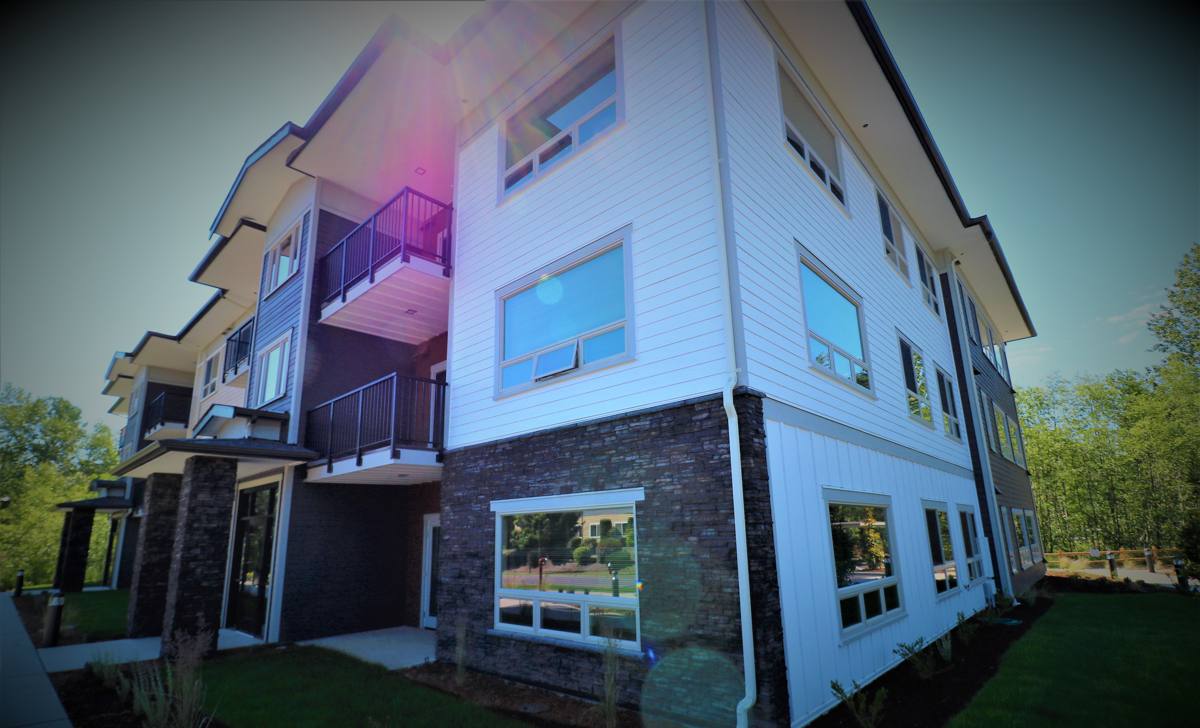
What Correct Siding Replacement Actually Involves
Siding replacement is not the same job as siding installation over an existing wall. A correct replacement in this climate starts underneath the old siding, not with the new material.
Tear-Off and Sheathing Inspection
Every full replacement should include a complete tear-off so the sheathing underneath can be inspected. This is where hidden problems show up — soft spots from long-term moisture intrusion, failed old house wrap, or flashing that was never installed correctly the first time. Covering over these issues with new siding just delays a much more expensive repair down the road.
Water-Resistive Barrier and Flashing
A new weather-resistive barrier (house wrap) gets installed as the drainage plane behind the siding, and every penetration — windows, doors, hose bibs, vents, electrical fixtures — needs proper flashing integrated with that barrier using a shingle-lap sequence so water is directed out and down, never trapped behind the cladding. Given how much driving rain this region sees, flashing details matter more here than in drier climates, and it's the step most likely to get rushed by crews unfamiliar with local conditions.
Fastening and Clearances
Fiber cement siding has specific fastening patterns, nail penetration requirements, and minimum clearances from grade, roof lines, and other flatwork. Getting these wrong doesn't show up as a problem on day one — it shows up as moisture damage, cracking, or warranty denial years later.
Our Replacement Process
We run the same disciplined sequence on every replacement, regardless of house size or siding condition:
- On-site assessment — we walk the exterior, check for moisture damage, note trim and flashing conditions, and measure for material takeoff.
- Written estimate — scope, product line, color, and timeline laid out in plain language before any work starts.
- Full tear-off — old siding and trim removed down to the sheathing.
- Sheathing repair — any damaged or rotted sheathing sections are replaced, not patched over.
- Water-resistive barrier and flashing — installed to manufacturer and code specification at every penetration.
- James Hardie siding installation — installed to Hardie's fastening and clearance specifications, which is also what keeps the manufacturer's warranty intact.
- Trim, caulking, and paint touch-up — finished details that protect edges and seams.
- Final walkthrough — we review the completed job with you before calling it done.
Signs a Lynden Home Needs Replacement, Not a Patch
Not every siding problem calls for full replacement. But in a climate that keeps surfaces damp for months at a stretch, small issues left alone tend to spread faster than homeowners expect. Consider replacement rather than spot repair if you see:
- Soft or spongy spots when you press on the siding, especially near the bottom courses or under windows
- Persistent moss or algae growth that returns within a season of cleaning
- Paint that's peeling or bubbling in patterns following seams or joints, not just general sun-fade
- Visible warping, buckling, or gaps that have widened over a year or two
- Siding older than 20-25 years, particularly wood-based products approaching the end of their realistic service life
- Interior signs like musty smells, damp drywall, or peeling interior paint on exterior-facing walls
A single soft board near a downspout might be a repair. Moisture damage showing up in two or three unrelated spots on the same elevation usually means the water-resistive barrier or flashing has failed more broadly, and that calls for a full assessment before deciding on repair versus replacement.
Why We Install Only James Hardie Fiber Cement
We don't install vinyl, LP SmartSide, or cedar, and that's a deliberate standard, not a limitation of what we're capable of doing. Each of those products has real advantages — vinyl is inexpensive and low-maintenance in mild climates, engineered wood has a warmer appearance, cedar is a genuine natural material with a long history in the Pacific Northwest. But in a climate defined by sustained dampness and a long moss season, each carries trade-offs we're not willing to install and stand behind: vinyl can warp and doesn't stop moisture from reaching what's behind it, engineered wood products rely on factory sealing that becomes a maintenance obligation over the product's life, and cedar demands ongoing refinishing to keep moisture out.
James Hardie fiber cement is manufactured from cement, sand, and cellulose fibers, which makes it non-combustible and dimensionally stable — it doesn't expand and contract with humidity the way wood-based products do, and it doesn't soften when it stays wet. Hardie's HZ5 product formulation is engineered specifically for climates like ours, with freeze-thaw cycling and prolonged moisture exposure in mind. The ColorPlus factory finish is baked on under controlled conditions, which holds up better against UV and moisture than field-applied paint and comes with its own finish warranty separate from the product warranty.
None of that removes the need for correct installation. Fiber cement installed with the wrong fastening pattern or without proper flashing will still fail — the product doesn't compensate for a rushed install. That's why the installation process matters as much as the material choice.
What Sets James Hardie Apart From Alternatives
| Consideration | James Hardie Fiber Cement | Vinyl / Engineered Wood / Cedar |
|---|---|---|
| Response to prolonged moisture | Dimensionally stable, resists swelling and softening | Vinyl can warp; wood-based products absorb moisture at cut edges and joints |
| Fire resistance | Non-combustible material | Combustible (vinyl melts, wood and engineered wood burn) |
| Finish durability | Factory-baked ColorPlus finish, separately warrantied | Field-applied or factory finishes with shorter practical lifespans |
| Maintenance over time | Occasional washing; no refinishing required | Cedar needs periodic restaining/sealing; engineered wood needs prompt repair of any breach |
| Warranty structure | Long-term, transferable manufacturer warranty when installed to spec | Varies widely by product and manufacturer |
What Drives the Cost of a Replacement Job
Every home is different, so we don't quote a number until we've actually looked at your house. What we can tell you upfront is what tends to move an estimate up or down:
| Factor | Why It Matters |
|---|---|
| Extent of hidden moisture damage | Sheathing replacement adds labor and material beyond the siding itself |
| Home size and wall complexity | More corners, dormers, and cutouts mean more cutting, fitting, and flashing detail |
| Siding profile chosen | Lap, shingle, and panel styles differ in material and labor cost |
| Trim and accessory scope | Full trim replacement costs more than reusing sound existing trim |
| Access and site conditions | Slopes, landscaping, and tight setbacks affect staging and labor time |
| Number of stories | Second-story work requires more scaffolding and safety setup |
The only way to get a real number is a site visit — anything quoted without seeing the house is a guess, and guesses tend to grow once the tear-off starts.
Why a Crew That Already Works in Lynden Matters
Siding failures in this climate usually trace back to installation shortcuts that don't show up until years later — under-lapped flashing, missing clearances at grade, or fastening that doesn't account for how much this region's humidity cycles affect a wall assembly over time. A crew that regularly works Whatcom County jobs has already seen where those shortcuts cause problems on real houses, not just in a manufacturer's installation manual.
Local familiarity also means fewer surprises with permitting and inspection expectations, and a better read on how a given property's exposure — more open to weather, more shaded and prone to holding moisture, closer to the water — should factor into flashing and drainage decisions. That judgment comes from doing the work here repeatedly, not from a one-size-fits-all install.
After the Job: Keeping Hardie Siding Performing
Part of why we stand behind James Hardie is that it asks little of homeowners after installation. A periodic rinse to keep moss and algae from establishing is the main task — the ColorPlus finish doesn't need repainting on the schedule wood siding does. Keep an eye on caulking at trim joints and around penetrations over the years, since caulking is a maintenance item on any siding system, and address any impact damage promptly so it doesn't become an entry point for moisture. Beyond that, correctly installed Hardie siding is designed to be a low-maintenance, long-service exterior for a home in this climate.
If you're weighing repair versus replacement, or just want an honest read on what your current siding will need over the next several years, we're glad to take a look. Reach out for a free, no-pressure estimate — we'll walk the exterior with you, tell you what we actually see, and put together a written scope before any work begins.