 Birch Bay Siding
 Deck Building in Lynden, Built for the Way This Weather Actually Behaves
Lynden homeowners ask for decks for the same reasons anyone does: more usable outdoor space, a place to grill, a spot for morning coffee. But a deck built in Lynden has to survive a different year than a deck built somewhere dry. Whatcom County sits close enough to the water that salt-laden air reaches inland further than most people expect, and it combines with long stretches of driving rain and a moss season that can run from late fall well into spring. A deck that isn't designed around that combination will show it within a few years, usually as soft spots, black staining, loose fasteners, or a slick, moss-covered surface that's genuinely dangerous to walk on.
We build decks in this area because we live and work in it. This page covers what a deck built for Lynden actually needs, what a correct build looks like from the ground up, and how our process works from first call to final walkthrough.
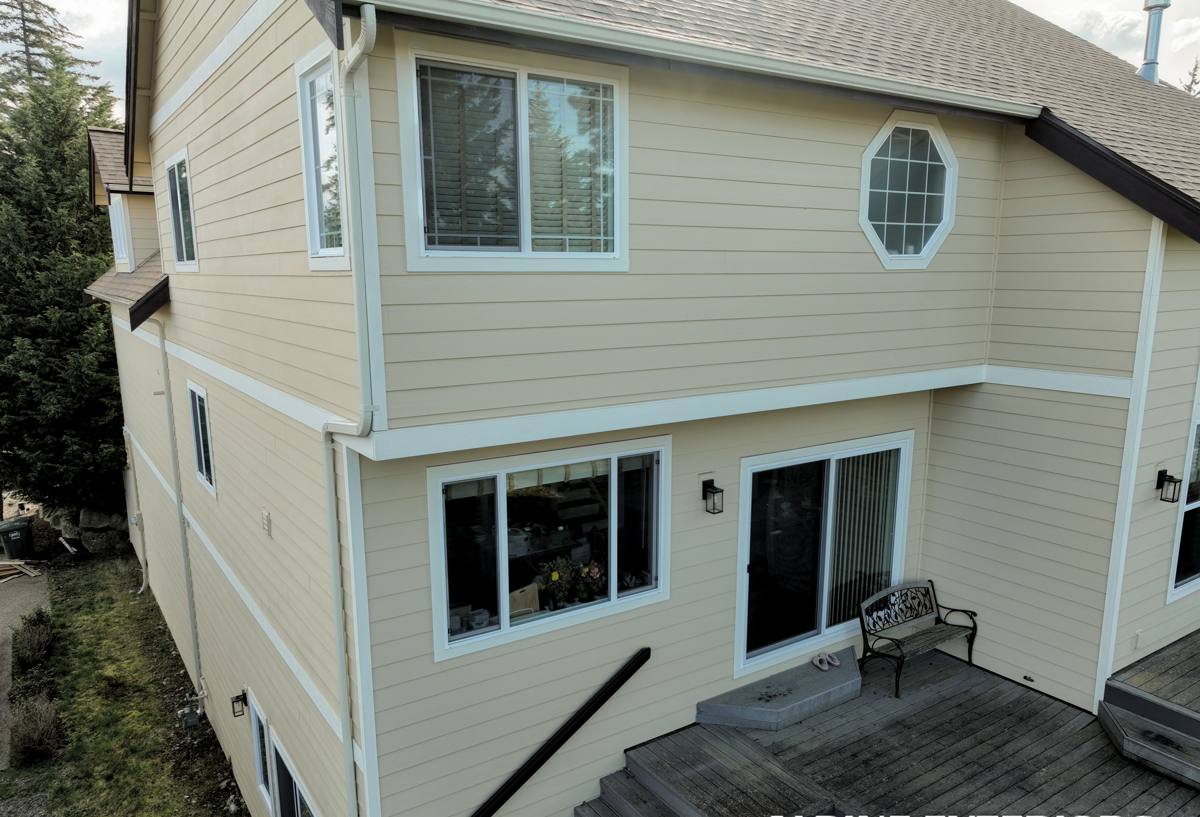
What Local Conditions Do to an Improperly Built Deck
Every region has trade-offs, but a few things stand out for outdoor structures around Birch Bay and the broader Lynden area:
- Salt air accelerates corrosion. Standard fasteners and hardware not rated for coastal exposure can start rusting and weakening well before the wood around them fails.
- Prolonged rain finds every gap. Ledger connections, joist hangers, and any spot where water can sit instead of shed will rot from the inside before it's visible from the top.
- Moss season adds a safety problem, not just a cosmetic one. Moss and algae hold moisture against the deck surface and create a slip hazard on stairs and walking surfaces during exactly the months people are least prepared for a fall.
- Freeze-thaw cycles, even mild ones, stress footings and fasteners over time if the substructure wasn't built with movement in mind.
None of this means a deck can't last decades in Lynden. It means the materials, fastener choices, and drainage details have to be selected for this climate specifically, not pulled from a generic build spec.
Decking Material Options for This Climate
There isn't one "correct" decking material for every homeowner — budget, maintenance tolerance, and how the deck will be used all factor in. Here's how the common options actually perform under Whatcom County conditions.
| Material | How It Handles Salt Air & Rain | Moss/Algae Behavior | Maintenance |
|---|---|---|---|
| Pressure-treated wood | Good if properly sealed and re-sealed; treatment resists rot but not surface staining | Needs regular cleaning or moss returns quickly | Annual cleaning, periodic sealing |
| Cedar | Naturally rot- and insect-resistant; still needs finish maintenance in wet climates | Can develop moss/mildew without upkeep | Sealing every 1-2 years for best appearance |
| Composite decking | Excellent — doesn't absorb moisture like wood, resists salt corrosion | Still needs occasional washing; capped composites resist staining well | Low — periodic washing, no sealing |
| PVC decking | Very good moisture resistance | Low moss retention, easy to clean | Low |
We'll talk through this honestly during an estimate. Composite and PVC cost more up front but ask less of the homeowner over the deck's life, which matters in a climate where "low maintenance" claims get tested every winter. Wood decking isn't a bad choice — it's a different maintenance commitment, and we'll be straight with you about what that commitment actually looks like year to year.
What a Correct Substructure Looks Like
The decking surface is what people see, but the substructure is what determines whether the deck is still safe in ten or twenty years. For Lynden-area builds, we pay particular attention to:
Footings and Framing
Footings need to be sized and set to local frost depth and soil conditions, not guessed at. Framing lumber should be rated for ground contact or exterior exposure where applicable, and every cut end gets treated — untreated cut ends are one of the most common points where rot starts on an otherwise well-built deck.
Ledger Board Attachment
Where a deck attaches to the house, the ledger connection is the single most critical waterproofing detail on the entire structure. Done wrong, water works behind the ledger and rots both the deck framing and the house's rim joist — a repair that's far more expensive than the deck itself. We flash this connection properly and use fasteners rated for the exposure, not just whatever's on the shelf.
Fasteners and Hardware
In a coastal-influenced climate, hardware rated for standard exterior use isn't always enough. We use fasteners and structural connectors rated for corrosive or coastal exposure on the joints that matter most — joist hangers, structural screws, and any hardware that's difficult to inspect or replace later.
Drainage and Airflow
Decks need to shed water, not trap it. That means proper spacing between boards, grading and drainage beneath the deck so water doesn't pool against footings, and enough airflow underneath to let the structure dry out between rain events instead of staying damp for weeks at a time.
Railings, Stairs, and Safety Details
Railings and stairs see the most direct weather exposure and the most foot traffic, which makes them the parts most likely to show wear first. A few things we build in as standard practice:
- Stair treads and landing surfaces selected or treated to reduce slip risk during wet and mossy months.
- Railing hardware matched to the same corrosion-resistance standard as the rest of the structural fasteners.
- Post connections built to current structural requirements — railings take real lateral load, and this is not a place to cut corners.
- Attention to any low spots on stairs or landings where standing water or moss buildup would otherwise become the first safety complaint of the year.
Our Deck Building Process
We keep this straightforward because homeowners deserve to know what's happening and when.
- On-site assessment. We look at the house connection point, grading, sun and rain exposure, and how you plan to use the space, then talk through material options honestly, including cost and maintenance trade-offs.
- Design and proposal. You get a clear scope of work and a written proposal — no vague line items, no surprise "we'll figure it out" gaps.
- Permitting. Most deck projects in Whatcom County require a permit depending on size and height. We handle this so you're not chasing paperwork.
- Build. Footings and framing first, with every structural connection inspected before decking goes down. Ledger flashing, fastener selection, and drainage details are handled at this stage, not patched in later.
- Decking, railings, and finish work. Surface material installed to manufacturer spec (critical for composite/PVC warranty coverage), railings set, stairs finished.
- Final walkthrough. We go over the completed deck with you, including basic maintenance guidance specific to the material you chose and this climate.
Maintenance That Actually Fits a Whatcom County Deck
Whatever material you choose, a little seasonal attention goes a long way here:
- Clear leaves and debris from between boards regularly — trapped organic matter is what moss and mildew feed on.
- Wash the deck surface at least once before moss season sets in, and again if you notice buildup starting.
- Check railing and stair connections annually for any looseness — hardware in a salt-influenced climate should be inspected more often than the standard "check it every few years" advice.
- Reseal wood decking on the schedule appropriate to the finish product used; don't wait until the wood already looks gray and worn.
- Keep an eye on the area beneath the deck for standing water or blocked drainage, especially after heavy rain stretches.
Why Hiring a Crew That Already Works in Lynden Matters
A deck built from a generic national spec sheet is built for average conditions somewhere else. A deck built by a crew that works Whatcom County year-round is built for the rain totals, the moss cycle, and the salt exposure you're actually going to experience. We know which fastener grades hold up here, which ledger details fail first in this weather, and which materials are worth the extra up-front cost versus which ones are fine for a given budget and use case. That local experience shows up less in what the deck looks like on day one and more in how it looks and performs five, ten, and twenty years in — which is the timeline that actually matters for a structural investment like this.
If you're planning a new deck in Lynden or the surrounding Birch Bay area, or replacing one that's showing its age, we're happy to take a look and give you a straight, no-pressure estimate. There's a form below — reach out and we'll get a time on the calendar to walk the site with you.