 Birch Bay Siding
 Storm Damage Roof Repair for California Creek Homes
California Creek sits close enough to the water that every roof in the area deals with the same combination: salt-laden air, wind-driven rain coming off the Strait, and long stretches of wet, mossy weather between dry spells. When a storm rolls through Whatcom County, the damage it leaves behind on a California Creek roof often isn't dramatic. It's a lifted shingle tab, a bent piece of flashing, a valley that started letting water through during the last hard blow. Left alone, that's exactly the kind of damage that turns into a ceiling stain by the next rainy season.
This page covers what storm damage repair actually means for homes in this specific area, what a correct repair looks like, and how we handle the job from first inspection to final walkthrough.
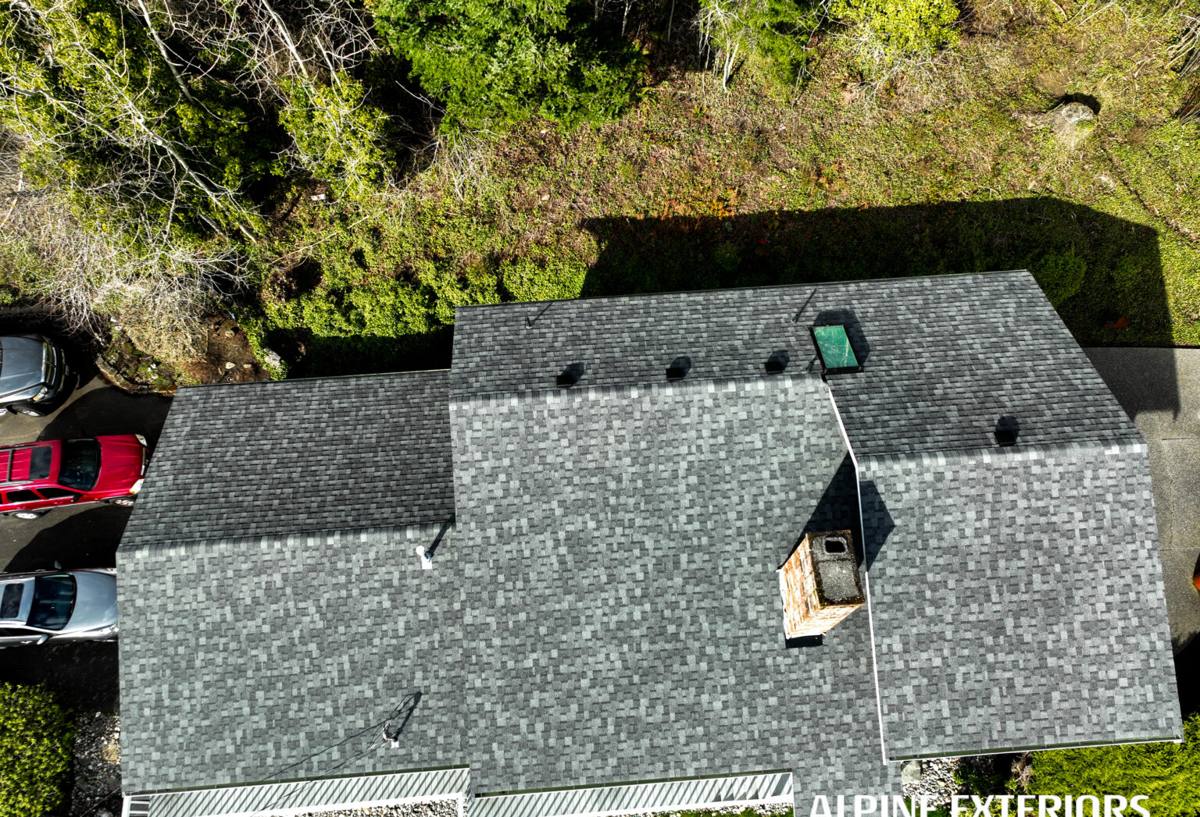
Why Storms Hit Roofs Harder Here
Birch Bay and the California Creek area get weather that's tougher on roofing than most people realize. It's not usually one big event that causes the damage — it's cumulative. A few things stack up over time:
- Salt air corrodes exposed fasteners, flashing edges, and metal drip edge faster than it would further inland
- Wind-driven rain gets pushed sideways under shingle tabs and around flashing that's even slightly loose
- A long moss season keeps roof surfaces damp for extended stretches, which softens shingles and accelerates granule loss
- Wind gusts off open water can lift or crease shingles without tearing them off completely, so the damage isn't obvious from the ground
The result is that storm damage in this area tends to be quieter than in places that get hail or tornadoes. It shows up as a slow leak, a soft spot in the decking, or shingles that look fine from the driveway but have lost their seal.
What Actually Counts as Storm Damage
Wind Damage
Shingles don't need to blow off to be storm-damaged. Wind can break the adhesive seal between tabs without dislodging them, which means the shingle looks intact but no longer sheds water the way it should. This is the most common type of damage we find after a windstorm in California Creek — it's also the easiest to miss during a homeowner's own inspection from the yard.
Wind-Driven Rain Intrusion
Rain that comes in nearly horizontal during a coastal storm can work its way under flashing at chimneys, skylights, and wall-to-roof transitions even when the roofing material itself is fine. This is a flashing and sealant problem more than a shingle problem, and it's often the actual source of a leak that gets blamed on "old roofing."
Debris and Impact Damage
Tree limbs and wind-carried debris can crack shingles, dent metal roofing, or knock granules loose in a concentrated spot. Impact damage tends to be localized, which is good news — it's usually a targeted repair, not a full section replacement.
Moss-Related Deterioration
Moss itself isn't storm damage, but a moss-covered roof going into a windstorm is far more vulnerable. Moss holds moisture against the shingle surface, lifts shingle edges as it grows, and gives wind something to grab onto. A lot of what looks like sudden storm damage is really moss damage that a storm finally exposed.
What a Correct Repair Actually Involves
A Real Inspection, Not a Drive-By Estimate
A proper storm damage assessment means getting on the roof — checking every slope, not just the side facing the street — and checking the attic from inside where accessible. Wind and wet-weather damage is frequently on the back slope or in valleys that face the prevailing weather off the water, which is exactly where it's hardest to see from the ground.
Matching Materials Correctly
Shingle color and profile change over the years, and a repair that uses a visibly different shingle batch looks patched forever. We look for the closest available match and, when an exact match isn't realistic, we talk through options honestly rather than promising a seamless blend that won't happen.
Flashing and Underlayment First
Replacing shingles without addressing the flashing or underlayment underneath them is the single most common shortcut in storm repair work — and it's why the same leak often comes back within a year or two. Any repair we do treats flashing, valleys, and underlayment as part of the job, not an upsell.
Fastener and Edge Detail
Given the salt air here, we pay particular attention to fastener corrosion and drip edge condition during any storm repair. A repair that reuses corroded fasteners or a compromised drip edge is a repair that fails again in the next storm season.
Our Process
- Inspection and honest assessment — we identify what's actually storm-related versus pre-existing wear, and tell you the difference
- Temporary protection if needed — if there's active leaking or exposed decking, we get it covered and dry before anything else
- Written scope and estimate — a clear description of what's being repaired and why, before any work starts
- The repair itself — shingles, flashing, underlayment, and fasteners addressed together, not in isolation
- Cleanup and walkthrough — debris cleared, gutters checked for granule buildup, and a final look together before we call it done
Repair or Replace: How We Help You Decide
Not every storm-damaged roof needs a repair, and not every roof needs replacing just because it took some damage. The right call depends on the roof's age, how widespread the damage is, and what condition the rest of the roofing is in.
| Factor | Leans Toward Repair | Leans Toward Replacement |
|---|---|---|
| Roof age | Under 12-15 years, shingles still flexible | Approaching or past manufacturer's expected service life |
| Extent of damage | Isolated to one slope or a few spots | Damage spread across multiple slopes |
| Granule loss | Minimal, localized to the storm-affected area | Widespread bald spots across the field of the roof |
| Underlying moss/moisture history | Roof was otherwise well-maintained | Long history of moss cover and soft decking |
| Flashing condition | Flashing sound aside from the storm event | Flashing corroded or failing in multiple areas |
We'll tell you straight if a repair is the honest answer, even when a replacement would be the bigger job for us. A patch that's done right can buy a roof several more good years.
Materials and Product Choices
For storm repairs in a coastal, moss-prone area like California Creek, we lean toward materials that hold up to repeated wet-dry cycling and resist granule loss — algae-resistant shingles where a roof doesn't already have them, and corrosion-resistant flashing and fasteners given the salt air. We won't install a patch with mismatched or lower-grade materials just to save a trip back for the right stock, since that's the kind of shortcut that shows up as a callback within a season or two.
Where a roof has metal flashing that's already showing corrosion beyond the storm-damaged area, we'll flag it as a separate line item rather than bury it inside the storm repair scope — that keeps the estimate honest about what's storm-related and what's ongoing maintenance.
Insurance Documentation
Many storm repairs in this area end up going through homeowners insurance, especially after a named windstorm. We document what we find with photos and a written description before any repair work covers it up, which gives you something solid to hand to an adjuster. We're not a public adjuster and won't promise a claim outcome, but we can make sure the physical evidence of the damage is recorded properly before it's gone.
Preventing the Next One
A lot of storm damage in California Creek is preventable with basic upkeep between storm seasons. A short annual checklist goes a long way:
- Clear moss buildup before it takes hold, rather than after it's already lifting shingles
- Check and clean gutters and valleys so wind-driven rain has somewhere to go
- Have flashing around chimneys, skylights, and roof-wall transitions checked for corrosion or lifting
- Look for loose or lifted shingle tabs after any windstorm, even if there's no visible leak yet
- Trim back tree limbs that overhang the roof before they become storm debris
Why Local Experience Matters Here
A roofer who mostly works inland doesn't see the same failure patterns we see routinely in Birch Bay and California Creek — the specific way salt air eats at fasteners, the exact spots where wind-driven rain from off the water tends to find a way in, and how long moss actually takes to become a structural problem in this climate. That local pattern recognition is the difference between a repair that treats the visible symptom and one that fixes what's actually going to fail next.
If you've got storm damage — or you're not sure whether what you're looking at is storm damage or ordinary wear — we're happy to come take an honest look. Reach out for a free, no-pressure estimate using the form below.