 Birch Bay Siding
 Roofing on Lummi Island Is Its Own Job
A new roof on Lummi Island isn't just a smaller version of a mainland Whatcom County job. The island sits out in the water with almost nothing to break the wind, which means every roof up here deals with a combination most inland homes never see: salty marine air working on metal and fasteners, wind-driven rain that gets pushed sideways under poorly flashed edges, and heavy tree cover in places that keeps roofs damp and shaded long after a storm passes. Add in the fact that every pallet of shingles, roll of underlayment, and box of fasteners has to make it across on the ferry, and you've got a job that rewards a crew that has actually done this before, not one that's improvising on-site.
This page is about one thing specifically: full new roof installation for Lummi Island homes, and what it takes to get it right given the conditions.
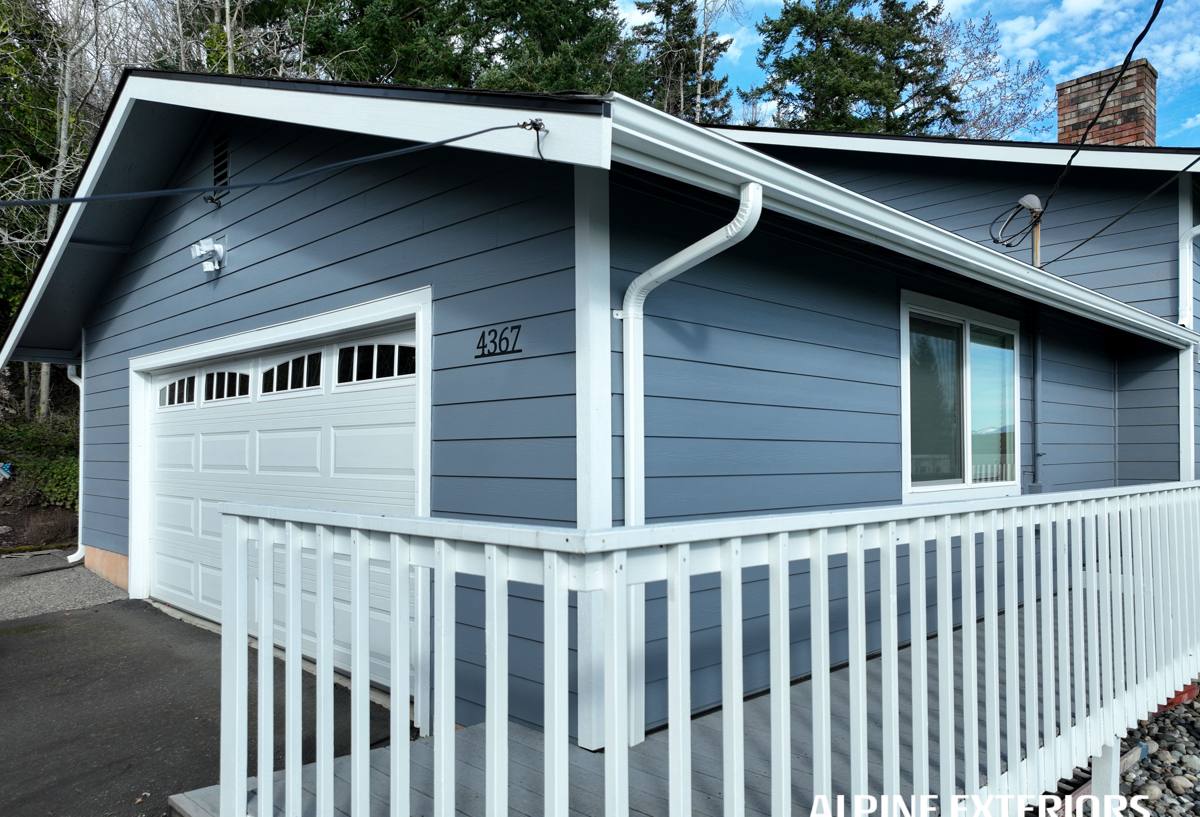
What the Climate Actually Does to a Lummi Island Roof
Salt Air and Corrosion
Being surrounded by Puget Sound means airborne salt settles on everything, including roofing metal, nail heads, flashing, and vents. Standard electro-galvanized fasteners and low-grade flashing can start showing rust streaks and pitting years before they would on a comparable inland roof. This doesn't mean the roof fails overnight, but it does mean corrosion-resistant materials aren't optional upgrades here — they're the baseline for a roof that's supposed to last.
Driving Rain and Wind
Storms coming off the water rarely fall straight down. Wind pushes rain sideways and up under shingle tabs, around chimney flashing, and into any gap in a ridge or valley that was cut a little short. A roof that would hold up fine in a calm inland rain can leak on Lummi Island if the flashing and underlayment details weren't built for wind-driven water in the first place.
Moss and Shade
Between tree cover and the moisture that blows in off the Sound, Lummi Island has a long moss season — moss can establish and keep growing for much more of the year than it would in a drier, sunnier part of the county. Moss holds moisture against the roof surface, works its way under shingle edges, and lifts them over time. A roof that isn't set up to shed moss and dry out quickly will need more attention, sooner, than one that is.
Signs an Older Roof Needs Full Replacement, Not Another Patch
Not every roofing problem on the island calls for a full tear-off. But there's a point where patching stops making financial sense and a new roof becomes the honest recommendation. Signs worth taking seriously:
- Shingles that are curling, cracking, or losing granules across large sections, not just one spot
- Moss or algae mats thick enough that you can't see the shingle surface underneath in places
- Soft spots, sagging, or visible movement when walking the roof or viewing from a ladder
- Repeated leaks around the same valley, chimney, or vent even after past repairs
- Rusted or failing flashing and fasteners, especially on a roof more than 20-25 years old
- Daylight visible through the roof deck from inside the attic
- A roof that's simply reached or passed the manufacturer's expected service life for this climate
If a roof is showing two or three of these at once, patching individual spots usually just delays the same conversation a year or two while the deck underneath keeps absorbing moisture.
Choosing a Roofing System That Fits Island Conditions
There's no single "best" roof for every Lummi Island home — it depends on the home's exposure, roof pitch, budget, and how much upkeep the owner wants to do. Here's how the common options stack up against the specific conditions this island deals with:
| Material | Salt Air Resistance | Moss Resistance | Wind Performance | Typical Lifespan Here |
|---|---|---|---|---|
| Standard asphalt shingle | Fair — depends on flashing/fastener grade | Fair — benefits from algae-resistant granules | Good when properly nailed and sealed | 20-25 years |
| Algae-resistant (AR) shingle | Fair to good | Better — copper/zinc granules slow regrowth | Good | 25-30 years |
| Standing seam metal | Very good with coated/marine-grade fasteners | Very good — sheds moisture, little for moss to grip | Excellent | 40-50+ years |
| Cedar shake | Fair — needs regular maintenance in salt air | Poor without diligent upkeep and ventilation | Good | 20-30 years with upkeep |
For most Lummi Island homes we work on, the honest recommendation lands on either a good AR asphalt shingle system with corrosion-resistant flashing and fasteners, or standing seam metal on homes with heavier tree cover, steep exposure to weather, or owners who want to minimize moss maintenance long-term. We'll walk through the trade-offs for your specific roof rather than push one product across the board.
Why We're Selective About Cedar Shake Here
Cedar shake can look great on the right home, but it's a high-maintenance choice in this specific climate — the combination of shade, moisture, and salt air means it needs consistent cleaning and treatment to avoid moss and rot taking hold faster than it would inland. We'll still install it if that's what a homeowner wants and the roof is set up with the right ventilation and underlayment, but we tell people upfront what the maintenance commitment looks like rather than let it be a surprise two years in.
What a Correct Installation Actually Includes
A new roof is only as good as the parts nobody sees once it's done. For Lummi Island specifically, a handful of details matter more than they would on a sheltered inland lot:
Deck Inspection and Repair
Before anything new goes down, the deck gets checked for soft spots, rot, and moisture damage — common on older island roofs where moss has been holding water against the surface for years. Any bad decking gets replaced, not covered over.
Underlayment
We use a full synthetic or ice-and-water-shield underlayment system sized for the amount of wind-driven rain this area sees, with extra coverage at eaves, valleys, and low-slope sections where water is most likely to be pushed uphill under the shingle line.
Flashing and Fasteners
Corrosion-resistant flashing and stainless or hot-dip galvanized fasteners around chimneys, vents, skylights, and valleys — this is the single biggest difference between a roof that holds up to salt air and one that starts rusting and leaking at these transition points within a few years.
Ventilation
Proper intake and exhaust ventilation keeps the underside of the roof deck dry, which both extends shingle life and reduces the moisture buildup that feeds moss growth from below as well as above.
Moss-Resistant Finish Materials
Where it fits the home and budget, we use algae-resistant shingles or a roofing metal that naturally sheds moss, rather than relying on chemical treatments alone to fight it after the fact.
The Ferry Factor: Why Logistics Matter as Much as Craftsmanship
Every material for a Lummi Island roofing job has to be staged, loaded, and timed around ferry availability. That sounds like a minor detail until it's the reason a job runs three days late because a crew didn't plan deliveries correctly or misjudged a weather window on a roof that's already torn open. We build the ferry schedule and material staging into the project plan from the estimate stage, not as an afterthought once the tear-off has already started. A roof that's open to the weather on an island, waiting on a delayed load, is a bad position for any homeowner to be in.
Our Process, Start to Finish
- On-site assessment — we inspect the existing roof, deck condition, ventilation, and exposure to wind and moss before recommending anything
- Written estimate — clear scope, materials, and pricing, with the reasoning behind the material recommendation for your specific roof
- Material and logistics planning — deliveries scheduled around ferry availability and forecasted weather windows so the roof isn't left exposed longer than necessary
- Tear-off and deck inspection — old roofing removed, deck checked and repaired as needed before anything new goes down
- Installation — underlayment, flashing, ventilation, and finish material installed to hold up against wind-driven rain and salt exposure
- Final walkthrough and cleanup — site cleared of debris and nails, and the finished roof reviewed with the homeowner
Why Local Experience on This Island Matters
A crew that already works Lummi Island regularly isn't guessing at ferry timing, isn't discovering the moss and moisture patterns for the first time, and isn't quoting fastener and flashing grades that were fine for a dry inland roof but won't hold up out here. That familiarity shows up in fewer surprises during the job and fewer callbacks after it — which matters even more on an island, where a return trip for a warranty issue takes real planning instead of a quick drive across town.
After the Install: Keeping a New Roof Performing
A correctly installed roof still benefits from basic upkeep in this climate. Keep gutters and valleys clear of needles and debris that trap moisture, trim back overhanging branches where practical to reduce shade and moss pressure, and have the roof looked at after any major windstorm. None of this is heavy maintenance — it's the difference between a roof that reaches its full expected lifespan and one that starts showing problems early because moss and moisture were left unchecked.
If your Lummi Island roof is showing its age or you're planning ahead for a replacement, we're happy to take a look and walk you through what your specific roof needs — no pressure, no pushy sales pitch. Use the form below to request a free estimate.