 Birch Bay Siding
 Deck Repair Built for Semiahmoo's Marine Climate
Semiahmoo sits close enough to the water that every deck in the area is doing double duty: holding up a household and standing up to salt air, wind-driven rain, and a moss season that can run most of the year. We repair decks in and around Birch Bay and Semiahmoo regularly, and the pattern is consistent. The decks that fail early aren't necessarily the oldest ones — they're the ones where a small moisture problem was covered up instead of fixed, or where hardware and fasteners were never upgraded to handle a salt-air environment.
This page covers what deck repair actually means for a Semiahmoo property: what the local climate does to decking materials and structure, how to tell a repairable problem from one that calls for replacement, and what our process looks like when we come out to look at your deck.
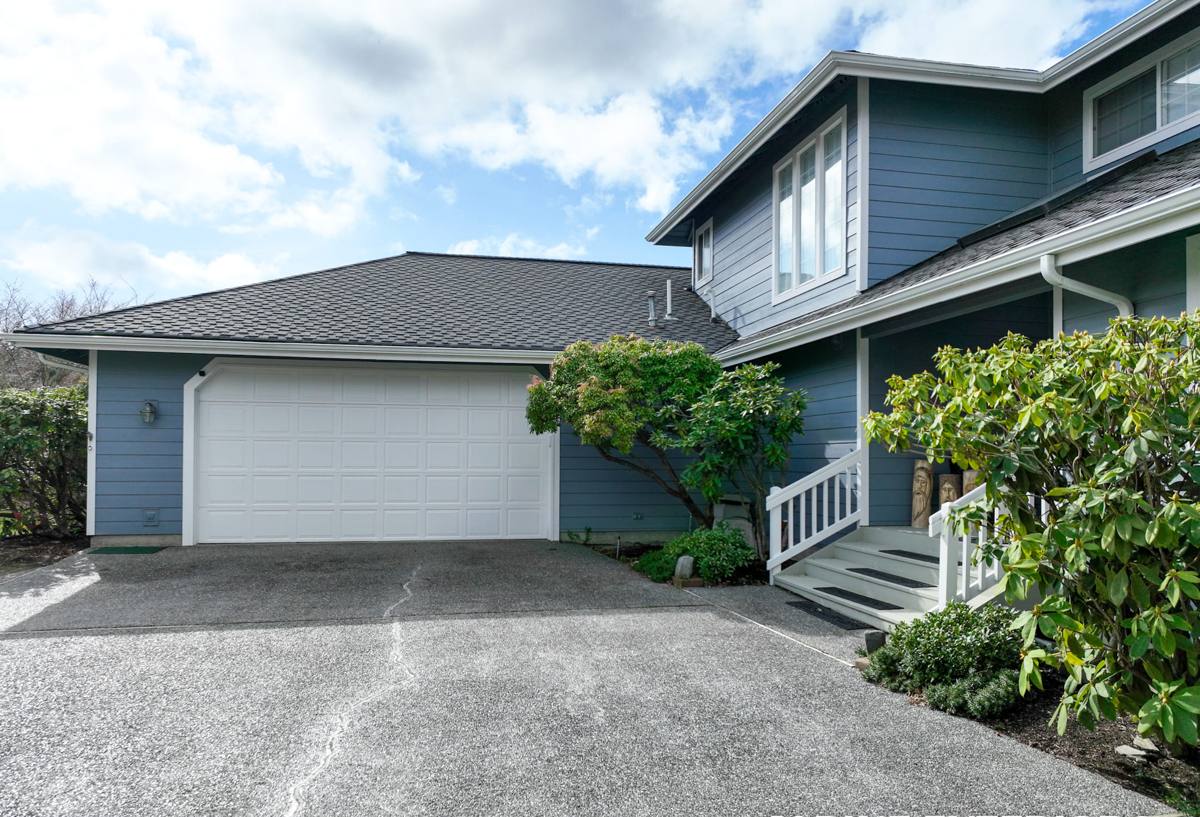
What Whatcom County's Coastal Climate Does to a Deck
Salt Air and Corrosion
Proximity to Semiahmoo Bay means airborne salt settles on everything, including fasteners, joist hangers, and railing hardware. Standard galvanized coatings degrade faster in a salt-air environment than they would further inland. Once a fastener starts corroding, it loses holding strength long before it looks obviously bad from the surface — which is why a deck can feel solid underfoot right up until it isn't.
Driving Rain and Moisture Intrusion
Whatcom County gets a lot of rain, and wind off the water pushes it sideways as much as it falls straight down. That matters for decks because horizontal, wind-driven rain finds its way into places a straight-down rain never would: under railings, behind ledger board flashing, into end-grain cuts on decking boards that weren't sealed. Once water gets past the surface, it doesn't dry out quickly in our climate — humidity stays high enough, for long enough stretches of the year, that trapped moisture can sit against wood for weeks.
Moss, Algae, and Surface Wear
Shaded decks, north-facing decks, and anything near mature trees or fencing collects moss for a good chunk of the year. Moss isn't just cosmetic — it holds moisture against the decking surface, and on wood it accelerates rot at the board level. On composite decking, moss buildup left too long can stain the surface in ways that are difficult to fully reverse. Regular cleaning helps, but a deck with poor drainage or inadequate airflow underneath will keep growing moss no matter how often it's cleaned.
Signs Your Deck Needs Repair — And What They Usually Mean
- Soft or spongy decking boards — usually localized rot from trapped moisture; often repairable by replacing the affected boards if the framing underneath is sound.
- Rust streaks around fasteners — a sign that hardware is corroding faster than the wood around it; worth checking before it becomes a structural issue.
- Wobbly or loose railings — often a post attachment problem rather than a railing problem itself; this is a safety item, not a cosmetic one.
- Gaps or separation at the ledger board — where the deck attaches to the house; this is one of the most safety-critical points on any deck and shouldn't be ignored.
- Persistent moss or dark staining in the same spots — usually points to a drainage or airflow problem underneath the deck, not just a cleaning issue.
- Nails backing out or popping up — common on older wood decks as boards cycle through wet and dry seasons; a sign fasteners should be upgraded, not just re-driven.
- Visible daylight through structural gaps — around beams, posts, or joists, which can mean movement or shrinkage that needs a structural look, not a surface fix.
What a Correct Deck Repair Actually Involves
Starting Below the Surface
A repair that only replaces what's visible from the top is a temporary fix. Before we touch decking boards, we check the structure underneath — joists, beams, posts, and especially the ledger board connection to the house. Surface rot is often a symptom of a structural moisture problem, and replacing boards without addressing the cause just buys a few more years before the same spot fails again.
Framing and Structural Repairs
Where joists or beams have soft spots or rot, we sister in new framing material rather than patching. Post bases get checked for rot at the point where wood meets concrete or ground contact, which is a common failure point in a wet climate. Ledger board flashing gets inspected closely, since a failed ledger connection is the single most dangerous structural issue a deck can have.
Fasteners and Hardware
Given the salt-air exposure here, we use fasteners and connectors rated for coastal or high-moisture environments rather than standard-grade hardware. This costs a bit more upfront but avoids the repeat-corrosion cycle that brings people back to the same repair every few years.
Decking Surface
Depending on the deck's age and what it's built from, surface repair might mean replacing individual boards, resurfacing with new decking over sound framing, or in some cases recommending a full decking replacement if enough of the board run is compromised. We'll tell you honestly which category your deck falls into rather than defaulting to the most expensive option.
Railings and Guards
Railings take direct weather exposure and also take the most physical load from people leaning on them. Loose posts, rot at the base of railing posts, and corroded connectors are all common finds during a repair visit, and they're treated as safety items first.
Repair vs. Replace: How We Help You Decide
| Factor | Leans Toward Repair | Leans Toward Replacement |
|---|---|---|
| Extent of rot/damage | Isolated to a few boards or one framing member | Widespread across multiple structural members |
| Age of deck | Under 10-15 years, built to a reasonable standard | Original construction is decades old or undersized for current code |
| Ledger connection | Sound, properly flashed | Failed flashing or improper original attachment |
| Decking material condition | Framing solid, surface boards worn or spot-damaged | Framing and surface both compromised |
| Budget goal | Extend usable life a number of years | Want a long-term, lower-maintenance solution |
We won't push a full replacement when a repair will genuinely hold up, and we won't recommend patching something that's a safety risk. We'd rather tell you the honest condition of your deck than sell you the bigger job.
Our Repair Process
- On-site assessment. We walk the deck, check underneath where accessible, and test framing, ledger attachment, and railing posts for movement or soft spots.
- Honest scope and estimate. You get a plain-English explanation of what's actually wrong, what needs to happen structurally, and a written estimate before any work starts.
- Structural repairs first. Framing, posts, and ledger issues are addressed before any cosmetic work happens on top.
- Hardware upgrades where needed. Corroded or undersized fasteners get replaced with coastal-rated hardware appropriate for this environment.
- Surface repair or resurfacing. Damaged boards are replaced to match as closely as possible, or the deck is resurfaced if that's the better long-term call.
- Final walkthrough. We check railings, fasteners, and surface work with you before calling the job done.
Materials: What Holds Up Best in a Semiahmoo Repair
| Material | Maintenance in This Climate | Repair Considerations |
|---|---|---|
| Pressure-treated wood | Needs periodic sealing/staining to shed moisture | Easy to source-match for spot repairs; rot risk if sealing is skipped |
| Cedar | Naturally rot-resistant but still needs sealing near the water | Good appearance match for older cedar decks; costs more than treated wood |
| Composite decking | Low maintenance, resists moisture absorption | Board matching across production runs can be imperfect; framing underneath still needs wood-appropriate protection |
There's no universal "best" material for every repair — it depends on what's already there, what the framing can support, and how much ongoing maintenance you want to take on. We'll walk through the honest trade-offs for your specific deck rather than steering you toward whatever's easiest for us to install.
Why a Crew That Already Works Semiahmoo Matters
Deck problems here aren't generic — they're shaped by this specific stretch of coastline. A crew that works Birch Bay and Semiahmoo regularly already knows which framing details tend to fail first in this air, which fastener grades actually hold up, and which drainage patterns cause repeat moss problems on shaded, water-facing decks. That's the difference between a repair that's cosmetic and one that actually solves the underlying problem. We're not driving in from out of the area to give a one-time quote — we're a local crew that expects to be back in this neighborhood for the next job, too, which is exactly why we'd rather tell you the truth about your deck than the easiest thing to hear.
Get a Straight Answer About Your Deck
If your deck in Semiahmoo or Birch Bay has soft spots, loose railings, persistent moss, or just feels less solid than it used to, it's worth a look before those small issues turn into a structural repair. We offer free, no-pressure estimates — use the form below to get a time set up, and we'll give you an honest read on what your deck actually needs.