 Birch Bay Siding
 Deck Building for Cottonwood Beach: Built for the Air You Actually Live In
Cottonwood Beach sits close enough to the water that every deck built here is fighting a slower, quieter battle than decks inland. It's not one big storm that wrecks a deck on this stretch of Whatcom County coastline — it's years of salt-laden air working into hardware, driving rain finding its way behind ledger boards, and a moss season that runs longer than most homeowners expect. A deck built with inland assumptions will show it within a few years: rust bleeding from screw heads, soft spots where the ledger meets the house, and a green film on the boards that never fully goes away. A deck built for this specific location holds up because the choices were made for this specific location.
This page is about deck building for Cottonwood Beach specifically — what the coastal exposure does to a deck over time, what a correctly built deck involves out here, how we approach the work, and why it matters to hire a crew that already knows this stretch of Birch Bay rather than one working from a generic checklist.
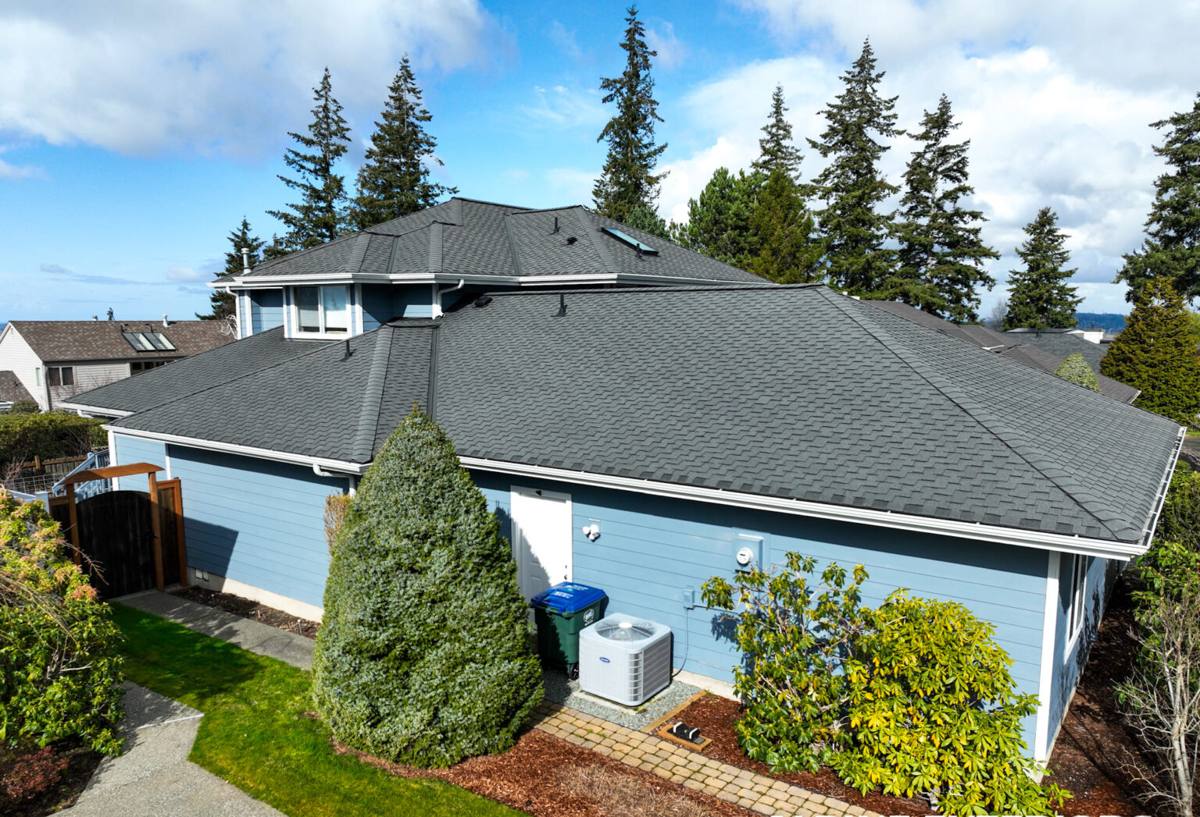
What Coastal Exposure Actually Does to a Deck
Most deck problems near the water aren't dramatic. They're slow, and by the time they're visible, the damage is usually already past the point of an easy fix.
Salt Air and Fasteners
Salt in the air accelerates corrosion on anything metal — screws, joist hangers, structural bolts, railing brackets. Standard electro-galvanized hardware that would last decades further inland can start showing rust streaks and pitting in a fraction of that time this close to the water. Once a fastener corrodes, it loses holding strength long before it looks obviously bad, which is part of why hardware selection matters more here than almost anywhere else in the build.
Moss and Algae on Deck Surfaces
Birch Bay's long wet season, combined with the shade many Cottonwood Beach lots get from surrounding trees, gives moss and algae a real head start on deck surfaces. Beyond looking bad, a mossy deck board is a slippery deck board, and moss holds moisture against the wood surface far longer than open air would. Board spacing, surface texture, and drainage underneath the deck all affect how fast moss takes hold and how hard it is to keep off.
Driving Rain and the Ledger Board
The ledger board — where the deck attaches to the house — is the single most common failure point on decks in wet coastal climates, and it's almost always a flashing problem, not a lumber problem. Wind-driven rain gets pushed sideways and upward in ways vertical rain doesn't behave, and it will find any gap in flashing that wasn't detailed for that kind of exposure. A rotted ledger board is a structural problem, not a cosmetic one, and it's one of the most preventable failures in deck building when it's flashed correctly the first time.
Choosing Decking Material for This Climate
There's no single "right" decking material for Cottonwood Beach — it depends on how much upkeep a homeowner wants to do and what they're willing to spend upfront versus over time. Here's how the common options actually compare in this specific climate.
| Material | How It Handles Salt Air & Moisture | Moss/Algae Resistance | Maintenance |
|---|---|---|---|
| Pressure-treated fir/pine | Holds up structurally if properly sealed; needs consistent re-sealing | Low — moss takes hold quickly without treatment | Annual cleaning and re-sealing |
| Cedar | Naturally moisture- and rot-resistant, ages gracefully | Moderate — better than fir, still needs cleaning | Periodic cleaning, optional staining |
| Composite decking | Excellent — doesn't absorb moisture or rot | Moderate to high, varies by brand and surface texture | Occasional washing, no sealing/staining |
| PVC/capped composite | Best moisture performance of any decking material | High — smooth capped surface sheds moss more easily | Lowest — soap and water as needed |
We'll talk through this honestly during an estimate rather than pushing whatever has the best margin. Composite and PVC cost more upfront but remove most of the maintenance burden, which matters a lot in a climate that punishes decks that get neglected for even a season or two. Cedar and treated lumber can absolutely work here — they just require a homeowner who's going to stay on top of sealing and cleaning on a real schedule, not "when I get around to it."
Framing and Foundation Details That Matter Here
Footings
Soil conditions vary lot to lot near Birch Bay, and some Cottonwood Beach properties sit on sandier, more moisture-retentive ground than you'd find further inland. Footings need to be sized and set to local frost depth and soil conditions, not just poured to a generic minimum. Undersized or shallow footings are one of the more common shortcuts we see on older decks in this area, and they show up later as a deck that's started to shift or settle unevenly.
Joist Protection and Flashing
Every cut end and top edge of a joist is a place water can get in and start rot from the inside out, where it's invisible until the deck is already failing. Joist tape over the top of each joist, correctly lapped flashing at the ledger, and proper flashing where the deck meets any vertical wall surface all matter more in a climate with this much sustained moisture than they would somewhere drier. These are inexpensive details during construction and expensive problems to fix later.
Fastener and Hardware Selection
Given what salt air does to standard hardware, we build with fasteners and structural connectors rated for coastal or high-corrosion environments — typically stainless steel or heavy-duty coated hardware rated for ground contact and marine-adjacent exposure. It costs more than standard hardware. It also isn't the thing you want to find out was skipped ten years in, when a railing post connection has quietly corroded.
Permits and Local Requirements
Deck construction in unincorporated Whatcom County, which covers Birch Bay and Cottonwood Beach, generally requires a building permit once a deck exceeds a certain size or height above grade, and railing height and guard spacing follow standard building code requirements once a deck reaches a certain elevation. Properties closer to the shoreline may also fall under additional shoreline management review, which can affect setbacks and footprint. We handle permit requirements as part of the estimate process so there are no surprises mid-project — but we'd always encourage a homeowner to ask directly rather than assume, since every lot near the water is a little different.
Our Deck Building Process
- On-site assessment — we look at the house connection point, grade, drainage, and sun/shade exposure specific to the lot, not just take measurements.
- Design and material walkthrough — honest conversation about decking material, layout, and railing options against your budget and maintenance appetite.
- Permit handling — we pull the necessary permits and make sure the design meets current code before anything is built.
- Demolition and site prep — removal of any existing structure, grading as needed for proper drainage under the new deck.
- Framing — footings, ledger flashing, joist layout, and joist protection built to hold up to sustained coastal moisture.
- Decking and railing installation — final surface and railing system installed to code and to the spec agreed on upfront.
- Final walkthrough — we go over the finished deck together, including what maintenance it will actually need.
Why a Crew That Works Cottonwood Beach Already Matters
A contractor who mostly builds decks further inland isn't wrong about deck building in general — they're just working from experience that doesn't fully account for what happens to a structure sitting in salt air with a long moss season. Knowing which fasteners actually hold up here, how much drainage matters under a deck on this kind of ground, and where flashing details tend to fail on this coastline isn't something you get from a manual. It's something you get from building and maintaining decks in this exact area and seeing, over years, what lasts and what doesn't. That local track record is the difference between a deck that needs attention in five years and one that's still solid in twenty.
Keeping a Coastal Deck in Good Shape
Even a well-built deck needs some ongoing attention in this climate. A simple seasonal routine goes a long way:
- Sweep debris off the deck regularly, especially leaves and needles that trap moisture against the surface
- Clean moss and algae off boards before it builds up a thick layer, using a deck-safe cleaner rather than a pressure washer on max setting
- Check railing posts and hardware once a year for early signs of rust or loosening
- Reseal wood decking on the schedule the product actually calls for, not just when it starts looking dry
- Confirm gaps between boards stay clear so water keeps draining through rather than pooling
- Look underneath the deck occasionally for standing water or poor drainage around the footings
None of this is complicated, but skipping it is exactly how a well-built deck in this climate starts to underperform ahead of schedule.
Get a Straightforward Estimate
If you're planning a new deck or replacing an aging one in Cottonwood Beach, we're happy to come take a look, talk through material options honestly, and put together a clear estimate — no pressure, no upsell script. Use the form below to get started.