 Birch Bay Siding
 Why Cherry Point Is a Different Job Than a Standard Window Swap
Cherry Point sits out on the water, exposed to wind coming off the Strait of Georgia with very little to break it up before it hits a house. That combination of salt-laden air, sustained wind-driven rain, and a long wet moss season means windows here take a harder beating than the same product would see ten miles inland in Whatcom County. Hardware corrodes faster. Sealant fails sooner if it wasn't installed right the first time. And any gap in flashing or weatherproofing gets tested by weather that doesn't let up for months at a time.
"Custom windows" doesn't mean fancy shapes or a showroom upgrade — for most Cherry Point homes it means windows sized, built, and installed to fit openings that were never standard sizes to begin with, and to survive conditions that stock big-box windows weren't designed for. That's the job we do, on this stretch of coastline, on a regular basis.
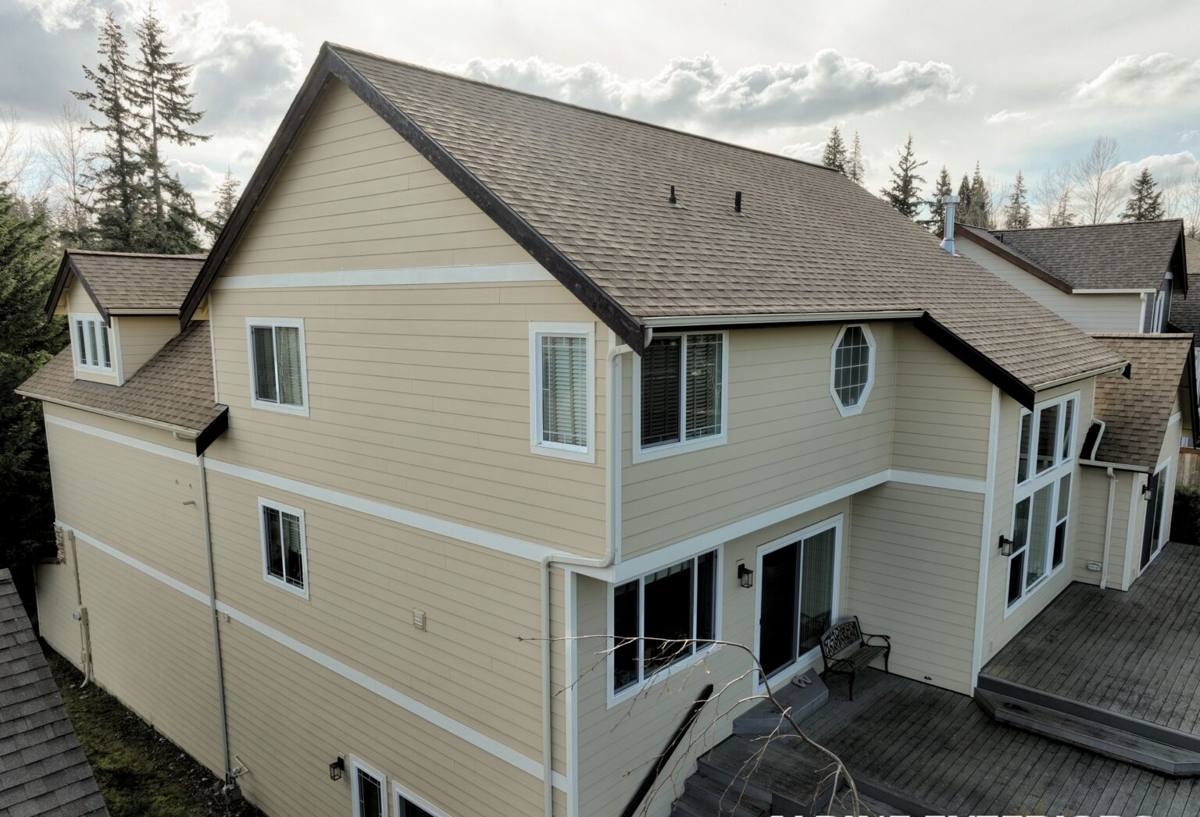
What "Custom" Actually Means for a Home Out Here
Non-Standard Openings
Older homes and additions in the Birch Bay area rarely have openings that match today's factory-standard sizes. Custom windows are built to the exact rough opening you already have, or to a slightly modified opening if we're correcting a past framing or flashing problem while we're in there. That avoids the shims, filler panels, and gap-caulking shortcuts that show up when someone tries to force a stock size into an opening it wasn't made for.
Matching the Exposure, Not Just the Look
Custom also means matching glass and frame specs to which side of the house the window is on. A window facing open water and prevailing wind needs a different weatherstripping and drainage detail than one tucked on a sheltered wall. We size that up per opening, not with one blanket spec for the whole house.
What Correct Cherry Point Windows Need
- Corrosion-resistant hardware — stainless or coated fasteners and hinges, not bare steel that rusts within a season or two of salt exposure
- A frame material that won't wick moisture into the wall assembly if a seal is ever compromised
- Properly lapped, weather-resistant barrier and flashing tied into the existing wall system — not just a bead of caulk around the trim
- Drainage paths (weep holes, sloped sills) that stay clear even after months of moss and algae buildup
- Glass packages rated for the wind exposure on that elevation of the house
- A finish or cladding that holds up to salt spray without chalking or pitting early
Material Choices That Actually Hold Up Here
There's no single "best" window material for every house — it depends on your budget, your home's style, and how exposed that particular wall is. Here's how the common options actually perform in a salt-air, high-moisture environment like Cherry Point, based on what we see holding up and what tends to give owners trouble.
| Material | Salt Air / Corrosion | Moisture & Moss Season | Maintenance |
|---|---|---|---|
| Vinyl | Good — won't rust or pit | Handles moisture well; check weep holes stay clear | Low — occasional rinse and hardware check |
| Fiberglass | Very good — dimensionally stable, resists pitting | Excellent; holds paint/finish well over time | Low to moderate |
| Aluminum-clad wood | Fair — exterior clad protects the wood, but any breach lets moisture into the core | Needs sound flashing and sealant to keep water out of the wood substrate | Moderate — interior wood finish upkeep, exterior seal checks |
| Bare aluminum | Poor in this environment — prone to pitting and corrosion near saltwater | Conducts moisture and cold; condensation risk | Higher — we generally steer owners away from this for waterfront exposure |
We're not tied to one brand or product line, and we'll tell you honestly if a window someone's set their heart on isn't a good match for a west- or north-facing wall on this point. That's a maintenance and warranty conversation, not a sales pitch — a window that fails its seal in year four because the material wasn't right for the exposure costs more than the upgrade would have.
Installation Details That Matter More Here Than Elsewhere
Flashing and Weatherproofing
Wind-driven rain doesn't fall straight down — it gets pushed sideways and up under trim and flashing that would be fine in a calmer location. We lap every flashing layer correctly (bottom to top, always shedding water downward and outward) and integrate it with the existing weather-resistant barrier rather than just caulking over the joint. Caulk is a backup layer, not the primary defense.
Sealant Selection and Cure Time
Not every sealant is rated for constant salt spray and UV exposure. We use products suited to marine-adjacent conditions and give them proper cure time before a window is exposed to a hard rain — rushing that step is one of the most common causes of early failures we get called out to fix on other people's installs.
Moss and Algae Considerations
Extended damp seasons mean moss and algae growth on sills, trim, and drainage paths. We slope sills to shed water instead of holding it, and make sure weep holes and drainage channels aren't going to get choked with debris within a year of install.
Our Process for a Cherry Point Custom Window Job
- On-site assessment — we look at each opening individually: which direction it faces, current condition of the framing and flashing, and any signs of past water intrusion or rot.
- Precise measurement — custom windows are built to your actual openings, not rounded to the nearest stock size.
- Material and glass selection — matched to that wall's exposure and your budget, explained plainly so you understand the trade-offs.
- Removal and inspection — when we pull the old window, we check the framing underneath for hidden moisture damage before anything new goes in.
- Installation — proper flashing integration, sealant, and hardware, done in the order that actually sheds water correctly.
- Walkthrough — we show you what was done and what to keep an eye on, especially anything specific to that window's exposure.
What Drives Cost on a Job Like This
| Factor | Why It Matters |
|---|---|
| Number and size of openings | More or larger windows means more material and labor |
| Frame material | Vinyl generally costs less upfront than fiberglass or clad-wood |
| Condition of existing framing | Hidden rot or past water damage found during removal adds repair work |
| Glass package | Higher wind-load or higher-performance glass costs more than standard |
| Access and site conditions | Second-story or hard-to-reach openings take more time |
| Trim and finish work | Matching existing exterior trim or interior casing adds scope |
We won't quote a job sight unseen, and we won't guess at a number that ignores what's actually behind your siding. A real estimate comes after we've looked at the openings in person.
Upkeep That Actually Extends the Life of Your Windows Here
- Rinse salt residue off frames and glass a few times a year, more often if the wall faces open water
- Clear weep holes and sill drainage paths before the wet season sets in each fall
- Check and lubricate hardware annually — hinges, locks, and rollers corrode faster in salt air
- Remove moss and algae from sills and trim before it holds moisture against the surface
- Inspect exterior caulk lines yearly and have any cracked or shrunk sealant redone before winter
- Watch for condensation between panes, which signals a failed seal on an insulated glass unit
Why Hiring a Crew That Already Works Cherry Point Matters
A contractor who mostly works drier, more sheltered parts of Whatcom County can still do competent work — but they may not default to the flashing details, hardware grade, or sealant products this specific exposure calls for unless they're told to. A crew that's already installed and later serviced windows on this stretch of coastline has seen firsthand which details hold up after a few winters of wind-driven rain and which ones don't. That's not a marketing point, it's just what repeat exposure to a specific climate teaches you.
It also means fewer surprises during the job. We're not learning your wall assembly, your local moisture patterns, or your typical wind exposure for the first time on your house.
Get a Straight Answer for Your House
If you're dealing with drafty, foggy, or hard-to-operate windows on your Cherry Point home, we're happy to take a look and give you an honest read on what's actually going on — whether that's a full replacement, a repair, or just better maintenance. Reach out for a free, no-pressure estimate using the form below.