 Birch Bay Siding
 Windows Built for Cottonwood Beach's Exposure
Cottonwood Beach sits close enough to the water that its homes take a different kind of weathering than houses a few miles inland in Whatcom County. Salt-laden air works into window hardware and finishes year-round, wind-driven rain off the bay tests every seal and flashing detail, and the long stretch of damp, low-sun months each fall and winter gives moss and mildew plenty of time to settle into anything that stays wet too long. Windows here don't fail because they're old — they fail because they were never detailed for this specific exposure in the first place.
A custom window project in this neighborhood isn't just picking a style out of a catalog. It's matching frame material, glass package, and installation detailing to a coastal Birch Bay lot, whether that lot backs up to the beach itself or sits a block or two off the water where salt drift is lighter but still present.
What "Custom" Actually Means Here
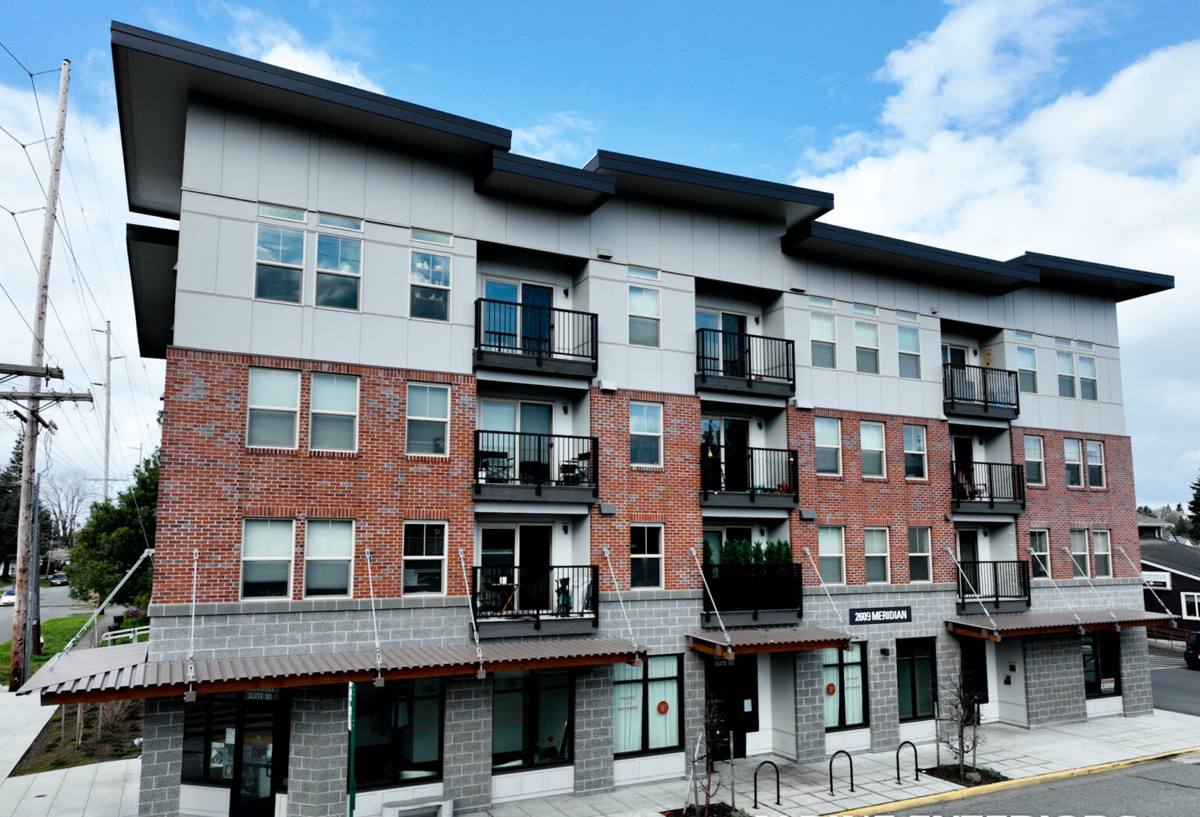
We use "custom" to mean windows sized, configured, and detailed for your specific opening and your specific exposure — not a stock size forced into a rough opening with extra caulk. In Cottonwood Beach that distinction matters more than most places, because a window that's slightly undersized or poorly flashed gives wind-driven rain an easy path behind the siding.
Common Custom Configurations We Build
- Oversized or non-standard openings on older Birch Bay homes where nothing off-the-shelf fits cleanly
- Picture windows or window walls oriented to capture bay views without sacrificing structural performance
- Casement and awning combinations for rooms where cross-ventilation matters during our mild summers
- Replacement of aging aluminum-frame windows original to many mid-century coastal cottages in the area
- Matched multi-window arrangements where sightlines and sash proportions need to align across a wall
Frame Materials: What Holds Up on the Bay
Frame choice is the single biggest factor in how a window performs against salt air over time. There's no perfect material — each one trades off cost, maintenance, and long-term behavior differently, and the right call depends on your home's orientation, budget, and how much upkeep you want to take on.
| Frame Material | Salt Air Behavior | Maintenance | Where It Fits Best |
|---|---|---|---|
| Vinyl | Doesn't corrode; UV-stable formulations hold color well | Low — occasional rinse | Most Cottonwood Beach homes, budget-conscious replacements |
| Fiberglass | Excellent — dimensionally stable, resists pitting | Low | Higher-exposure lots close to the water |
| Clad-wood | Good on exterior face; interior wood needs protection from condensation | Moderate | Homeowners wanting a wood interior look |
| Bare aluminum | Poor without marine-grade coatings — prone to pitting and corrosion near salt water | High | We generally steer clients away from this in direct salt exposure |
We won't push a frame material we don't think will hold up on your specific lot. If a homeowner wants aluminum for a particular look, we'll walk through the coating and maintenance commitment honestly rather than just install it and move on.
Glass and Seal Packages for Driving Rain
Wind-driven rain off the bay doesn't just test the glass — it tests the weatherstripping, the sash lock engagement, and the drainage path built into the frame. A window can have excellent glass and still leak if the sash doesn't compress evenly against the seal.
What We Look at Beyond Basic Insulated Glass
- Multi-point locking hardware that pulls the sash tight and even, not just at one corner
- Sloped sill design and functioning weep holes so any water that gets past the outer seal has somewhere to go
- Warm-edge spacer systems that resist seal failure from repeated temperature swings
- Corrosion-resistant hardware — standard steel fasteners and hinges don't last near salt air
Low-E glass is worth discussing for west and south exposures that pick up direct sun, but in this climate the seal and drainage details usually matter more to long-term performance than the glass coating itself.
Flashing and Installation: Where Most Failures Actually Start
In our experience, most window "failures" in coastal Whatcom County homes aren't product failures — they're installation failures. A quality window installed without proper flashing integration into the wall's water-resistive barrier will eventually leak, and once water gets behind siding in a damp climate like this, it doesn't dry out on its own between storms.
Our Installation Standard
- Remove the existing window and inspect the rough opening for hidden rot or prior water intrusion before anything new goes in
- Integrate new flashing tape and pan flashing with the existing weather-resistive barrier, lapped correctly so water sheds outward, not into the wall
- Set the window plumb, level, and square, shimmed to manufacturer spec rather than just caulked into place
- Insulate the gap around the frame properly — a gap packed only with caulk is a common source of drafts and condensation
- Seal and trim the exterior with materials rated for direct salt air and UV exposure
Skipping steps here is exactly what leads to soft trim, mold behind drywall, and premature frame failure a few years down the road — the kind of repair that costs far more than doing the install correctly the first time.
Fighting Moss and Mildew Around Window Openings
Birch Bay's long moss season affects more than roofs and siding. Window sills, exterior trim, and the top of frames facing shaded or north-facing walls collect moisture and organic growth if they don't drain and dry properly. Sloped sills, a slight standoff between trim and siding, and materials that don't hold moisture against the frame all reduce how much upkeep a window needs through our wet months.
We also pay attention to nearby vegetation and roof overhangs during the estimate — a window that sits in constant shade under overgrown landscaping will hold moisture longer regardless of how well it's built, and sometimes the simplest fix is trimming back what's blocking sun and airflow.
Our Process for Cottonwood Beach Projects
Every project starts with an in-person look at the specific openings, not a phone estimate. We check the rough opening condition, note any existing water damage, and talk through frame and glass options that fit both your budget and your home's actual exposure to wind and salt.
What to Expect
- On-site assessment of existing windows, framing condition, and drainage paths
- A written scope covering frame material, glass package, flashing approach, and trim finish
- A realistic timeline that accounts for custom sizing lead times, which run longer than stock windows
- Old windows and debris hauled off — no dumpster left on your property for weeks
- A final walkthrough where every window operates smoothly and seals are checked before we call the job done
Why Local Experience in Cottonwood Beach Matters
A crew that only occasionally works this close to the water tends to detail windows the same way they would for an inland Whatcom County home — and that gap shows up a few years later as leaks, corroded hardware, or moss creeping under trim. We work this neighborhood regularly enough to know which orientations take the hardest weather, which older homes have rough openings that need extra attention, and which materials are worth the added cost versus which ones are unnecessary here.
That familiarity also means fewer surprises during the project itself — we've already seen what's typically behind the siding on homes of this age in this area, so we can flag likely issues during the estimate rather than discovering them mid-install.
Cost Factors to Expect
Custom window pricing depends on more than the number of openings. The factors below tend to move the estimate the most for Cottonwood Beach projects specifically.
| Factor | Why It Matters Here |
|---|---|
| Frame material | Salt-resistant options (fiberglass, quality vinyl) cost more upfront but reduce long-term maintenance |
| Rough opening condition | Hidden rot from prior water intrusion adds repair scope once discovered |
| Non-standard sizing | Custom dimensions and lead times run higher than stock window sizes |
| Number of exposures | Water- and wind-facing walls often warrant a higher-spec package than sheltered sides |
| Trim and flashing scope | Full re-flashing and trim replacement costs more than a straightforward swap but pays off in longevity |
We give straight numbers during the on-site estimate rather than a phone quote — accurate pricing for this kind of work depends on actually seeing the openings.
If you're weighing window replacement for a Cottonwood Beach home, we're glad to take a look and give you an honest read on what your windows actually need. The estimate is free, there's no pressure to sign anything on the spot, and you'll walk away with a clear scope and price either way — just fill out the form below to get started.