 Birch Bay Siding
 Cottonwood Beach Roofs Work Harder Than Most
Cottonwood Beach sits right up against the water, and that changes what a roof has to deal with year-round. Salt-laden air off the Strait of Georgia settles into every exposed surface, driving rain off Birch Bay comes in sideways during winter storms, and the shaded, damp stretches of the neighborhood stay wet long after the rest of Whatcom County has dried out. A shingle roof here isn't fighting the same fight as one twenty miles inland. It's dealing with corrosion-prone fasteners, wind-driven water trying to find a way under the shingle tabs, and a moss season that can run from October clear through May on north-facing slopes and tree-shaded sections of roof.
None of that means asphalt shingles are the wrong choice for this stretch of coastline — they're not. It means the installation details that get skipped on an easier job inland can't get skipped here. We've built our process around what actually holds up in this specific environment, not a generic install.
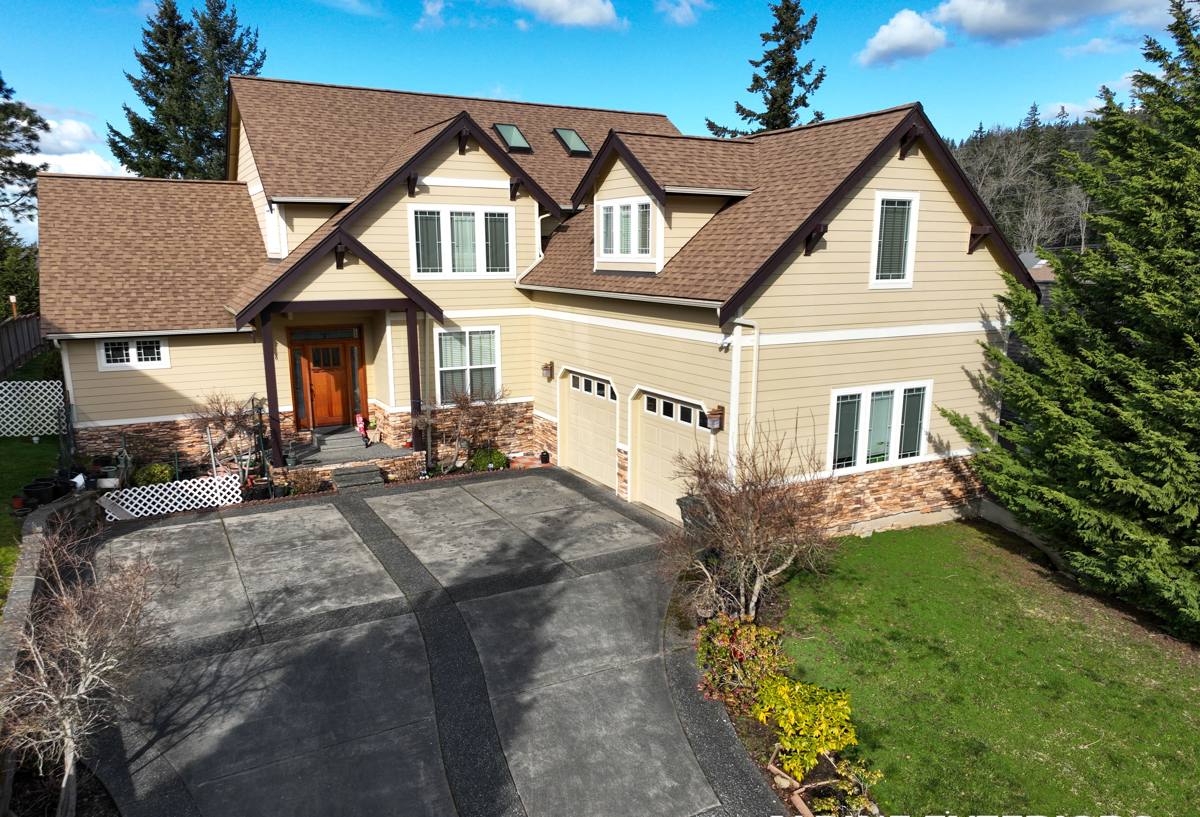
What a Correct Install Looks Like in a Marine Climate
Underlayment and Water Barrier
On a roof exposed to driving rain and wind, we don't treat underlayment as an afterthought. A synthetic underlayment with a real self-sealing ice-and-water membrane at eaves, valleys, and around every penetration gives the roof a second line of defense when wind pushes rain up under the shingle tabs — which happens more often here than most homeowners realize.
Fasteners and Flashing
Salt air is hard on exposed metal. We use corrosion-resistant fasteners and flashing rated for coastal exposure, not the cheapest option that happens to pass code inland. Step flashing at walls and chimneys, and properly lapped valley flashing, matter more here because a marginal flashing detail that might survive twenty years in a dry climate can fail in half that time near the water.
Nailing Pattern and Wind Rating
Shingles are only as wind-resistant as their installation. Correct nail placement, count, and a starter strip at eaves and rakes are what actually give a shingle roof its wind rating — not just the product label. We follow manufacturer specs to the letter here because Birch Bay gets real wind events off the water, and an under-nailed roof is the one that loses shingles first.
Choosing Shingles for a Coastal, Shaded Property
Not every asphalt shingle line handles this environment the same way. The two things that matter most for a Cottonwood Beach roof are algae resistance and how the shingle sheds water under wind-driven rain, not just straight-down rain.
| Shingle Type | Algae/Moss Resistance | Wind Rating (typical) | Best Fit For |
|---|---|---|---|
| Standard 3-tab | Low unless treated | 60-70 mph | Budget projects, less shaded lots |
| Algae-resistant architectural | Good — copper/zinc granules built in | 110-130 mph | Most Cottonwood Beach homes, especially tree-shaded roofs |
| Premium/designer laminate | Good to very good | 110-150 mph | Higher-exposure or higher-visibility roofs |
For most homes in this neighborhood, we steer people toward algae-resistant architectural shingles. The copper- or zinc-infused granules genuinely slow moss and algae growth, which matters when a roof spends half the year damp and shaded. Standard 3-tab shingles cost less up front but tend to show black streaking and moss growth faster in this climate, which means more frequent cleaning and a shorter realistic service life.
Why We Don't Push the Cheapest Option
We'll install a basic shingle if that's what a budget calls for — it's an honest product. But we tell every Cottonwood Beach customer up front that a non-algae-resistant shingle in a shaded, coastal lot usually means visible staining within a few years and more moss maintenance over the life of the roof. That's a maintenance and appearance trade-off, not a defect, and it's worth knowing before you pick a product.
Our Process, Start to Finish
- On-site inspection. We walk the roof (or use a drone where pitch or access makes that safer), check the decking condition, ventilation, flashing points, and existing moss or algae damage.
- Honest scope and estimate. You get a written estimate that spells out shingle type, underlayment, flashing work, and any decking repair — no vague line items.
- Tear-off and decking check. We remove the old roofing down to the deck and inspect for soft spots or water damage before covering anything up.
- Underlayment, flashing, and shingle install. Done to the details above — ice-and-water membrane at vulnerable spots, correct flashing, correct nailing.
- Ventilation check. We confirm intake and exhaust venting is working correctly before we close the job out.
- Cleanup and walkthrough. Magnetic sweep for stray fasteners, debris hauled off, and a final walkthrough so you know exactly what was done.
Moss and Algae: The Long-Season Reality
Because of the tree cover and dampness in parts of Cottonwood Beach, moss and algae aren't a once-in-a-while issue — they're a seasonal reality. Moss holds moisture against the shingle surface and, over years, can lift tabs and shorten the roof's life if it's left unchecked. Algae staining is mostly cosmetic but is often the first visible sign that a roof is holding moisture longer than it should.
- Have moss physically brushed or treated off rather than pressure-washed — pressure washing strips granules and shortens shingle life
- Keep gutters and valleys clear so water isn't sitting against the shingle edge
- Trim back overhanging branches where possible to cut down on shade and debris buildup
- Use zinc or copper strips near the ridge as a preventive measure on shaded roofs
- Schedule a roof check every year or two, not just when a leak shows up
Ventilation and Moisture You Can't See From the Ground
A shingle roof's biggest enemy in this climate often isn't the outside weather — it's trapped moisture underneath. Poor attic ventilation lets warm, moist air condense against the underside of the decking, which can rot sheathing and shorten shingle life from below, completely out of sight. On every reroof, we check that intake venting at the eaves and exhaust venting at the ridge are balanced and unobstructed. It's a detail that's easy to skip and expensive to ignore.
Repair or Replace: How to Tell
Not every roof problem in Cottonwood Beach means a full reroof. Here's a general guide we use when we're out looking at a roof:
| Sign | Usually Means |
|---|---|
| A few cracked or lifted shingles, roof under 15 years old | Localized repair |
| Granule loss concentrated in one area, no leaks | Repair or partial replacement |
| Widespread curling, brittle shingles, roof over 20-25 years old | Full replacement likely more cost-effective |
| Soft decking, staining on interior ceilings | Replacement with decking repair |
| Heavy moss coverage across most of the roof | Depends on shingle condition underneath — needs inspection |
An honest inspection will tell you which category a roof falls into. We'll say plainly when a repair makes more sense than a full replacement — a smaller job now is often the right call.
Cost Factors for a Cottonwood Beach Reroof
We don't quote prices without seeing the roof, but the main things that move the number are consistent from job to job:
| Factor | Why It Matters |
|---|---|
| Roof size and number of stories | More square footage and steeper access mean more labor and material |
| Roof pitch and complexity | Multiple valleys, dormers, and steep pitches take more time and flashing work |
| Shingle grade chosen | 3-tab, architectural, and premium laminate carry different material costs |
| Decking condition | Rotten or soft decking found during tear-off adds repair cost |
| Tear-off layers | Removing multiple existing layers takes more labor than a single-layer tear-off |
Most asphalt shingle reroofs in this area land somewhere in the range of several thousand to the low five figures, depending heavily on those factors above. We'll give you real numbers once we've actually looked at your roof.
Why It Matters That We Already Work This Neighborhood
A crew that's already worked roofs on Cottonwood Beach knows what to expect before the ladder goes up — which slopes hold moss the longest, how the salt air treats bare metal flashing, and where wind off the water tends to hit hardest. That's not a sales pitch, it's just practical familiarity that saves time and avoids surprises during the job. We're a Birch Bay-based crew, and Whatcom County's coastal weather is the environment we build every roof for, not an exception we work around.
If you're dealing with an aging roof, visible moss, or just want an honest read on where your roof stands, we're happy to come take a look. The estimate is free, there's no pressure, and you'll get a straight answer either way — use the form below to get started.