 Birch Bay Siding
 Building New in Cherry Point Means Building for the Weather First
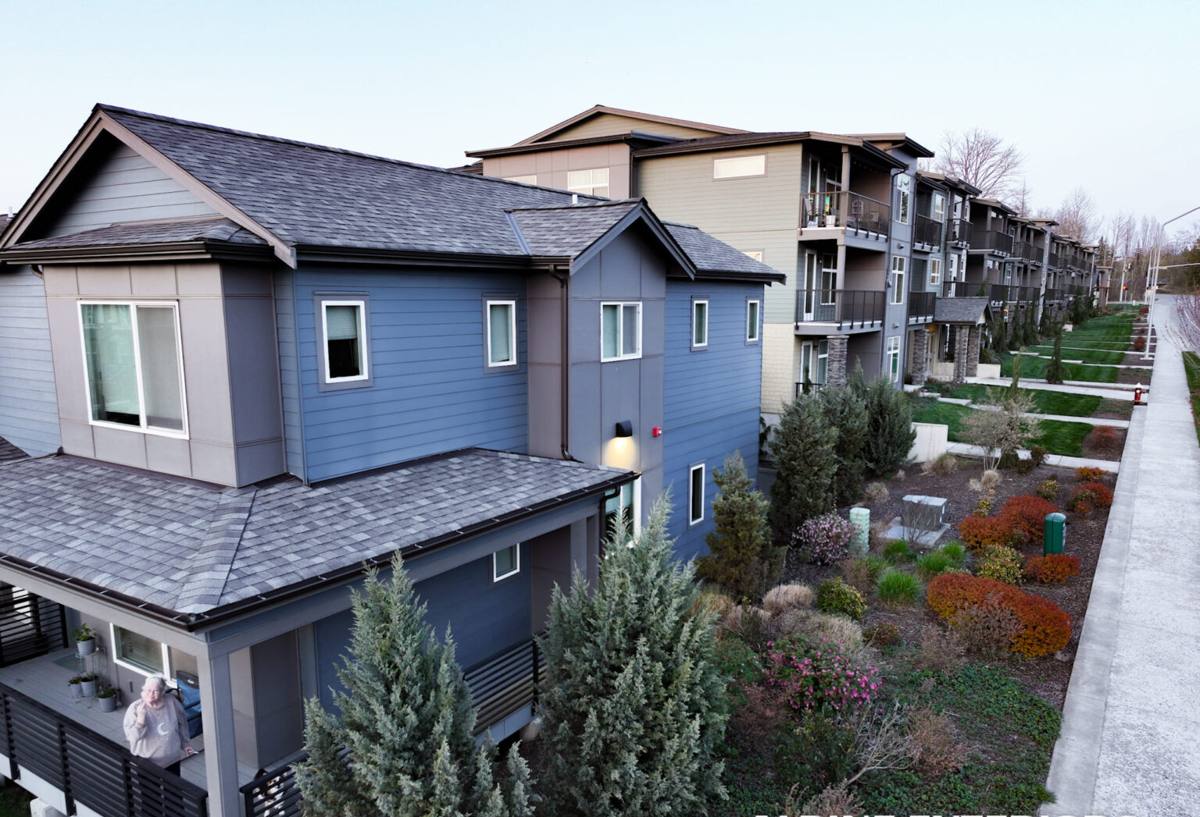
Cherry Point sits right up against the water north of Birch Bay, which means every new-construction project out here starts with the same conversation: this house is going to take more weather than one built a few miles inland. Salt-laden marine air, wind-driven rain off the Strait, and the long gray moss season that runs most of the fall through spring all put extra stress on the building envelope — and windows are one of the biggest gaps in that envelope if they're not installed correctly the first time. On a remodel, you're often working around what's already there. On new construction, you get to do it right from the studs out, and that's the advantage we focus on.
New-construction windows are a different product and a different install method than the replacement windows most homeowners are familiar with. They come with a nailing fin, they get integrated into the wall's water-resistive barrier during framing, and the flashing sequence around them is what actually determines whether that window stays dry for the next 20-plus years. Get that sequence wrong and you won't know it until there's a stain on the drywall two winters later.
What Cherry Point's Climate Actually Does to a Window Opening
Salt Air and Metal Components
Proximity to salt water accelerates corrosion on anything metal — fasteners, flashing, window hardware, even some low-grade aluminum trim. Homes closer to the shoreline see this faster than homes set back a bit, but Cherry Point as a whole is close enough to the water that we treat every job here as a marine-exposure job. That means corrosion-resistant fasteners and flashing materials rated for coastal use, not the cheapest option on the shelf.
Driving Rain and Wind-Loaded Water
Rain that falls straight down is easy to manage. Rain that's being pushed sideways by wind off the water is a different problem — it gets forced up and under trim, into laps in the house wrap, and through any gap in the flashing that a calm-weather install might get away with. Cherry Point and the broader Birch Bay shoreline get their fair share of that wind-driven pattern, especially during fall and winter storms.
Moss, Shade, and Prolonged Dampness
Whatcom County's long wet season keeps north-facing walls, tree-shaded elevations, and anything under an overhang damp for extended stretches. That's what feeds moss and mildew growth on siding and trim — and it's also what slowly breaks down wood window components that aren't properly sealed or that were installed with gaps in the water barrier.
What a Correct New-Construction Window Install Actually Involves
There's a specific order of operations that keeps water out of a wall assembly, and skipping steps is the single most common cause of window-related water damage in new builds. Here's the sequence we follow:
- Rough opening is checked for square, level, and correct dimensions before anything gets installed
- Sill pan flashing is installed first, sloped to shed any water that gets past the window back to the exterior
- Window is set, shimmed for level and plumb, and fastened per the manufacturer's specified pattern — not "close enough"
- Flashing tape or flexible flashing is applied at the jambs and head in the correct shingle-lap order so water always drains down and out, never into the wall
- The house wrap or water-resistive barrier is integrated over the flashing, maintaining the same shingle-lap principle
- Interior and exterior sealant joints are set where the window manufacturer specifies — and nowhere else, since over-sealing can trap moisture instead of releasing it
- Insulation is placed around the frame without compressing it, since gaps or over-packed insulation both hurt performance
Every one of those steps matters more in a marine climate than in a dry one, because the margin for error shrinks when the wall assembly is dealing with sustained moisture instead of the occasional storm.
Choosing the Right Window for a Cherry Point Build
Frame material and glass package both affect how a window holds up to this specific environment. We walk builders and homeowners through the trade-offs honestly rather than pushing whatever has the best margin.
| Frame Material | Coastal Performance | Maintenance | Typical Fit |
|---|---|---|---|
| Vinyl | Good corrosion resistance, no rust concerns | Low — occasional cleaning | Most budget-conscious new builds |
| Fiberglass | Excellent — stable in temperature swings and salt exposure | Low | Homes prioritizing longevity and tighter tolerances |
| Aluminum-clad wood | Good if cladding is intact; wood core needs a sound seal | Moderate — watch seal integrity over time | Homes wanting a wood interior look |
| Bare wood | Weakest in this climate without diligent upkeep | High — regular finishing required | Rarely our recommendation this close to the water |
We're not going to tell you a product is bad — every material on that list has a place. What we will tell you is that a bare wood frame this close to the water is a maintenance commitment most homeowners underestimate, and we'd rather set that expectation up front than have a callback conversation in five years.
Glass and Weatherstripping
Double-pane, low-E glass is standard for this region and handles Whatcom County's temperature range well. What matters more locally is the weatherstripping and the corner-seal quality on the sash — cheaper window lines cut corners there first, and that's exactly where wind-driven rain finds its way in over time.
Working with Builders and Homeowners During the Framing Stage
New-construction window work happens on a schedule that isn't ours alone — it's tied to the framer, the siding crew, and often the general contractor's overall timeline. We coordinate directly with whoever's running the job so window installation happens at the right point: after the rough openings are framed and the house wrap is on, before siding closes everything in. Showing up too early or too late in that sequence is how corners get cut on flashing, so we build our schedule around the framing stage, not the other way around.
If you're an owner-builder or working directly with us as your general contractor for the exterior package, we'll walk you through what to expect at each stage so there are no surprises when the crew shows up.
Common Mistakes We See — and Avoid
- Skipping or shortcutting sill pan flashing because "the window has its own weep system"
- Taping flashing in the wrong lap order, which channels water into the wall instead of out of it
- Over-caulking gaps that the window manufacturer intended to stay open for drainage
- Using standard fasteners instead of corrosion-resistant ones this close to salt water
- Installing before the rough opening is properly squared, which stresses the frame and the seal for the life of the window
None of these are exotic mistakes — they're the ordinary shortcuts that show up on jobs where the crew doesn't regularly work coastal builds. We do, and it changes how we sequence every step.
Our Process, Start to Finish
- Plan review: we look at window schedules, rough opening sizes, and elevations before anything is ordered
- Material selection: frame and glass recommendations suited to Cherry Point's exposure, with honest trade-offs laid out
- Coordination: we schedule around the framer and house wrap installer so timing lines up
- Installation: sill pan, window set, flashing integration, and insulation, in that order, on every opening
- Walkthrough: we check operation, seal, and flashing visibility with the builder or homeowner before closing the wall
We don't consider the job finished until every window operates correctly and every flashing lap is doing what it's supposed to do — not just installed, but installed to hold up against what this stretch of coastline throws at it.
Why Local Experience Matters for This Specific Job
A crew that mostly works drier inland areas can still frame a window opening correctly on paper and still get the flashing detail wrong for a marine environment, because the failure mode is different. Inland, a minor flashing gap might never see enough sustained wind-driven rain to matter. Here, it will — usually within the first couple of wet seasons. Working Cherry Point and Birch Bay regularly means we've seen how these openings perform two, five, ten years out, and we adjust materials and sequencing based on that, not just the manufacturer's minimum spec sheet.
Get an Estimate
If you're framing a new home or addition in Cherry Point and want windows installed by a crew that already knows this shoreline's weather, we're glad to walk the plans with you and give you a straightforward, no-pressure estimate. Use the form below to get started.