 Birch Bay Siding
 Board & Batten Siding, Built for Cottonwood Beach
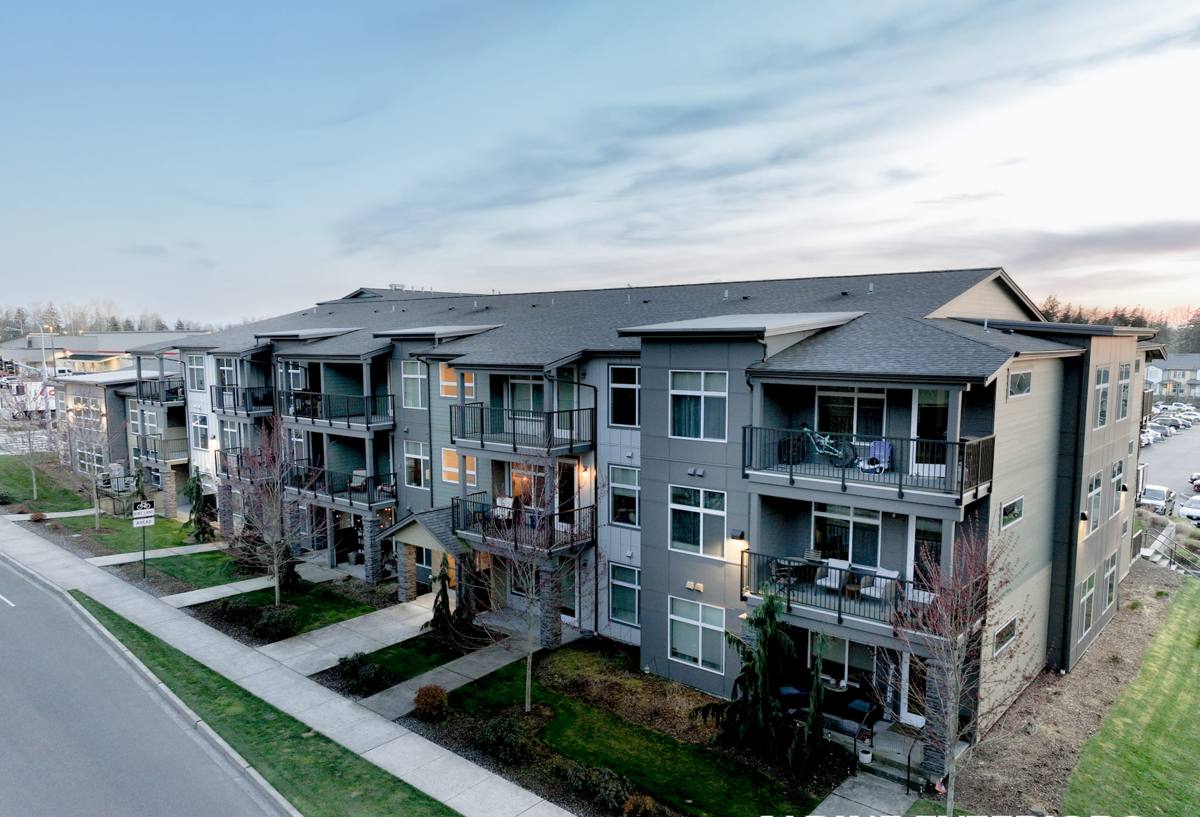
Cottonwood Beach sits right up against the water on the Birch Bay shoreline, and that location shows up on every house in the neighborhood eventually — in the paint, in the trim, and especially in the siding. Board and batten has always been a natural fit for this stretch of Whatcom County. It reads as coastal without trying too hard, it handles the wide, flat wall sections common on beach-area homes well, and the vertical lines shed water differently than horizontal lap siding does. But "board and batten" is a look, not a guarantee of performance. What that look is built from — and how it's put together — determines whether it's still doing its job in fifteen years or peeling and swelling in five.
We install James Hardie fiber cement exclusively, including Hardie's vertical board and batten systems, and we work Cottonwood Beach regularly enough to know which walls take the worst of the weather and which details actually matter here. This page is about that specific combination: this siding profile, in this location.
What Cottonwood Beach Siding Is Actually Up Against
Homes a short distance from Birch Bay's shoreline deal with a combination of stressors that inland Whatcom County houses don't see nearly as much of:
- Salt air: Airborne salt accelerates corrosion on fasteners, flashing, and any metal trim, and it settles into porous or damaged siding surfaces over time.
- Driving rain: Wind off the water doesn't just fall as rain — it pushes it sideways into wall assemblies, which is a much tougher test for seams, laps, and batten joints than straight-down rain.
- A long moss and algae season: The Pacific Northwest's wet, mild fall-through-spring stretch gives moss and mildew months of ideal growing conditions on any siding surface that stays damp or shaded.
- Temperature swings between marine and land-influenced air: Repeated expansion and contraction stresses caulked joints and fastener holes more than a stable inland climate would.
None of that is unique to Cottonwood Beach specifically, but proximity to the water concentrates it. A wall facing the bay is doing more work than the same wall a mile inland, and the siding on it needs to be chosen and installed with that in mind.
Why Board and Batten Specifically Struggles If It's Wrong
Board and batten's vertical joints are its weak point if they're not detailed correctly. Horizontal lap siding relies on overlap and gravity to shed water. Board and batten relies on the batten covering the joint between panels and on proper flashing and gapping behind it. In driving rain conditions, a batten joint that's tight, unflashed, or caulked shut instead of allowed to breathe will trap moisture against the wall assembly rather than shedding it — and that's exactly the failure mode that shows up first in coastal wind-driven rain.
Why We Install James Hardie Board & Batten Here — Not the Alternatives
There's more than one way to get the board and batten look. We've made a deliberate choice to install only James Hardie fiber cement, and it's worth explaining why, because the alternatives aren't bad products in every setting — they're just poor fits for this specific climate and this specific detail-sensitive siding style.
Real Wood Board & Batten
Traditional cedar or pine board and batten is the origin of this style, and it still looks great fresh. But wood is organic material sitting in a moss-friendly, salt-air, high-moisture environment. It needs regular refinishing, it's vulnerable to rot at the batten joints and bottom edges, and it's a continuous maintenance commitment that most homeowners underestimate when they buy the house rather than build it.
Vinyl Vertical Panel Siding
Vinyl board and batten-style panels are inexpensive and low-maintenance in the sense that they don't need painting. But vinyl is a thin plastic product that becomes brittle in cold snaps, can warp or distort in sustained heat and direct sun exposure, and has butt joints and channels that are notorious for trapping windblown moisture rather than shedding it — the opposite of what a coastal wall needs. It also isn't fire-rated the way fiber cement is.
LP SmartSide
LP SmartSide is an engineered wood product — wood strand and resin, not fiber cement. It performs reasonably in drier climates, but wood-based products are inherently more vulnerable to sustained moisture exposure than cement-based ones, and a shoreline neighborhood with a long wet season and driving rain is a demanding test for any wood-derived siding, however it's engineered.
Why James Hardie
James Hardie fiber cement is non-combustible, doesn't rot, and is manufactured with a factory-applied ColorPlus finish that's substantially more resistant to fading and moisture intrusion than a field-applied paint job. Hardie also makes an HZ5 product line specifically engineered for climates with sustained moisture exposure — which describes Birch Bay accurately. It comes with a strong transferable warranty on both the substrate and the finish. It's a heavier, denser material to install correctly, which is exactly why installation quality matters as much as the product choice.
| Material | Moisture Behavior in Driving Rain | Maintenance Burden | Typical Lifespan Here |
|---|---|---|---|
| James Hardie fiber cement | Engineered HZ5 line for wet climates; factory finish resists intrusion | Low — occasional wash, no repainting | 30+ years to finish/product warranty terms |
| Real wood (cedar/pine) | Absorbs moisture at joints and end grain; prone to swelling | High — refinish every few years | 10-20 years before major repair/replacement |
| Vinyl vertical panel | Channels can trap wind-driven water; brittle in cold | Low, but limited repair options | 15-25 years, shorter with UV/impact damage |
| LP SmartSide | Wood-based; vulnerable to sustained wet exposure | Moderate — sealing seams and cut edges matters | Varies significantly with installation and exposure |
What Correct Board & Batten Installation Involves
The material is only half the equation. A Hardie board and batten job that's installed wrong will still fail early, and a lot of the failures we get called out to fix in coastal neighborhoods trace back to installation shortcuts rather than the product itself.
Details That Matter in a Wind-Driven Rain Environment
- Rainscreen or drainage gap behind the panels: A ventilated gap lets any moisture that does get behind the siding dry out instead of sitting against the sheathing.
- Correct batten spacing and fastening: Battens need to cover the panel joint fully and be fastened per the manufacturer's spec, not just nailed wherever is convenient.
- Flashing at every horizontal transition: Window heads, roof-to-wall intersections, and deck ledgers all need proper flashing details — this is where driving rain finds its way in if it's skipped.
- Correct fastener type: Corrosion-resistant fasteners matter everywhere, but they matter more within a few blocks of saltwater.
- Sealed cut edges: Factory edges of Hardie panels come primed; field cuts need to be sealed per spec, especially at the bottom edge near grade.
- Proper clearance from grade, decks, and roof lines: Siding installed too close to the ground or a roof surface holds moisture and invites the moss growth this area is prone to.
Our Process for Cottonwood Beach Jobs
We follow the same core process on every board and batten job, adjusted for the specific exposure of the house:
- On-site assessment: We look at which elevations take the worst of the weather off the bay, check the existing wall assembly and sheathing condition, and identify any moisture damage already present.
- Product and line selection: We spec the appropriate Hardie board and batten profile and HZ line for the exposure level of each wall.
- Tear-off and prep: Old siding comes off, sheathing is inspected and repaired as needed, and a proper drainage plane and rainscreen gap go in before any new siding does.
- Installation to manufacturer spec: Batten spacing, fastening schedule, and flashing details are installed per James Hardie's published requirements — not shortcuts.
- Final inspection and cleanup: We walk the whole job before we call it done, checking joints, flashing, and finish consistency.
A crew that already works this neighborhood isn't guessing at how the bay-facing walls behave in a January wind event — we've seen it, and we build accordingly.
What Drives Cost on a Job Like This
| Factor | Why It Matters |
|---|---|
| Number and complexity of elevations | Bay-facing and corner walls often need more flashing and detail work than sheltered walls |
| Condition of existing sheathing | Moisture damage found during tear-off adds repair scope before new siding goes on |
| Panel and batten configuration | Batten spacing and reveal width affect material quantities and labor time |
| Trim and accessory work | Window, door, and corner trim details add material and labor beyond the flat wall areas |
| Access and site conditions | Waterfront lots with tight access or elevation changes can affect staging and labor |
Maintaining Board & Batten Near the Water
Hardie fiber cement is low-maintenance, not no-maintenance. In a Cottonwood Beach setting, a short seasonal checklist keeps it performing as intended:
- Rinse siding surfaces periodically to clear salt residue and organic buildup, especially on shaded, north-facing walls where moss takes hold first.
- Check caulking at trim, window, and door edges annually for cracking or separation.
- Keep gutters and downspouts clear so water isn't sheeting down wall surfaces.
- Trim back vegetation and maintain clearance from grade to keep airflow around the base of the walls.
- Address any impact damage or chipped finish promptly rather than letting it sit through a wet season.
Get a Local, No-Pressure Estimate
If you're looking at a board and batten refresh or replacement on a Cottonwood Beach home, we're glad to come take a look, walk the exposure of each wall with you, and give you a straightforward estimate — no pressure, no upsell into a product we don't stand behind. Use the form below to get started.