 Birch Bay Siding
 Window Installation Built for Bellingham's Weather, Not Just Any Weather
Bellingham sits close enough to Birch Bay and the Strait of Georgia that homes here deal with the same coastal weather pattern we see across Whatcom County: salt-tinged air blowing off the water, long stretches of driving rain, and a moss and mildew season that can run eight months of the year in shaded, damp spots. Windows are one of the few parts of a house that have to manage all three of those things at once — they're a moving, sealed assembly set into a hole cut through your weather barrier, and if that assembly isn't installed correctly for this climate, water and moisture will find the weak point eventually. We install windows in and around Bellingham regularly, and the failures we get called out to fix almost always trace back to installation shortcuts, not bad luck.
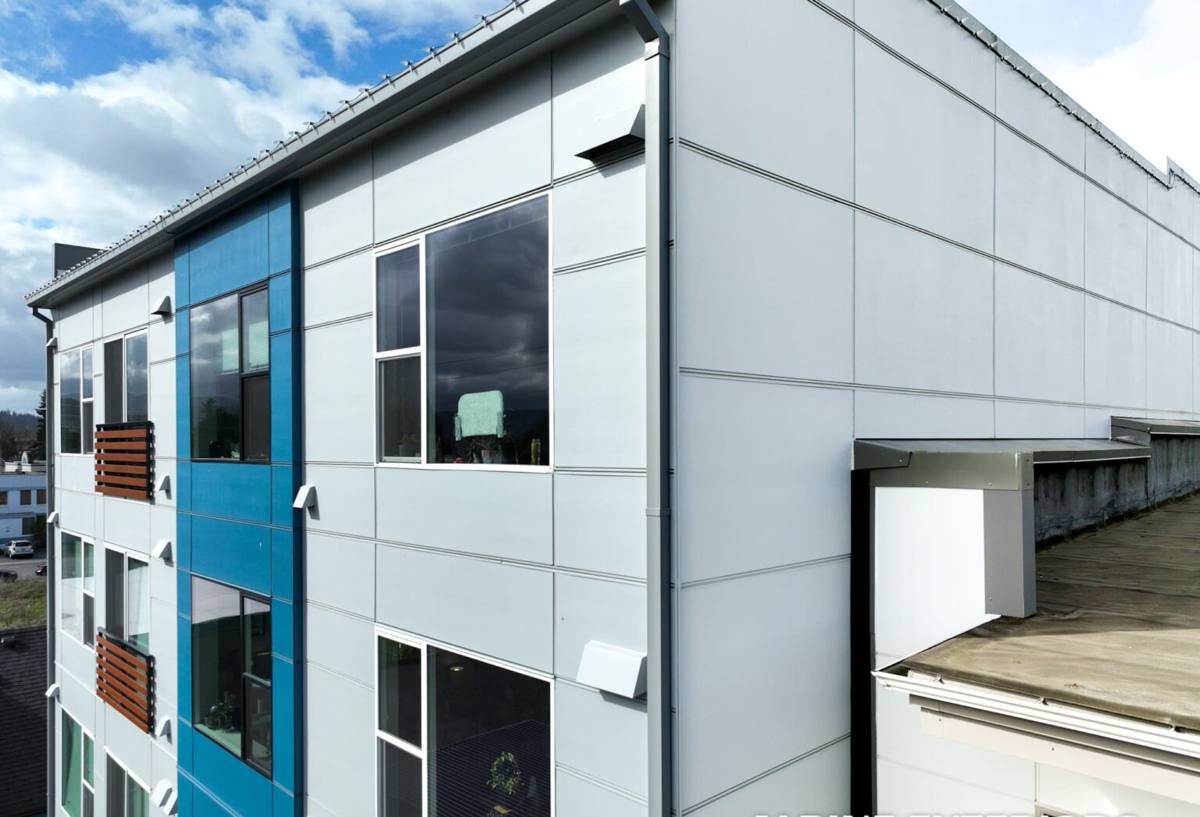
What Whatcom County's Climate Actually Does to a Window Opening
It helps to understand what you're up against before you talk installation methods or materials.
Salt Air
Even a few miles inland from Birch Bay Bay and Bellingham Bay, airborne salt accelerates corrosion on anything metal — window hardware, fasteners, and unprotected aluminum flashing or trim. Over years, corroded fasteners loosen, hardware sticks or fails, and cheap cladding can pit and discolor faster than it would in a dry inland climate.
Driving Rain
Storms here regularly come with sustained wind, which pushes rain sideways into wall assemblies rather than letting it simply run down the siding. Wind-driven rain finds any gap in flashing, any short-cut sealant joint, or any window that wasn't shimmed and sealed to manufacturer spec. This is the single biggest cause of window-related water damage we see in this area — not leaky glass, but water getting in around the frame.
Moss and Sustained Dampness
Our long wet season keeps exterior surfaces damp for extended stretches, which is exactly the condition moss, algae, and mildew need to establish. On windows specifically, that shows up as black mildew streaking on sills and tracks, moss creeping onto north-facing trim, and — if moisture is getting past the seal — hidden rot in the framing around the window that you won't see until the trim is pulled off.
Signs a Bellingham Home May Need New Windows or a Re-Install
- Fogging or a permanent haze between the panes (failed seal on the insulated glass unit)
- Soft, discolored, or spongy trim or drywall around the window frame
- Visible daylight or a noticeable draft along the frame edges when it's windy
- Windows that are difficult to open, close, or lock — often a sign the frame has shifted or swollen
- Water staining on the interior sill or wall below the window after storms
- Persistent condensation on the inside of the glass, even in mild weather
- Visible moss, algae, or black mildew building up on the exterior sill or bottom corners
What a Correct Installation Involves
Window installation looks simple from the outside — take the old one out, put the new one in — but the parts that actually determine whether it survives a Whatcom County winter happen before the window ever goes in the opening.
Flashing and Water Management
The sill pan is the first line of defense. Any water that ever gets behind the window's own seals needs a sloped, sealed pan to land on and a path back outside — not a flat wood sill that holds moisture against the framing. Head flashing and side flashing need to be integrated with the house's weather-resistive barrier in the correct shingle-lap order (top layer over the one below it) so water is always directed outward and down, never trapped behind the siding.
Air Sealing and Insulation
The gap between the window frame and the rough opening needs to be filled with a low-expansion foam or backer rod and sealant — not stuffed with fiberglass insulation alone, which does little to stop air and moisture movement. Too much expanding foam can bow the frame and cause the sash to stick; too little leaves a cold, drafty gap. This is a place where experience matters more than the product label.
Fasteners and Hardware
Given the salt exposure this close to the water, we use corrosion-resistant fasteners and hardware rather than standard-grade steel screws that will start rusting within a couple of seasons.
Sealant Joints
The exterior perimeter sealant bead is the visible seal, but it's the backup, not the primary defense — that's the flashing's job. A quality, paintable, exterior-grade sealant applied correctly still matters, especially on the sides and bottom corners where wind-driven rain hits hardest.
Choosing the Right Window Material for a Coastal Climate
There's no single "best" window material — each has real trade-offs, and the right call depends on your home, your budget, and how much upkeep you want to take on.
| Material | Moisture & Salt Air Performance | Maintenance | Typical Lifespan |
|---|---|---|---|
| Vinyl | Good — won't rot or corrode; seams are the weak point if welding quality is poor | Low — no painting, occasional cleaning | 20–30 years |
| Fiberglass | Very good — dimensionally stable, resists warping in temperature and humidity swings | Low | 30–40+ years |
| Wood (unclad) | Poor near salt air and driving rain unless meticulously maintained | High — regular painting/sealing required | Varies widely with upkeep |
| Wood-clad (aluminum or fiberglass exterior) | Good — exterior shell handles weather, interior keeps wood look | Moderate | 25–35 years |
| Aluminum | Fair — prone to corrosion pitting in salt air unless properly coated; poor natural insulator | Low to moderate | 20–30 years |
Our standard recommendation for homes near Birch Bay and Bellingham is vinyl or fiberglass for most budgets, specifically because they don't give salt air or moisture a foothold. We don't push unclad wood windows in this climate — not because wood is a bad material, but because the maintenance burden of keeping bare wood sealed against this much rain and humidity is more than most homeowners want to sign up for. If you love the look of wood, a wood-clad option gets you most of that appearance with far less upkeep.
Our Installation Process
- On-site assessment: We check the existing window openings for hidden rot, measure accurately, and identify any framing repairs needed before new windows go in.
- Material and quote: We walk through material options honestly, including trade-offs, and provide a written estimate with no pressure to decide on the spot.
- Removal: Old windows and any compromised trim or sheathing are removed carefully to expose the rough opening.
- Inspection and repair: Any water-damaged framing found during removal is repaired before the new window goes in — installing a new window over rotten framing just hides the problem.
- Flashing installation: Sill pan, side, and head flashing are integrated with your home's weather barrier in the correct order.
- Setting and shimming: The window is leveled, plumbed, and shimmed to the correct reveal so it operates smoothly for years.
- Air sealing and finishing: Low-expansion foam, backer rod, and exterior sealant complete the seal; interior and exterior trim is reinstalled or replaced.
- Final check: We test every sash and lock, check for square operation, and walk the job with you before we consider it done.
Permits, Codes, and Energy Requirements
Window replacement in Washington falls under the Washington State Energy Code, which sets minimum U-factor requirements for replacement windows depending on the project type. Bellingham and Whatcom County are in a marine climate zone, which generally calls for good thermal performance given our mild but persistently damp winters. Bedroom windows also have to meet egress requirements — minimum opening size and sill height — if you're replacing a bedroom window with a different style or size. Permit requirements vary by jurisdiction and by whether you're doing a like-for-like replacement or altering the opening size; we handle that determination and any required permitting as part of the job so you're not left guessing.
Cost Factors to Expect
Every home and project is different, but these are the variables that move the price up or down on a typical Bellingham-area window job.
| Factor | Why It Matters |
|---|---|
| Full-frame vs. insert replacement | Full-frame replaces the entire unit including exterior trim and flashing — more labor, but necessary if there's rot or you're changing window type |
| Hidden framing repair | Rot found during removal adds material and labor that can't be quoted until the old window is out |
| Window size and count | Larger openings and bulk jobs (whole-house replacement) generally lower the per-window cost |
| Material choice | Vinyl is typically the most affordable; fiberglass and wood-clad cost more upfront but often last longer |
| Access and site conditions | Second-story windows, tight landscaping, or difficult access add time |
Why a Crew That Already Works This Area Matters
Window installation done to a generic national standard can still fail here if it doesn't account for what our specific weather does over time. A crew that regularly works Birch Bay, Blaine, Ferndale, and Bellingham has already seen which flashing details hold up against our driving rain, which materials shrug off salt air, and which shortcuts show up as callbacks two winters later. That local pattern recognition is worth more than any brand name on the window itself — the best window in the world still fails if it's flashed wrong for the weather it's actually facing.
If you're dealing with drafty, foggy, or water-stained windows, or you're planning ahead for a remodel, we're happy to take a look and give you a straightforward, no-pressure estimate. Use the form below to get started.