 Birch Bay Siding
 Building Decks in Terrell Creek: A Different Set of Problems
Terrell Creek sits close enough to Birch Bay that a deck out here deals with more than just weather — it deals with salt-laden air moving off the water, long stretches of driving rain in the fall and winter, and the shade and moisture that come with creek-corridor tree cover. A deck built the way it would be in a drier inland climate tends to show problems early: rusted fastener heads, soft spots around the ledger board, and a green film across the boards by the second wet season. A deck built for this specific stretch of Whatcom County holds up because every material and connection is chosen with that combination of conditions in mind, not just the average Pacific Northwest forecast.
This page covers what we actually do differently when we build a custom deck for a Terrell Creek property — the material choices, the framing details, the code requirements, and the maintenance that keeps it looking and performing the way it should for decades, not just the first few years.
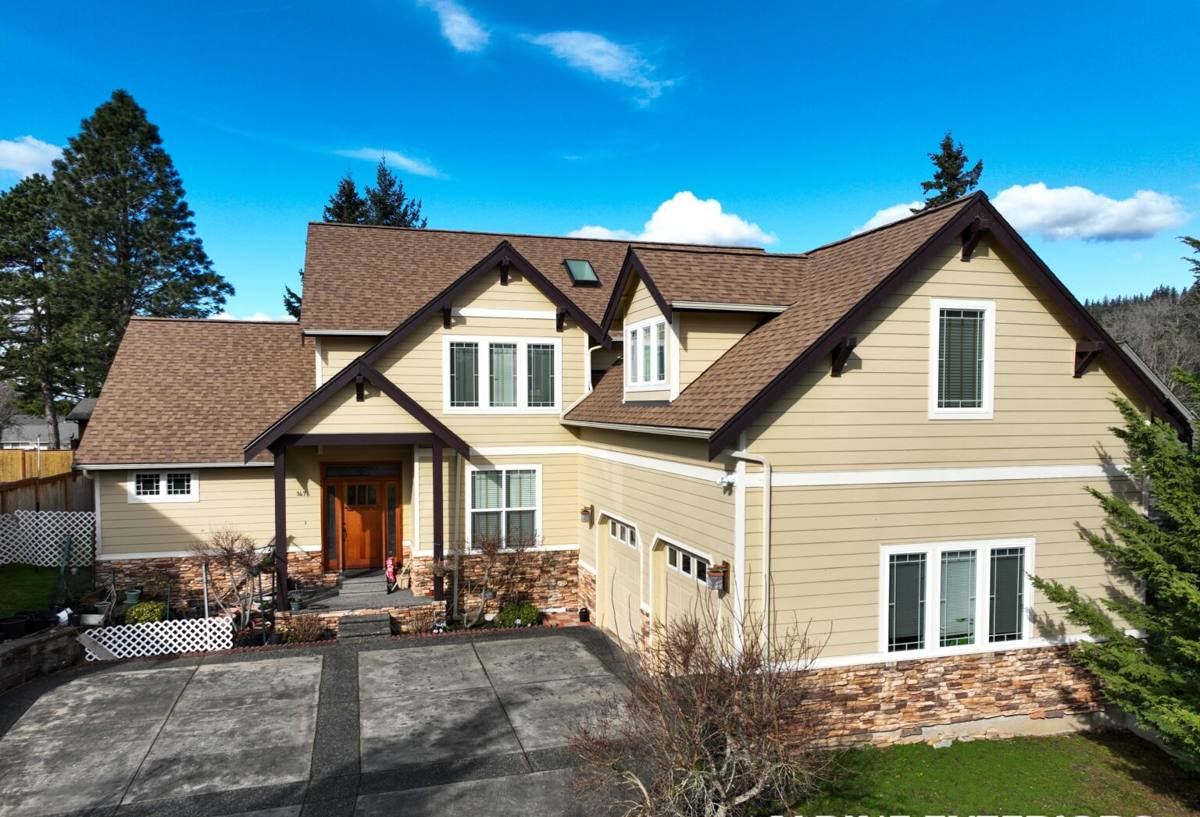
What Terrell Creek Properties Need From a Deck
A few conditions come up over and over on jobs in this area, and they should shape the design before a single board is cut:
Salt Air and Metal Corrosion
Being close to Birch Bay means airborne salt reaches structures further inland than most homeowners expect, and it doesn't take a direct waterfront lot for it to matter. Salt air accelerates corrosion on any exposed metal — screw heads, joist hangers, bolts, railing hardware. Standard interior-rated or economy-grade fasteners will streak and weaken years before a coastal-rated fastener will.
Driving Rain and Water Intrusion
Rain in this part of Whatcom County doesn't just fall straight down — wind off the bay pushes it sideways into ledger connections, stair stringers, and any spot where the deck meets the house. If flashing and water management aren't handled correctly at the design stage, water finds its way behind siding and into framing, and that damage is often invisible until it's expensive.
Shade, Moisture, and Moss
Creek-adjacent lots tend to carry more tree cover and slower-drying ground than open Birch Bay properties, which extends the moss and algae season. Boards that stay damp longer grow moss faster, and moss-covered decking is genuinely dangerous underfoot — not just an appearance issue.
Choosing the Right Decking Material
There's no single "best" decking material for every Terrell Creek yard — it depends on sun exposure, budget, and how much upkeep a homeowner actually wants to do. Here's how the common options compare under these specific conditions:
| Material | Moss/Algae Resistance | Maintenance | Coastal Fastener Needs | Typical Lifespan Here |
|---|---|---|---|---|
| Cedar | Moderate — needs regular cleaning and sealing | Annual cleaning, re-stain/seal every 2–3 years | Stainless steel strongly recommended | 15–20 years with upkeep |
| Pressure-treated fir/pine | Low — traps moisture, moss-prone in shade | Frequent cleaning, sealing every 1–2 years | Hot-dip galvanized minimum | 10–15 years |
| Composite (capped) | High — resists moisture absorption | Periodic washing, no sealing/staining | Stainless steel or coated composite-rated screws | 25+ years |
| PVC decking | Highest — no organic material to feed growth | Occasional washing | Stainless steel or manufacturer-specified fasteners | 25–30+ years |
In shaded, creek-side sections of a lot, we lean homeowners toward composite or PVC precisely because wood in that microclimate rarely gets enough sun and airflow to dry out between rains. On more open, sun-exposed portions of a Birch Bay property, a well-maintained cedar deck still holds up and gives a look a lot of owners prefer — it just requires a real maintenance commitment.
Framing, Fasteners, and Flashing: Where Decks Actually Fail
Most deck failures we see out here aren't decking-board problems — they're structural connection problems that took years to show up. The details below are non-negotiable on our builds.
Ledger Board Flashing
The ledger board — where the deck attaches to the house — is the single most common point of hidden water damage. We flash it with a proper drip cap and water-resistant membrane, and we never rely on caulk alone to keep driving rain out of that joint.
Fastener Grade
For anything within reach of salt air off Birch Bay, we specify stainless steel or coastal-rated fasteners for structural connections, not just standard exterior-rated hardware. It costs more up front and saves a homeowner a re-fastening or hardware-replacement job a few years down the road.
Joist Protection and Drainage
Joist tape over the top of framing members keeps standing water from soaking into end grain, which is where rot typically starts. Proper board spacing and, where the design calls for it, an under-deck drainage system keep water moving off the structure instead of pooling against it.
Footings
Footings are set below frost depth and sized to the soil conditions on the specific lot — creek-adjacent ground can hold more moisture and behave differently than a well-drained upland lot, so we don't treat footing design as one-size-fits-all across Birch Bay.
Permits and Code Requirements
Most new decks and any deck replacement involving structural changes require a permit through Whatcom County, and inspections typically check footings, framing, and guardrails at different stages of the build. A few code basics that come up on nearly every project:
- Guardrails are generally required once a deck surface is more than 30 inches above grade, and must meet a minimum height requirement.
- Stair railings and baluster spacing have their own code requirements, separate from deck-perimeter guardrails.
- Footing depth and size are tied to local frost depth and the load the structure carries, not a flat number that applies everywhere.
- Decks attached to the house need a code-compliant ledger connection, not just fasteners driven into siding.
We handle the permit application and coordinate inspections as part of the build — a homeowner shouldn't have to chase down what Whatcom County requires on their own.
Our Deck-Building Process
1. On-Site Assessment
We walk the property, look at sun exposure, drainage, tree cover, and how close the site sits to open water or wind-exposed terrain, and talk through what the deck needs to do — entertaining space, grade transition, hot tub support, whatever the goal is.
2. Design and Material Selection
We lay out size, footprint, and railing style, and walk through decking material trade-offs honestly, including where composite or PVC will genuinely outperform wood on that specific lot.
3. Permitting
We prepare and submit the permit package to Whatcom County and schedule the required inspections around our build timeline.
4. Framing and Structural Work
Footings, ledger flashing, joist layout, and fastener selection all happen with the salt-air and rain exposure of the specific site in mind — this is the stage that determines how the deck ages, more than the decking material itself.
5. Decking, Railing, and Finish
Decking is installed with proper spacing for drainage, railings are set to code, and any wood surfaces are sealed before the deck is turned over.
6. Walkthrough
We go over maintenance expectations for the specific material installed so there are no surprises about upkeep down the road.
Maintenance to Keep a Terrell Creek Deck Looking Good
The maintenance a deck needs out here depends heavily on how much shade and moisture the site gets, but a few habits apply across almost every property in this area:
- Sweep off leaves and debris regularly — trapped organic matter is what feeds moss and algae growth fastest.
- Rinse or wash decking at least once or twice a year to remove salt residue and surface grime before it builds up.
- Check fastener heads and railing hardware annually for early rust or corrosion, especially on wood decks.
- Re-seal or re-stain wood decking on the schedule the product calls for — skipping a cycle in this climate shortens lifespan noticeably.
- Keep an eye on shaded, low-airflow corners of the deck, where moss establishes first.
- Confirm gutters and downspouts near the deck aren't dumping extra water onto or under the structure.
Why Hire a Crew That Already Works Birch Bay and Terrell Creek
A contractor who mostly builds decks inland doesn't run into salt-air corrosion or a creek-corridor moss season often enough to build habits around it. Fastener grade, flashing detail, and material selection all matter more here than they do twenty miles inland, and getting them right the first time is a lot cheaper than fixing a rotted ledger board or a rusted-out railing connection five years in. We build decks across Birch Bay and the surrounding Whatcom County area, and the specs we use on a Terrell Creek deck reflect what actually holds up in this exact climate — not a generic regional standard.
If you're planning a new deck or replacing one that's showing its age, we're happy to walk the property, talk through material and design options honestly, and give you a straightforward estimate — no pressure, no obligation. The form below is the easiest way to get that started.