 Birch Bay Siding
 Semiahmoo's Weather Is Harder on Siding Than Most People Realize
Homes on and around the Semiahmoo side of Birch Bay sit in one of the more exposed pockets of Whatcom County. You've got open water on one side, prevailing wind driving rain sideways into walls, and a shoreline that keeps the air salty even a few blocks inland. Add the long gray stretch from fall through spring when surfaces barely get a chance to fully dry, and you have a recipe for siding problems that show up faster here than they would on a house twenty miles inland.
Three things do most of the damage over time: salt air, wind-driven rain, and moss. Salt air is corrosive to exposed metal fasteners and trim, and it also holds moisture against surfaces longer than dry inland air does. Wind-driven rain doesn't just fall on siding — in a real blow off the water, it gets pushed sideways and upward, finding gaps around trim, penetrations, and lap joints that would never get tested in a calmer location. And moss season here isn't a few weeks — shaded, north-facing, and water-adjacent walls can stay damp enough to grow moss and algae for months, which traps moisture against the siding surface and accelerates rot underneath if the material and installation aren't up to it.
None of this means Semiahmoo is a bad place to build or re-side a house. It means the siding system and the installation details matter more here than they would in a milder inland neighborhood.
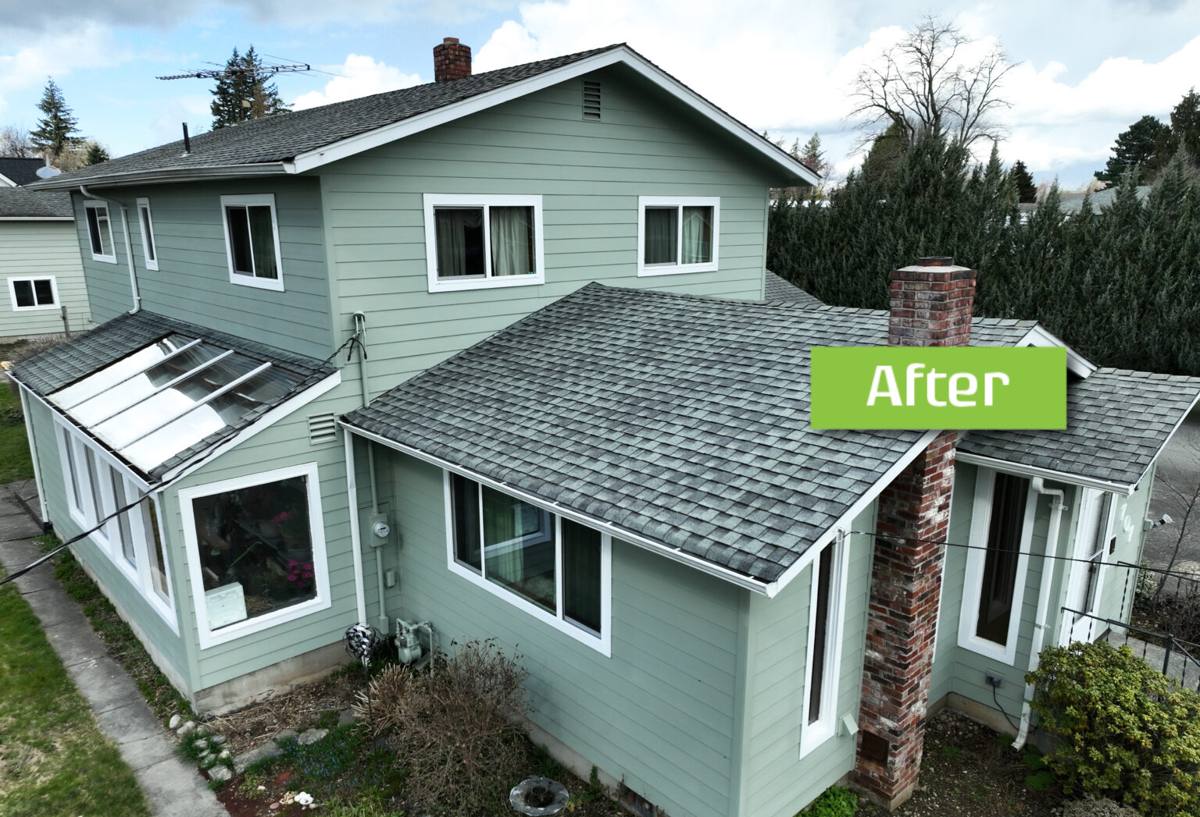
What a Correct Siding Installation Actually Involves
A lot of siding problems people blame on "bad siding" are actually installation problems. The material can be excellent and still fail early if the details underneath it are wrong. On a coastal property like this, we pay particular attention to:
The Drainage Plane
Behind every siding installation should be a continuous water-resistive barrier that lets any moisture that gets past the siding drain back out instead of soaking into the wall sheathing. On a home exposed to driving rain off the water, this layer is not optional — it's the actual line of defense, with the siding as the first deflector.
Flashing at Every Penetration
Windows, doors, hose bibs, vents, light fixtures — every penetration through the siding is a place water wants to get in. Correct flashing (installed in the right shingle-lap order, sealed with compatible materials) is what keeps wind-driven rain from finding its way behind the cladding.
Fastening and Clearances
Fasteners need to be corrosion-resistant and driven correctly — not overdriven, not underdriven — and siding needs proper clearance from grade, roof lines, and decks so water and debris don't sit against the bottom edge. In a salt-air environment, fastener choice matters even more than usual.
Caulking and Joint Treatment
Where panels or planks meet trim, corners, and each other, joints need to be treated with the right sealants and gapping — not just caulked shut, which can trap moisture rather than let it escape.
Every one of these details is invisible once the job is finished. That's exactly why they matter — a homeowner can't inspect them after the fact, so they depend entirely on the installer getting it right the first time.
Why We Install Only James Hardie Fiber Cement on Birch Bay Homes
We standardized on James Hardie fiber cement siding because it holds up to the specific conditions this shoreline throws at a house, not because it's the only siding product on the market. Fiber cement is non-combustible, dimensionally stable in wet-dry cycling, and doesn't feed moss and mildew growth the way some wood-based and wood-alternative products can when they stay damp for extended stretches. James Hardie also builds region-specific HZ5 formulations engineered for harsher, wetter climate zones — which describes this stretch of coastline well.
The factory-applied ColorPlus finish is also a real advantage here. Salt air and constant moisture are hard on field-applied paint — you see it in faster fading and more frequent repainting on painted wood and some fiber cement competitors. A baked-on factory finish resists fading and chipping far longer, which matters when a home is exposed to sun, salt, and rain in the same season.
We don't install vinyl, LP SmartSide, cedar, primed spruce, Cemplank, or Allura. Each of those has legitimate uses elsewhere, but for this specific combination of salt exposure, wind-driven rain, and long damp seasons, we've made James Hardie our standard and we stand behind that choice rather than offering a menu of products with very different long-term track records in this climate.
Our Installation Process on Semiahmoo-Area Homes
- On-site assessment — we look at wall exposure, existing siding condition, moisture damage if any, and how the home is oriented relative to wind and water.
- Tear-off and sheathing inspection — old siding comes off and we check the sheathing underneath for rot or soft spots before anything new goes up. This step catches problems a surface inspection can't.
- Weather barrier and flashing — a continuous drainage plane goes on first, with flashing integrated at every window, door, and penetration in the correct order.
- James Hardie installation to manufacturer spec — proper fastener spacing, panel gapping, and clearances, following James Hardie's published installation requirements (which is also what keeps the manufacturer's warranty intact).
- Trim, caulking, and detail work — corners, joints, and transitions get finished so water sheds correctly instead of pooling or getting trapped.
- Final walkthrough — we go over the finished work with the homeowner before calling the job done.
Cost Factors Homeowners Should Understand
Every home is different, so a real number only comes from an on-site look. But the factors that move the price are consistent, and knowing them helps you evaluate any quote you get.
| Factor | Why It Matters |
|---|---|
| Home size and wall complexity | More corners, gables, and dormers mean more cutting, trim, and labor time |
| Existing sheathing condition | Rot found during tear-off adds repair work before new siding can go on |
| Siding profile chosen | Lap, shingle-style, and panel systems differ in material and install time |
| Trim and accessory scope | Corner boards, fascia, and soffit work are often bundled with a full re-side |
| Access and site conditions | Steep grades, tight lot lines, or limited equipment access affect labor time |
Signs a Semiahmoo Home May Need New Siding
- Persistent moss or dark streaking on north-facing or shaded walls that keeps returning after cleaning
- Soft spots, bubbling, or visible warping, especially near the base of walls or under windows
- Paint that's failing much faster than the rest of the house, which can signal moisture getting in behind the surface
- Gaps opening up at trim, corners, or panel joints
- Noticeably higher heating bills, which can point to a compromised weather barrier letting conditioned air escape
- Visible corrosion around fasteners or trim hardware
Why a Crew That Already Works Semiahmoo Matters
Siding installation isn't one-size-fits-all, and a crew that already works this specific stretch of Birch Bay and Whatcom County has seen how these conditions actually play out on real houses — which walls take the worst of the wind-driven rain, where moss tends to establish first, and how salt air affects material choices over a full season, not just on a sunny install day. That local pattern recognition shows up in the details: where extra flashing attention goes, which corners need tighter sealing, and how a home should be oriented relative to prevailing weather during the tear-off phase so the wall isn't left exposed at the wrong time.
A crew unfamiliar with this coastline can still do competent generic work, but coastal Whatcom County conditions reward experience with this particular combination of salt, wind, and rain. Local permitting familiarity and knowledge of how homes in this area were originally built also speeds up the sheathing inspection and reduces surprises once tear-off starts.
Maintenance After Installation
Correctly installed James Hardie siding is low-maintenance, not no-maintenance. In a salt-air, moss-prone environment like Semiahmoo, a simple annual rinse to knock off salt residue and organic growth before it establishes goes a long way. Keeping gutters clear and vegetation trimmed back from walls reduces the moisture load on siding surfaces. Because the ColorPlus finish is factory-applied, homeowners generally don't need to repaint on the schedule that field-painted siding requires — but it's still worth a periodic look at caulking and trim joints, since sealants are the one part of the system that ages faster than the siding itself.
Get a Free, No-Pressure Estimate
If your Semiahmoo-area home is showing signs of moss buildup, moisture damage, or aging siding, we're happy to take a look and give you an honest read on what's going on and what it would take to fix it right. There's no obligation and no pressure — just a straightforward assessment from a crew that installs one product, to one standard, and already knows this stretch of coastline. Use the form below to request your free estimate.