 Birch Bay Siding
 Windows Built for the Nooksack Area's Weather, Not Just Any Weather
Whatcom County doesn't give windows an easy life. Homes in and around Nooksack sit in the same weather system that pushes salt-laden air off Birch Bay, dumps driving rain sideways for weeks at a stretch, and keeps everything shaded and damp long enough for moss to take hold on anything that isn't sloped or sealed correctly. A window that would be perfectly fine in a drier climate can start failing here within a few years if it wasn't specified, flashed, and installed with this specific weather pattern in mind.
Custom windows aren't about luxury add-ons. For a Nooksack home, "custom" mostly means matching the window to your house's actual exposure, framing condition, and moisture load — not pulling a generic size off a shelf and caulking around the gaps. That distinction is where most long-term window problems either get solved or get built right into the wall.
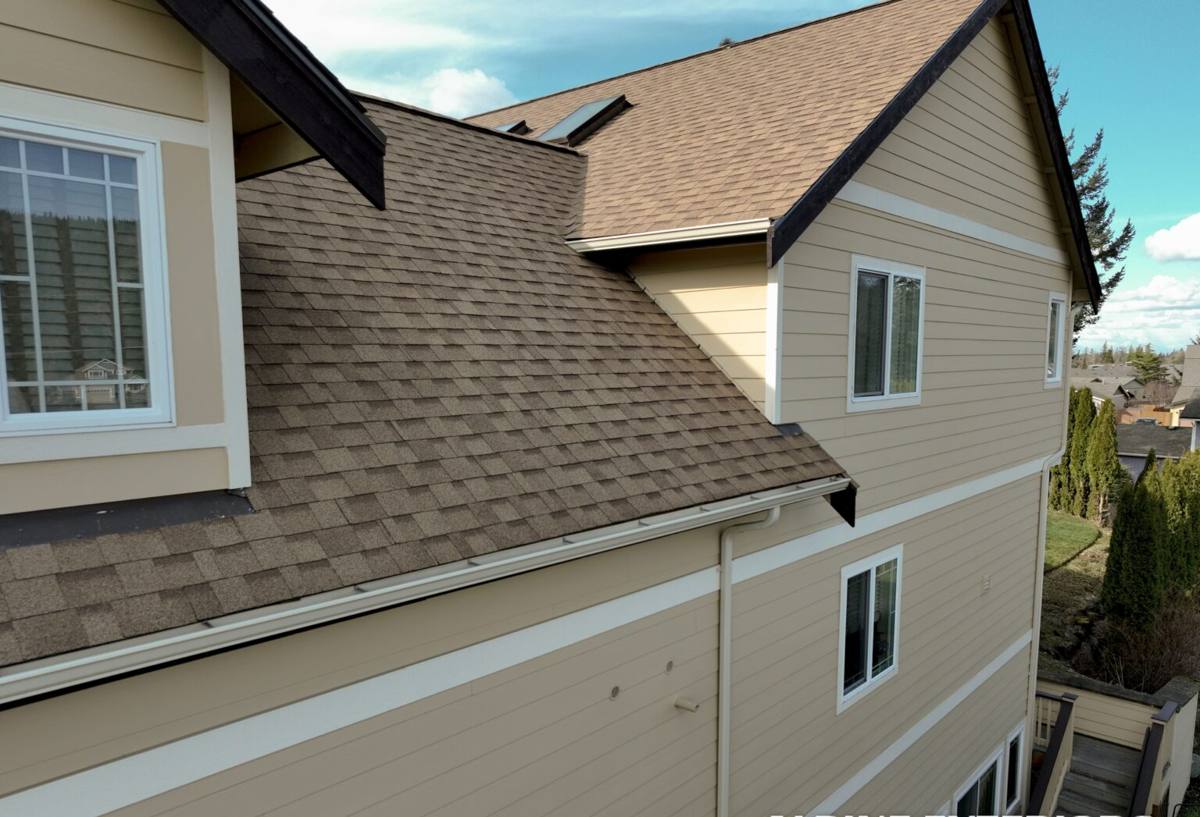
What "Custom" Actually Means for a Window Replacement
A stock window works when a rough opening is standard size, square, and in good condition. Older Whatcom County homes — and plenty of newer ones with settling or moisture-damaged framing — rarely offer that. Custom windows are built to the actual opening, which means:
- No gap-filling with excess trim, foam, or caulk to make an ill-fitting stock unit work
- Frame material and glass package matched to the wall's sun exposure, wind load, and moisture history
- Correct sizing for openings that have shifted slightly with age, which is common in this region's damp, freeze-thaw-adjacent climate
- Style and grid pattern that matches the rest of the house instead of forcing a compromise
Common Window Styles We Fit for Nooksack Homes
Casement and awning windows tend to perform well here because their compression seal resists wind-driven rain better than a slider's friction fit. Double-hung windows remain popular for their familiar look and easier cleaning, and they work fine as long as the weep system and sill flashing are done correctly. Picture windows and larger fixed units are common on newer additions, but they demand extra attention to structural support and flashing since there's no operable sash to mask a poor installation.
Signs Your Current Windows Are Working Against You
Most homeowners don't replace windows on a schedule — they replace them when something tells them to. In this climate, the warning signs tend to show up as moisture and air problems before they show up as obvious breakage.
- Fogging or a permanent haze between double-pane glass (the seal has failed and the gas fill is gone)
- Soft or discolored trim and sill wood, especially on the sides that catch the most wind-driven rain
- Visible moss or dark streaking on the sill or below the window, even after cleaning
- Drafts you can feel with a hand near the frame on a windy day
- Windows that are hard to open, close, or lock — often a sign the frame has swollen or shifted
- A noticeable jump in heating costs without any other explanation
- Condensation forming on the inside of the glass regularly through fall and winter
Any one of these on its own might not mean much. Two or three together, especially on the same window, usually mean the unit is past the point where caulk and weatherstripping will fix it.
Materials and Glass: What Actually Holds Up in This Climate
We don't push one frame material as the answer for every house. Each has real trade-offs, and the right call depends on the window's exposure, your maintenance appetite, and your budget.
| Frame Material | Moisture Performance | Maintenance | Best Fit |
|---|---|---|---|
| Vinyl | Won't rot or corrode; seams are the weak point if not welded well | Low — occasional cleaning | Most homes, best value |
| Fiberglass | Excellent — dimensionally stable in wet/dry cycles | Low | High-exposure walls, larger units |
| Wood-clad | Good if cladding and flashing are done right; interior wood still needs protection | Moderate to high | Homes prioritizing a traditional interior look |
| Aluminum | Poor thermal performance, prone to condensation in this climate | Low | We generally steer clients away from it here |
On glass, double-pane with a low-E coating and argon fill is the practical baseline for this area — it manages both heat loss and the condensation risk that comes with our humidity. Triple-pane adds meaningful insulation value but at a real cost and weight premium; we'll tell you honestly whether that's worth it for your specific walls rather than upselling it by default.
What a Correct Installation Actually Involves
The window itself is maybe half the job. The other half — the part nobody sees once it's finished — is what determines whether it lasts 25 years or leaks in five.
Flashing and Moisture Management
Every opening gets a sill pan and flashing sequence that sheds water out and away from the framing, layered so each piece overlaps the one below it like shingles. This is the single most common shortcut in bad window jobs, and it's also the one that causes the rot and hidden mold damage that's expensive to fix later. In an area that gets sustained, wind-driven rain, this step isn't optional — it's the difference between a window that survives a Whatcom County winter and one that quietly rots the wall around it.
Air and Water Sealing
Proper installation includes both an air seal on the interior side and a water-resistant barrier on the exterior side, kept separate so moisture that does get past the exterior can drain back out instead of getting trapped in the wall cavity. We also check and correct the rough opening framing where needed rather than building around a problem.
Our Process From Estimate to Final Walkthrough
- On-site assessment — we inspect each window opening, check for existing moisture or framing damage, and note sun and wind exposure per wall
- Honest recommendation — we walk you through material and glass options with real trade-offs, not a single "package" pitch
- Custom measurement and ordering — units are built to your actual openings, not standard sizes
- Removal and prep — old windows come out carefully, and we address any rot or framing issues we find before anything new goes in
- Flashing and installation — sill pan, flashing, insulation, and air/water sealing done in the correct sequence
- Interior and exterior finish work — trim, caulking, and paint or stain matched to your home
- Final walkthrough — we test operation, check seals, and go over basic care with you before we consider the job done
Cost Factors for Custom Window Projects
Every project is different, but the same handful of variables drive most of the cost difference between a simple swap and a full custom job:
- Number of windows and how much framing repair, if any, is needed at each opening
- Frame material chosen (vinyl, fiberglass, and wood-clad price differently)
- Glass package — standard double-pane low-E versus triple-pane or specialty coatings
- Window size and whether any openings are non-standard shapes or larger than typical
- Accessibility — second-story or hard-to-reach openings take more labor time
- Exterior finish work required to match existing trim and siding
We give a written estimate that breaks these out so you can see where the money is going, rather than a single lump number you have to take on faith.
Why a Crew That Already Works the Nooksack Area Matters
A contractor who works Whatcom County regularly already knows how homes in this area tend to be built, what moisture damage typically looks like once you open a wall, and how much margin to build in for a climate that doesn't forgive shortcuts. That's not marketing — it's the difference between a crew guessing at flashing details and one that's done the same weather-driven repair enough times to know exactly where water finds its way in on a home like yours. Whether your property sits closer to the salt air near Birch Bay or further inland near Nooksack, the driving rain and long moss season are a constant across this region, and the installation standard shouldn't change based on which side of the county you're on.
Keeping Custom Windows Performing for the Long Haul
Even a correctly installed window benefits from basic upkeep in this climate:
- Clear debris and moss from sills and tracks a couple of times a year, especially after fall
- Check weatherstripping annually and replace it if it's compressed or cracking
- Keep gutters and downspouts clear so water isn't sheeting down across window heads
- Repaint or re-stain wood-clad exteriors on the manufacturer's recommended schedule — don't wait for peeling to start
- Address any new drafts or sticking sashes early, before moisture gets a foothold
If you're weighing whether your windows need attention or you're ready to plan a replacement, we're happy to take a look and give you a straight, no-pressure assessment. Use the form below to request a free estimate for your Nooksack-area home.