 Birch Bay Siding
 Metal Roofing in Marietta: Built for a Wet, Salty Corner of Whatcom County
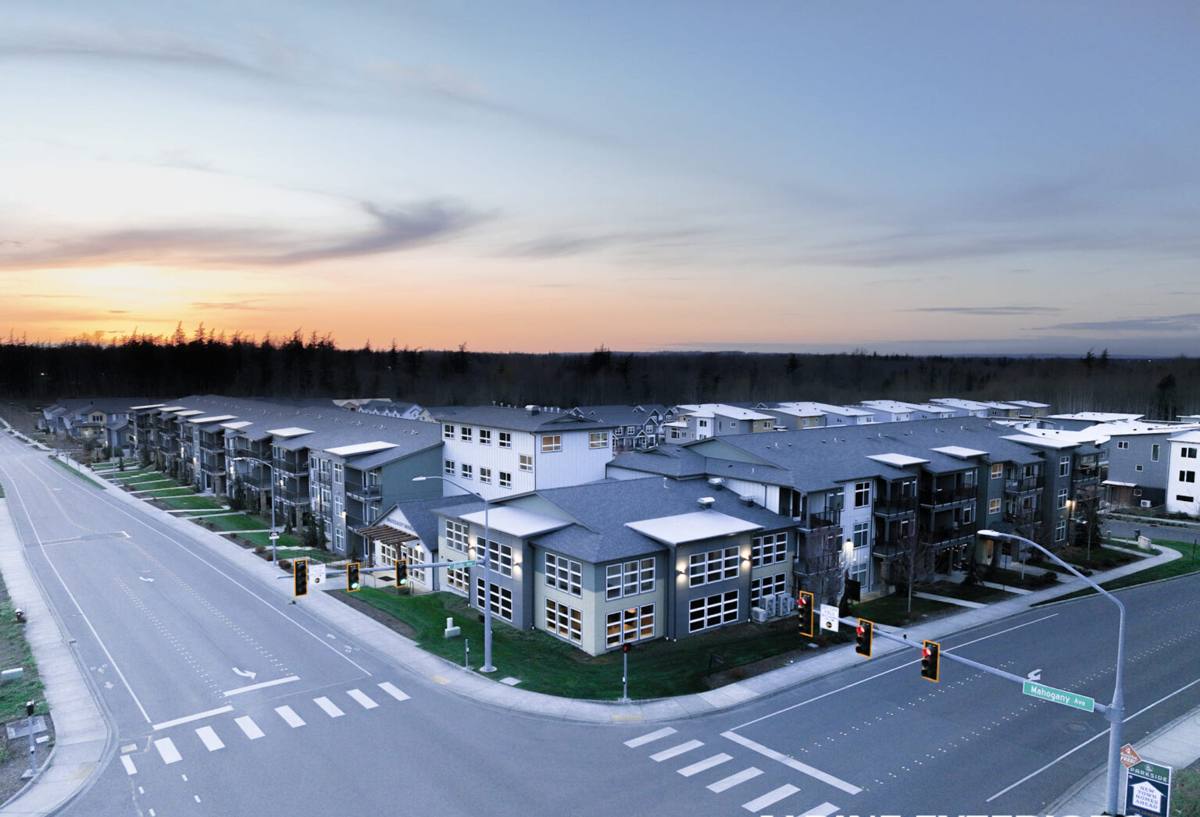
Marietta sits low along the water in Whatcom County, and that location puts homes here in one of the more demanding roofing environments in the region. Salt-laden air moves in off the bay and settles on everything, wind-driven rain comes at roofs sideways instead of straight down, and a long, mild moss season keeps shaded slopes damp for most of the year. A roof that's easy to maintain on a dry, inland lot can start showing real problems within a few seasons out here if it wasn't chosen and installed with this exposure in mind.
Metal roofing is one of the few systems that genuinely holds up to that combination when it's specified and installed correctly. This page focuses specifically on what metal roofing means for a Marietta home — what the climate demands, what a correct installation actually involves, how our process works, and why it's worth hiring a crew that already knows this stretch of coastline rather than one learning it on your roof.
What Marietta's Climate Does to a Roof
Salt Air and Corrosion
Being close to the water means more airborne salt reaching every exposed surface than a home even a few miles inland would see. Salt accelerates corrosion on fasteners, flashing, and any metal component that isn't rated for a marine environment. On a metal roof specifically, that makes finish quality and fastener grade two of the most important decisions in the whole project — cut corners there and the roof will show rust streaks and failing seals years before it should.
Wind-Driven Rain
Rain off the water in this area rarely falls straight down. Wind pushes it sideways into laps, seams, valleys, and flashing details that would stay dry in a calmer inland rain event. A metal roof's seams and panel-to-panel connections have to be specified for that lateral pressure, not just for a standard vertical rainfall load, or water will eventually find its way in at the weakest joint.
A Long Moss Season
Mild temperatures and near-constant moisture give moss a long growing window across this part of Whatcom County, and shaded or north-facing roof slopes usually see it first. Metal's smooth, non-porous surface is naturally more resistant to moss taking hold than a porous shingle surface, but it isn't immune — panels installed with poor drainage or trapped debris in valleys can still hold enough moisture to support growth over time.
Why Metal Roofing Makes Sense for This Location
We don't push metal roofing on every home — it's a real investment, and a well-built architectural shingle roof is a legitimate choice for plenty of Marietta homeowners. But for a house with heavy salt exposure, a shaded roof plane, or an owner planning to stay long-term, metal has real advantages that are worth understanding honestly.
- Sheds water fast: The smooth surface and steep-shedding profile move wind-driven rain off the roof quickly instead of letting it sit and work into seams.
- Resists moss better than porous materials: There's no granule or fiber surface for moss and algae to grip, which cuts down on the buildup that plagues shaded slopes on other roof types.
- Long service life: A correctly installed metal roof with a coastal-rated finish routinely outlasts asphalt shingles by decades, which matters when factoring in the total cost of roofing a home over the years you'll own it.
- Handles wind well: Properly fastened metal panels and standing seam systems hold up to the gusts that come with waterfront exposure better than lighter roofing materials.
The trade-offs are real too: metal costs more upfront than asphalt shingles, it's a different look that not every homeowner wants, and it requires a crew that actually knows how to detail the seams, fasteners, and flashing correctly. A metal roof installed by a crew unfamiliar with those details can underperform a well-installed shingle roof, which is why installation quality matters as much as the material choice itself.
What Correct Metal Roof Installation Requires Here
Metal roofing only delivers on its longevity promise when it's installed to spec for this specific climate. On every Marietta metal roof, that means paying close attention to:
- Fasteners and clips rated for corrosion resistance in salt-air exposure, not standard-grade hardware
- A finish system specified for marine environments, since not every coating holds up the same way this close to the water
- Properly lapped and sealed flashing at every valley, chimney, vent penetration, and roof-to-wall transition
- Underlayment suited to sustained moisture exposure, giving the roof a second line of defense if wind ever drives water past a seam
- Correct panel expansion allowance, since metal moves with temperature swings and panels fastened too rigidly can buckle or pull loose over time
- Ventilation that lets the roof deck dry out between storms instead of trapping moisture underneath the panels
None of these add significant cost relative to the panels themselves, but skipping any of them is exactly what turns a fifty-year roof into one with problems in ten.
Metal Roofing Options: What Actually Fits a Marietta Home
Not all metal roofing is the same product wearing different profiles. The table below compares the systems we see requested most often for homes in this area.
| System | Salt Air & Wind Performance | Moss Resistance | Typical Service Life Here |
|---|---|---|---|
| Standing seam metal | Excellent; concealed fasteners and interlocking seams handle wind-driven rain well | High; smooth surface sheds debris and discourages growth | 40-60 years with correct install |
| Exposed-fastener metal panel | Good, but fastener seals need regular checking since they're exposed to weather directly | High | 30-45 years, depending on fastener maintenance |
| Metal shingle/shake profile | Good; combines metal's durability with a more traditional look | Moderate to high | 30-50 years |
| Architectural asphalt shingle (for comparison) | Adequate with marine-rated fasteners and proper flashing; more exposure-sensitive than metal | Moderate; needs moss-resistant granules and periodic cleaning | 20-30 years in this climate |
Standing seam is generally our recommendation for the most exposed Marietta lots, since its concealed fastener system removes one of the more common failure points on exposed-fastener panels. Exposed-fastener systems are a reasonable, more budget-friendly option for less exposed sites, provided the fastener seals get checked periodically.
Signs a Marietta Metal Roof Needs Attention
- Rust streaking at fastener heads, seams, or panel edges
- Panels that have visibly lifted, buckled, or shifted, especially after a windstorm
- Sealant at flashing points that's cracked, shrunk, or missing
- Moss or debris buildup collecting in valleys or against roof-to-wall transitions
- Fading or chalking of the finish well ahead of its rated service life
- Water staining on interior ceilings near exterior walls or roof penetrations
Any of these is worth a professional look before the next storm season. Caught early, most metal roof issues are straightforward repairs; left alone, they tend to concentrate damage at the same weak points repeatedly.
Our Process for Marietta Metal Roof Projects
We start with an on-site look at the existing roof structure, deck condition, and how the current system has handled moisture and salt exposure over time. From there we walk through which metal system fits the home's pitch, sun and shade exposure, and budget, along with the honest trade-offs against other roofing materials. Once we agree on a plan, we put together a clear, written scope and timeline before any work begins. On the roof itself, the fastener grade, flashing details, and ventilation described above are standard practice on every job, not optional upgrades priced separately.
Why a Crew That Already Works Marietta Matters
A roofing crew that works this stretch of Whatcom County regularly already knows how salt air, wind exposure, and prolonged moisture behave differently here than they do even a few miles inland. That shows up in practical choices on install day — which fastener grade actually holds up, how much flashing detail a given valley needs, which panel system makes sense for a shaded, moss-prone slope versus a sun-exposed one. It's the difference between a roof that's built for this specific exposure and one that was installed to a generic spec and happens to sit on a Marietta home.
What to Ask Before Hiring for a Metal Roof in This Area
- Ask which metal system they recommend for your roof's exposure and why, not just which one they happen to stock
- Confirm they carry current Washington contractor licensing and active liability insurance
- Ask specifically how they detail flashing and fastener corrosion resistance for salt-air exposure
- Ask about panel expansion allowance and how they account for temperature-driven movement
- Get a clear, written scope of work and warranty terms before signing anything
If you're weighing a metal roof for a Marietta home, or want an honest second opinion on whether it's the right call for your specific roof, we're glad to take a look and walk you through the real trade-offs. Reach out using the form below for a free, no-pressure estimate.