 Birch Bay Siding
 Why Cottonwood Beach Siding Takes a Different Kind of Beating
Cottonwood Beach is a waterfront community, and waterfront weather doesn't behave like weather three miles inland. Homes here sit closer to salt-laden air moving off the water, they take driving rain at more direct angles during winter storms, and they spend a good chunk of the year under the kind of low light and constant dampness that lets moss and algae take hold on siding, trim, and rooflines. Add in Whatcom County's long wet season, and you've got a set of conditions that will find every weak point in a siding system faster than they would on a drier, more sheltered lot.
Salt air is the one people underestimate most. It doesn't just sit on the surface — it works into fastener heads, caulk joints, and any exposed raw edge, accelerating corrosion and breaking down finishes that were never engineered for coastal exposure. Combine that with near-constant moisture from rain and fog, and siding that's marginal on a normal Whatcom County lot can fail outright on a Cottonwood Beach one. This is the backdrop for every decision that goes into a proper installation here: material choice, water management, fastening, and finish all have to account for salt, rain, and moss as a package, not as separate problems.
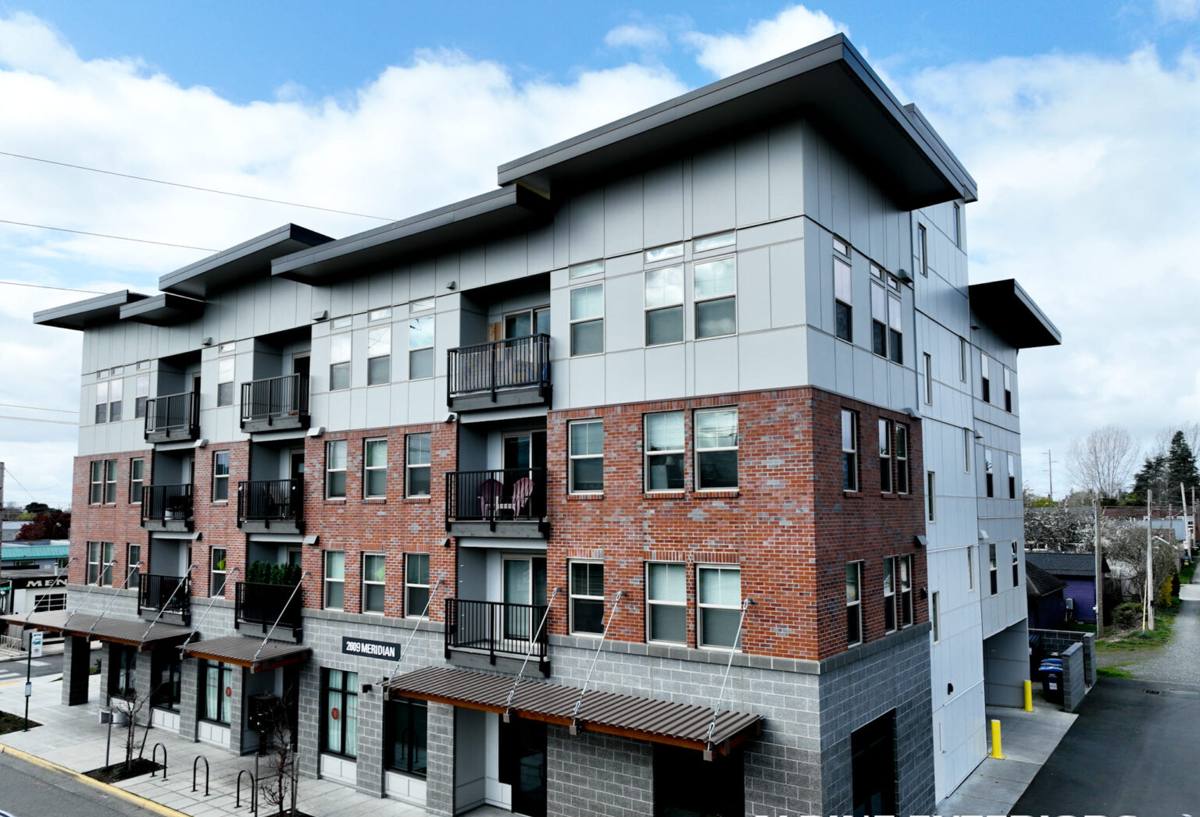
What a Correct Siding Installation Has to Do Here
"Correct" installation isn't about the siding panel looking good on day one — almost any product looks fine freshly installed. It's about whether the assembly behind that panel keeps water moving out and away from the wall for the next 30-plus years, in a location that gets more moisture exposure than most. A few things matter more in Cottonwood Beach than they would somewhere drier:
Water Management Comes First
Every horizontal joint, every window and door opening, and every penetration through the wall (vents, hose bibs, light fixtures) is a place water can get behind the siding if it's not flashed correctly. On a coastal lot, wind-driven rain doesn't just fall — it gets pushed sideways and upward under eaves and around corners. That means house wrap laps, flashing tape, and drip caps all have to be installed in the right sequence, not just present. A weather-resistive barrier that's installed backward or taped in the wrong order will still look fine at final walkthrough and still fail in five years.
Clearances and Gaps Matter More Near the Water
Manufacturer specs call for specific clearances between siding and grade, decks, roofing, and other transitions — usually a minimum of several inches — precisely so the bottom edge of the siding isn't sitting in standing water or wicking moisture from damp soil or moss-covered ground. In a wetter microclimate like Cottonwood Beach, cutting those clearances close isn't a small compromise; it's an invitation for the bottom courses to stay damp for days after every storm, which is exactly the condition moss and rot need.
Fasteners and Trim Have to Handle Salt Exposure
Standard fasteners that are perfectly adequate a few miles from the water can corrode faster near it. Correct installation means using fasteners and flashing metals rated for the exposure the home actually faces, not just what's typically stocked on the truck. The same goes for caulking and sealant products at trim joints — the wrong sealant chalks and cracks under UV and salt exposure faster than a rated one will.
Why We Install Only James Hardie Fiber Cement Siding
We don't install vinyl, LP SmartSide, Cemplank, Allura, primed spruce, or cedar. That's a standard we hold on every job, not just the ones on the water — but it matters even more on a lot like Cottonwood Beach.
Fiber cement doesn't rot, and it doesn't feed the moss and mildew that thrive in this climate the way wood-based products can once their factory coating is compromised. It's also non-combustible, which is worth something in a region where wildfire smoke and dry-season fire risk have become a normal part of Pacific Northwest summers. James Hardie backs its siding with a factory-applied ColorPlus finish that's baked on and warranted against fading and cracking — a real advantage in a location that gets both intense UV in summer and constant damp in winter, the two things that break down field-applied paint fastest.
James Hardie also builds region-specific product lines engineered for different climate zones, which lets us match the product to what a Whatcom County coastal lot actually needs rather than installing the same generic panel everywhere. Between the material's resistance to moisture and pests, the factory finish, and a strong transferable warranty, it's the product we're willing to put our name behind here. Other products may cost less up front or have their own strengths, but on a site with this much sustained moisture and salt exposure, we're not willing to install something that asks a homeowner to gamble on field-applied coatings or a material that softens when it stays wet.
Our Installation Process
The process doesn't change dramatically from house to house, but the details we pay closest attention to shift based on exposure, and a Cottonwood Beach home gets extra attention at the water-management stages.
- On-site assessment. We look at wall orientation relative to wind and water, existing moisture damage, moss growth patterns, and any trouble spots around windows, decks, and roof transitions before we quote anything.
- Tear-off and substrate check. Old siding comes off and we inspect the sheathing underneath for soft spots or hidden rot — common in older coastal homes where a failure went unnoticed for years.
- Weather-resistive barrier and flashing. House wrap, flashing tape, and metal flashing go in with proper shingle-lap sequencing so water is directed out, not in, at every joint and penetration.
- James Hardie installation to manufacturer spec. Correct fastener spacing, clearances, and joint treatment, following Hardie's published installation requirements rather than shortcuts that void the warranty.
- Trim, caulking, and final detailing. Corner boards, trim, and sealant joints are finished with products rated for coastal UV and salt exposure.
- Walkthrough. We go over the finished work with the homeowner, including what routine maintenance to expect in this specific location.
Signs Your Cottonwood Beach Home May Need New Siding
Coastal moisture and moss don't always show up as obvious damage right away. Watch for:
- Dark green or black staining that keeps returning shortly after cleaning, especially on north-facing or shaded walls
- Soft, spongy spots when you press on the siding, particularly near the bottom courses or under windows
- Paint or finish that's chalking, peeling, or fading unevenly across the wall
- Visible warping, buckling, or gaps opening up at seams and corners
- A musty smell inside near exterior walls, which can point to moisture getting behind the siding
- Rising heating bills that don't match your usage, often a sign the wall assembly is no longer doing its job
What Affects the Cost of Siding Installation Here
Every home is different, but these are the factors that most often move the price on a Cottonwood Beach job:
| Factor | Why It Matters |
|---|---|
| Tear-off vs. new construction | Removing and disposing of old siding, and repairing any hidden sheathing damage, adds time and labor compared to new-build installation |
| Home size and wall complexity | More corners, dormers, and trim detail mean more cuts, more flashing work, and more labor hours |
| Substrate condition | Rot or moisture damage found during tear-off, common on older coastal homes, requires repair before new siding can go on |
| Product line and profile | Panel, lap, and shingle-style James Hardie profiles differ in material and labor cost |
| Color and finish selection | Factory ColorPlus finishes are priced differently than primed-for-paint options |
| Site access | Waterfront lots with limited staging space or steep grades can add setup and logistics time |
Maintenance in a Salt Air and Moss Environment
Correctly installed James Hardie siding is low-maintenance, but "low-maintenance" doesn't mean "no maintenance" in a location like this. A yearly rinse to clear salt film and organic buildup, especially on shaded or north-facing walls, keeps moss from ever getting a real foothold. Keep an eye on caulk joints around trim and penetrations — sealant is usually the first thing to age out in a coastal climate, and catching a failed joint early is a lot cheaper than dealing with the water damage that follows a joint that failed unnoticed. Trim back vegetation that's shading the walls or holding moisture against them, and keep gutters clear so runoff isn't sheeting down the siding face during heavy rain.
Why Hiring a Crew That Already Works Cottonwood Beach Matters
Siding installation isn't uniform across Whatcom County, and a crew that mostly works drier, inland neighborhoods doesn't always carry the same instincts about flashing sequencing, clearance, and fastener choice that a waterfront job demands. A crew that already works Birch Bay and Cottonwood Beach has seen where coastal homes actually fail — which walls take the worst of the wind-driven rain, which details get skipped on lower-quality jobs and cause problems five years later, and what maintenance schedule actually holds up against this much salt and moss. That local pattern recognition is worth more than a generic installation checklist, because it shows up in the decisions made on-site, not just in the finished look.
If you're weighing a siding replacement or noticing early signs of trouble on a Cottonwood Beach home, we're happy to take a look and walk you through what we're seeing, what it would take to fix it right, and what it would cost — with a free, no-pressure estimate and no obligation to move forward.