 Birch Bay Siding
 Windows Built for the California Creek Climate
Homes along California Creek and the surrounding Birch Bay shoreline take a different kind of weather beating than houses even a few miles inland. The combination of salt-laden air off the bay, wind-driven rain that hits window openings sideways instead of straight down, and a wet, mossy stretch that can run from October through May puts real stress on windows year after year. A window that would perform fine in a drier, more sheltered part of Whatcom County can fail early here — not because the glass is bad, but because the installation and materials weren't matched to this specific exposure.
Energy-efficient windows done right in this neighborhood aren't just about lower heating bills, though that matters. They're about keeping water out of the wall cavity, keeping salt air from eating away at hardware and seals, and keeping the frame doing its job for twenty-plus years instead of five or ten. That's the standard we hold every California Creek window job to.
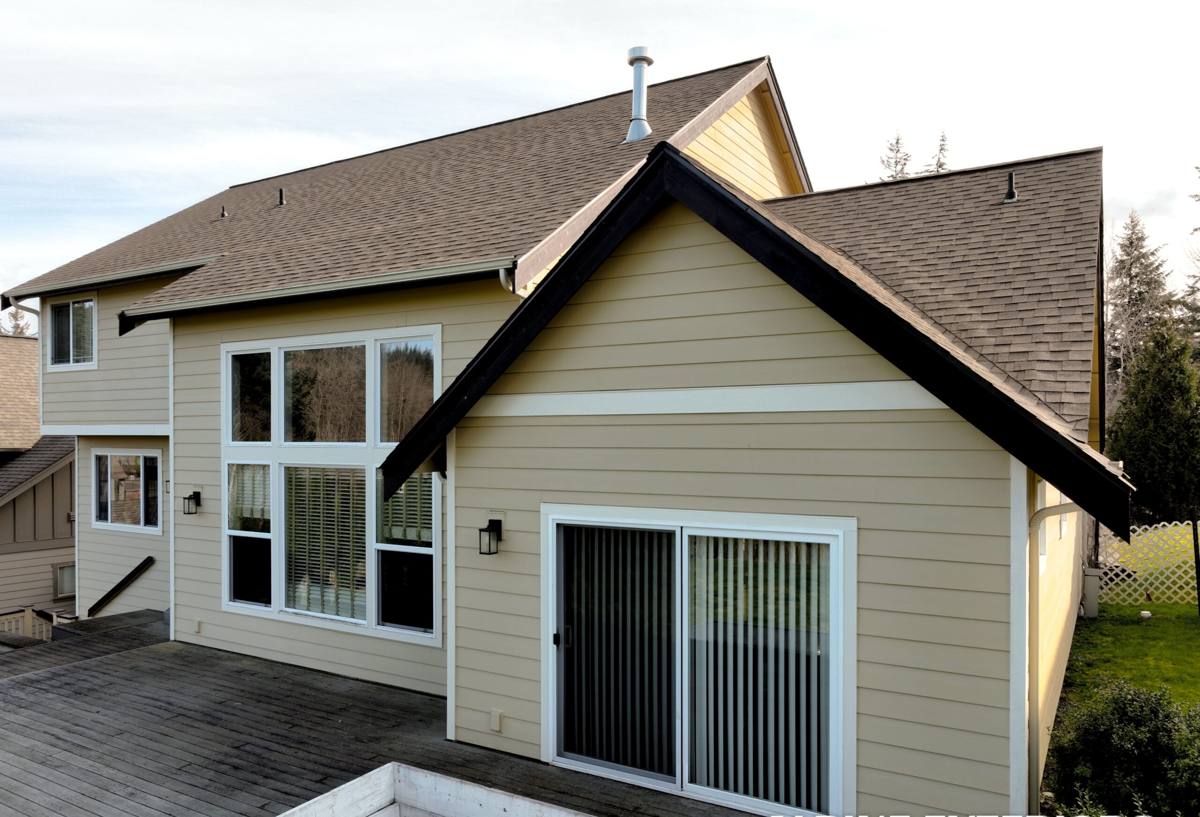
What Salt Air, Driving Rain, and Moss Season Actually Do to Windows
Salt Air and Hardware Corrosion
Coastal salt spray settles on everything, including window frames, locks, hinges, and screen hardware. Over time it accelerates corrosion on lower-grade metal components and can pit or dull finishes on aluminum and vinyl trim pieces. Windows with marine-grade or corrosion-resistant hardware, and frames finished to handle coastal exposure, simply hold up longer this close to the water.
Driving Rain and Water Intrusion
Birch Bay's storms often come with wind, which pushes rain sideways into window openings instead of letting it run straight down the siding. If flashing, sill pans, and sealant details aren't installed correctly, that wind-driven rain finds its way behind the trim and into the wall framing. This is almost always a slow, hidden problem — you don't see it until there's staining, soft trim, or a musty smell showing up well after the window itself was installed.
Moss Season and Trim Rot
A long, damp season means wood trim, sills, and any exposed fastener stays wet for extended stretches. Moss and algae growth on and around window trim hold moisture against the surface even longer. Windows with properly sealed, low-maintenance trim details and correctly pitched sills shed water instead of holding it, which keeps rot and moss from getting a foothold in the first place.
What a Correct Window Installation Involves Here
The window unit itself is only part of the job. In a climate like this, the installation details matter as much as the product:
- A properly sloped sill pan that directs any water that gets past the window back outside, not into the wall
- Correctly lapped flashing tape and house wrap integration so water sheds downward and outward, shingle-style
- Backer rod and high-quality sealant at the perimeter, matched to the substrate and rated for exterior UV and moisture exposure
- Shimming and squaring the unit so weatherstripping seals evenly — an out-of-square window will leak air and water no matter how good the glass package is
- Insulating the gap between the window frame and rough opening without overpacking it, which can bow the frame and cause sealing problems
Skip or rush any one of these steps and you can end up with a window that looks fine and tests fine on day one, but starts letting water or air in within a couple of storm seasons. This is why we treat installation technique as equally important to the window brand or glass package a homeowner chooses.
Choosing the Right Window for a Coastal, High-Moisture Home
There's no single "best" window for every house — it depends on the home's exposure, existing frame condition, and budget. For California Creek homes, we generally steer the conversation toward materials and glass packages that hold up to salt air and sustained moisture without high maintenance demands.
| Frame Material | Coastal Performance | Maintenance |
|---|---|---|
| Vinyl | Good resistance to salt corrosion and moisture; won't rot | Low — occasional cleaning, no painting |
| Fiberglass | Excellent dimensional stability and corrosion resistance; handles temperature swings well | Low — very stable finish, minimal upkeep |
| Wood-clad | Good if cladding is fully intact; exposed wood or damaged cladding is vulnerable to this climate | Higher — cladding seams and any exposed wood need monitoring |
| Aluminum | Prone to corrosion and thermal transfer in salt air unless marine-rated | Moderate to high — hardware and finish need attention |
Glass package matters too. Double-pane, low-E glass with argon fill is the practical baseline for energy efficiency in this climate. Triple-pane can make sense on north- and west-facing walls that take the brunt of wind and weather, though it adds cost and weight that isn't always necessary on more sheltered elevations of the same house.
Energy Efficiency Ratings Worth Understanding
Two numbers matter most for a coastal Whatcom County home: the U-factor, which measures how well the window resists heat loss (lower is better), and the air infiltration rating, which measures how much air leaks through the assembly (also lower is better). In a wind-exposed area like this, air infiltration performance is just as important as insulation value — a window can have great glass and still perform poorly if it leaks air around the sash.
Our Process for California Creek Window Projects
1. On-Site Assessment
We look at each window opening individually — sun exposure, wind exposure, current frame condition, and any signs of past water intrusion around the trim or interior sill. Homes near the creek and closer to open water often need different attention on their windward sides than on more sheltered elevations of the same house.
2. Product and Glass Selection
We walk through frame material, glass package, and hardware options based on that assessment and the homeowner's budget, rather than pushing a single product line for every job.
3. Removal and Opening Inspection
Once the old window comes out, we check the rough opening for hidden rot or water damage before anything new goes in. Catching a compromised sill or framing member here saves a much bigger repair down the road.
4. Flashing, Sealing, and Setting the Unit
This is where the installation details above come into play — sill pan, flashing, shimming, sealant, and insulation, done in the right order.
5. Interior and Exterior Finish Work
Trim is reinstalled or replaced, caulked, and finished to shed water. We clean up thoroughly and walk the homeowner through operation and any care recommendations specific to their new windows.
Why a Crew That Already Works California Creek Makes a Difference
A contractor who works this stretch of Whatcom County regularly already knows which elevations on a typical California Creek home take the worst of the wind-driven rain, how fast moss builds back up on north-facing trim, and which installation shortcuts fail first in salt air. That local pattern recognition shows up in better product recommendations and fewer callbacks — not because the work is more complicated here, but because getting it right requires understanding the specific conditions the window will face for the next two or three decades.
It also means straightforward answers about realistic maintenance and lifespan for this exposure, rather than generic promises that don't account for a home three hundred yards from saltwater.
Signs Your Current Windows Are Losing the Battle
- Visible condensation or fogging between the panes (a sign the seal has failed)
- Drafts you can feel near the frame on a windy day
- Wood trim that's soft, discolored, or growing moss despite regular cleaning
- Hardware that's corroded, sticky, or difficult to lock and unlock
- Noticeably higher heating bills compared to similarly sized homes nearby
- Paint or finish peeling around the window frame, often a sign moisture is getting underneath
Cost Factors Worth Understanding Before You Budget
Window project costs vary by opening size, frame material, glass package, and how much of the surrounding trim or siding needs to be opened up and repaired. A straightforward retrofit into a sound existing opening costs less than a full-frame replacement where rot or water damage has to be addressed first. We provide a detailed, itemized estimate after the on-site assessment so there are no surprises once work starts — broad ballpark ranges without seeing the actual openings aren't useful to anyone.
Maintaining Your Investment Through Moss Season
Even the best-installed window benefits from a little seasonal attention in this climate. Rinsing salt residue off frames and glass periodically, keeping weep holes and drainage tracks clear of moss and debris, and checking exterior caulk lines once a year for cracking all go a long way toward getting the full expected lifespan out of new windows. We're happy to walk homeowners through a simple maintenance routine specific to their home's exposure when a project wraps up.
If your California Creek home has drafty, foggy, or aging windows, we'd be glad to take a look and put together a free, no-pressure estimate — just fill out the form below to get started.