 Birch Bay Siding
 Bellingham Roofs Deal With More Than Just Rain
Bellingham sits close enough to the water, and gets enough overcast, drizzly weather for most of the year, that its roofs age differently than roofs inland. It isn't one big storm that causes most of the damage we see — it's the slow, steady combination of salt-laden air off the Strait, near-constant fall and winter rain, and a moss season that can run eight months or longer in shaded, north-facing sections of a roof. Add in the wind that comes through the Whatcom County lowlands and you get a roof that's working hard almost year-round, even on days when nothing looks obviously wrong from the ground.
That's the backdrop for every roof repair call we take in this area. We're not chasing dramatic storm damage most of the time — we're finding the accumulated effects of moisture, biological growth, and material fatigue that build up quietly until a leak finally shows up inside the house.
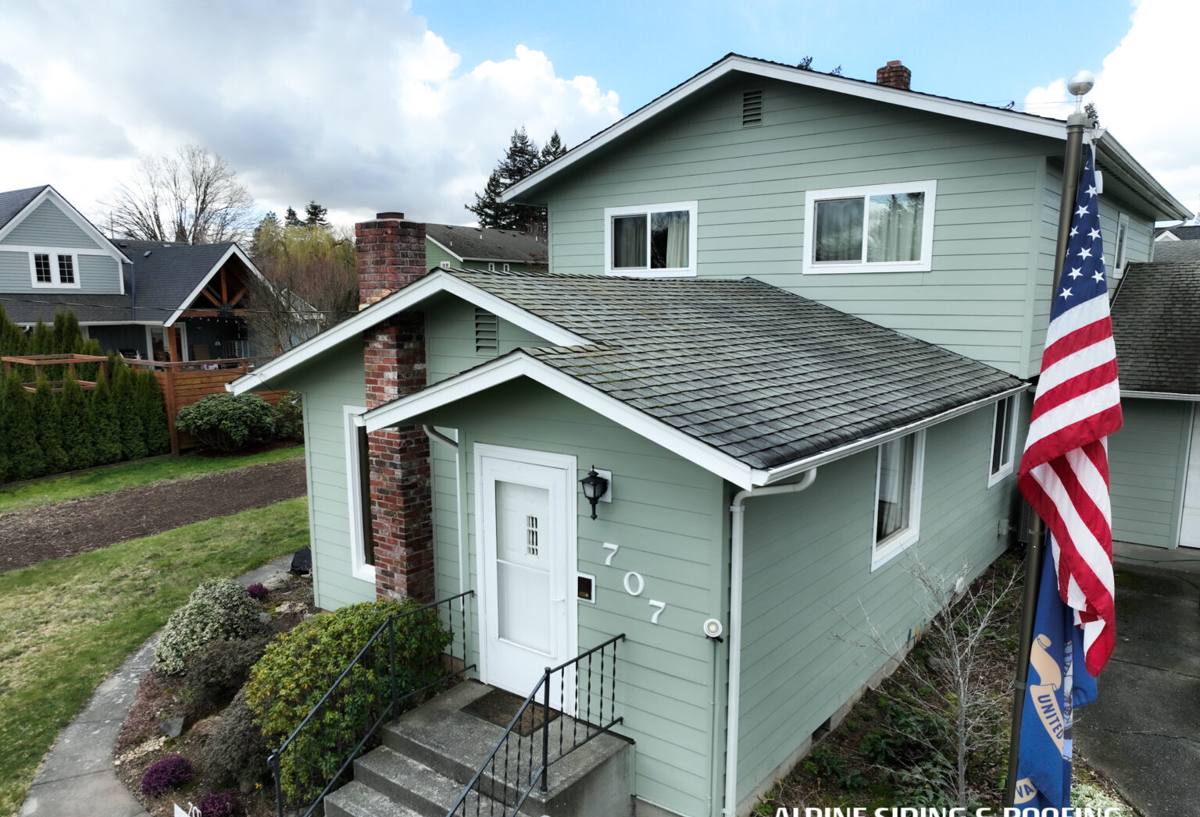
Signs a Bellingham Roof Needs Repair — Not a Full Replacement
Not every roof problem means a new roof. A lot of the calls we get from Bellingham homeowners turn out to be legitimate, contained repairs once we're actually up there looking closely. Common signs worth having checked out:
- Granule buildup in gutters or at downspout outlets, which points to shingle wear in specific areas rather than the whole roof
- Dark streaking or thick moss growth concentrated on north- or shade-facing slopes
- Soft spots, discoloration, or a musty smell in the attic near a valley, chimney, or vent penetration
- Curling, cracked, or missing shingles clustered around one section rather than spread evenly
- Rusted or separated flashing at chimneys, skylights, and sidewalls
- Water stains on interior ceilings that appear only during heavy or wind-driven rain
The honest answer, more often than not, is that a targeted repair addressing the actual failure point — a flashing detail, a valley, a section of underlayment — solves the problem for a fraction of the cost of replacement, as long as the rest of the roof still has useful life left in it.
What a Correct Roof Repair Actually Involves
A repair that actually holds up through another Whatcom County winter is more than patching the spot where water showed up inside. Water travels before it drips, so the visible stain on a ceiling is rarely directly above the entry point. A correct repair means:
Finding the real source
This usually means getting on the roof, not just looking at the ceiling. We trace water paths along rafters and sheathing, check flashing details, and look at the condition of the underlayment in the affected area before deciding what needs to come apart.
Matching materials and technique to what's already there
Repairs need to tie into the existing roofing system correctly — proper shingle weaving, correctly lapped flashing, compatible underlayment — so the fix doesn't just move the leak somewhere else or create a new weak point at the seam between old and new material.
Addressing the cause, not just the symptom
If moss bridging has lifted shingle edges, or a clogged valley has been forcing water sideways under the roofing, the repair has to deal with that root cause. Otherwise the same failure shows up again in a season or two.
Moss and the Long Wet Season
Moss is probably the single biggest quality-of-life issue for roofs in this part of Washington, and it's worth understanding rather than ignoring. Moss itself doesn't punch holes in a roof, but it does real damage over time:
How moss causes damage
Moss holds moisture against the roofing surface far longer than the surface would otherwise stay wet. On asphalt shingles, that constant dampness accelerates granule loss and can lift shingle edges as the moss grows underneath them, creating small gaps where wind-driven rain gets a foothold. On wood shakes, moss retention promotes rot in the wood itself.
What actually helps
Physical removal (not pressure washing, which can drive granules loose and force water under shingles) combined with zinc or copper strips near the ridge lets rain naturally carry moss-inhibiting minerals down the roof over time. Keeping nearby tree limbs trimmed back reduces the shade and debris that let moss get established in the first place. None of this is a one-time fix — it's maintenance that needs to happen on a schedule given how long the wet season runs here.
Roofing Materials Common in the Area
What a repair should look like depends a lot on what's already on the roof. Bellingham and the surrounding Whatcom County communities have a real mix of ages and materials, from older wood shake roofs to more recent composition shingle and standing-seam metal.
| Material | Moss/moisture behavior | Repair considerations |
|---|---|---|
| Asphalt composition shingle | Moderate moss risk; granule loss accelerates once moss takes hold | Most repairable material; individual shingles can be replaced cleanly if matched to existing color and age |
| Wood shake/shingle | Higher moisture retention; prone to rot under sustained moss growth | Repairs require careful matching of exposure and weathering; rotted sections often need wider replacement than they first appear |
| Standing-seam metal | Sheds moisture fast; least moss-prone | Leaks usually trace to fastener or flashing failure rather than the panels themselves; repairs are precise but less frequent |
| Composition/architectural laminate | Similar to standard asphalt, somewhat more wind-resistant | Comparable repair approach to standard shingle, with attention to matching laminate profile |
None of these materials is wrong for this climate — each comes with a different maintenance rhythm and a different repair profile. We'll tell you honestly which category your roof falls into and what that means for upkeep, rather than pushing a material switch you don't need.
Our Repair Process
1. Inspection and honest diagnosis
We get on the roof (not just a ladder-and-binoculars look from the yard) and check the attic side too when it's accessible. We're looking for the actual cause, and we'll tell you plainly if what you're dealing with is a contained repair or something bigger.
2. A clear, written estimate
You get a scope of work and a price before anything happens — what's being replaced, what materials we're using, and why. No pressure to upgrade to a full roof if a repair is the honest answer.
3. The repair itself
We remove and replace only what's actually compromised, tie new material into the existing roof correctly, and check surrounding areas while we're up there so a second trip isn't needed for something we could have caught the first time.
4. Cleanup and a final check
Old material, nails, and debris get cleared from the roof, gutters, and ground. We do a final walk-through of the repaired area so you know exactly what was done.
What Affects the Cost of a Roof Repair
We won't quote a number without seeing the roof — repair costs genuinely vary based on what's found once we're up there. But the main factors that drive cost, in rough order of impact, are:
| Factor | Why it matters |
|---|---|
| Roof pitch and access | Steep or hard-to-access roofs take longer and require more safety setup |
| Extent of hidden damage | Rotted sheathing or saturated underlayment found once shingles come off adds material and labor |
| Material match | Matching older shingle colors or discontinued shake profiles can take more time to source |
| Number of penetrations involved | Chimneys, skylights, and multiple vents each need their own flashing work |
| Moss/debris removal needed first | Heavy moss buildup has to be cleared before the actual repair can be assessed accurately |
Simple, contained repairs — a section of flashing, a handful of shingles, a resealed vent boot — are typically a modest, one-visit job. Repairs involving rotted decking or wide moss damage take longer and cost more, which is exactly why an accurate on-roof inspection matters before anyone commits to a number.
Why a Crew That Already Works Bellingham Matters
Roofing crews who work Whatcom County regularly develop a working sense of which failure patterns show up on which types of homes and roof orientations in this specific climate — where moss tends to establish first, which flashing details struggle most with wind-driven rain off the water, and how salt air affects fastener and metal component life over time. That's not something you get from a general contractor who occasionally covers this region alongside a much larger territory.
It also matters for something more practical: availability during the wet months. When the fall rains hit and everyone's roof problems surface at once, a crew already established in Birch Bay and the surrounding area can typically respond faster than one dispatching a truck in from further away.
A Practical Roof Checklist for Homeowners
Between professional inspections, there's a lot a homeowner can reasonably check without getting on the roof:
- Look at gutters and downspouts after a rain for granule buildup or standing debris
- Check the attic (if accessible) for daylight, damp insulation, or musty odor after heavy storms
- Scan roof slopes from the ground for visible moss patches, especially on shaded sides
- Note any interior ceiling stains and when they appear — during wind-driven rain versus steady rain can point to different causes
- Trim back tree limbs that shade roof sections or drop debris into valleys
- Schedule a roof check before the wet season ramps up each fall, not after a leak already shows up inside
Catching small issues on this schedule is almost always cheaper and less disruptive than waiting for a leak to force the issue.
If you're seeing any of these signs, or it's just been a while since your roof was actually looked at up close, we're happy to come take a look. The estimate is free, there's no pressure attached to it, and you'll get a straight answer about whether you're looking at a simple repair or something more — just fill out the form below to get started.